
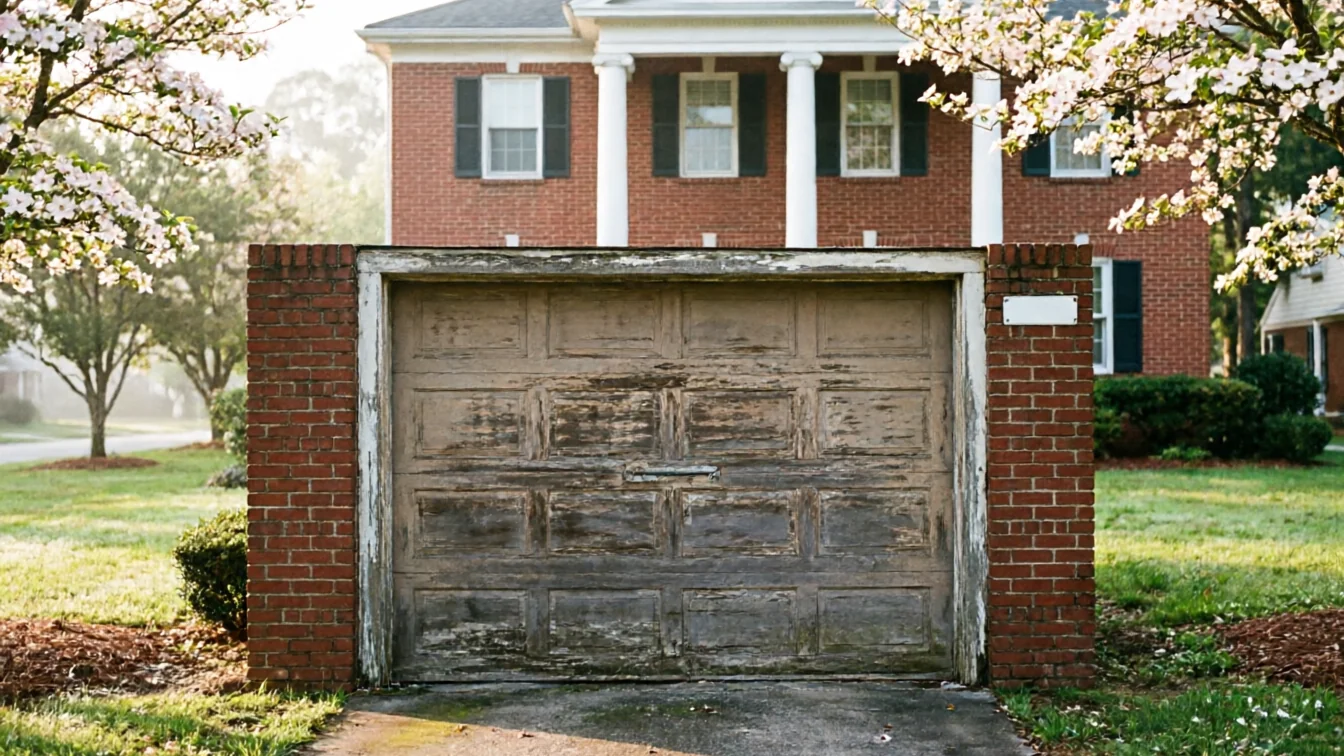
 Is Your Dallas Garage Door Worth Repairing, or Time for Something New
Most Dallas garage doors date to the 1980s-90s boom.
Garage Door Help for Dallas, GA's 1980s and 90s Subdivisions
Garage door repair and opener work built around Dallas, GA's 1970-2004 housing stock, cold-moderate winters, and the builder-grade hardware still running in most driveways here.
Local detail
What Local Conditions Do
Most houses in this service area went up between 1970 and 2004, with the bulk of the stock dating to the 1980s and 90s. That matters because the garage door and opener in most of these houses are either original or a straight swap-in replacement that never accounted for the hardware underneath. Builders in that window used a handful of standard torsion spring sizes and lightweight steel panel doors, paired with chain-drive openers that were basic even when new.
That's a cold-moderate climate band, which means winter nights cold enough to stiffen steel but not so brutal that frost-rated hardware is standard here. Cold steel doesn't flex the way warm steel does. A torsion spring that's been doing its job fine since September can bind, squeal, or snap outright on the first hard cold snap of the year. The same goes for nylon rollers in older housing stock - they get brittle, not just worn.
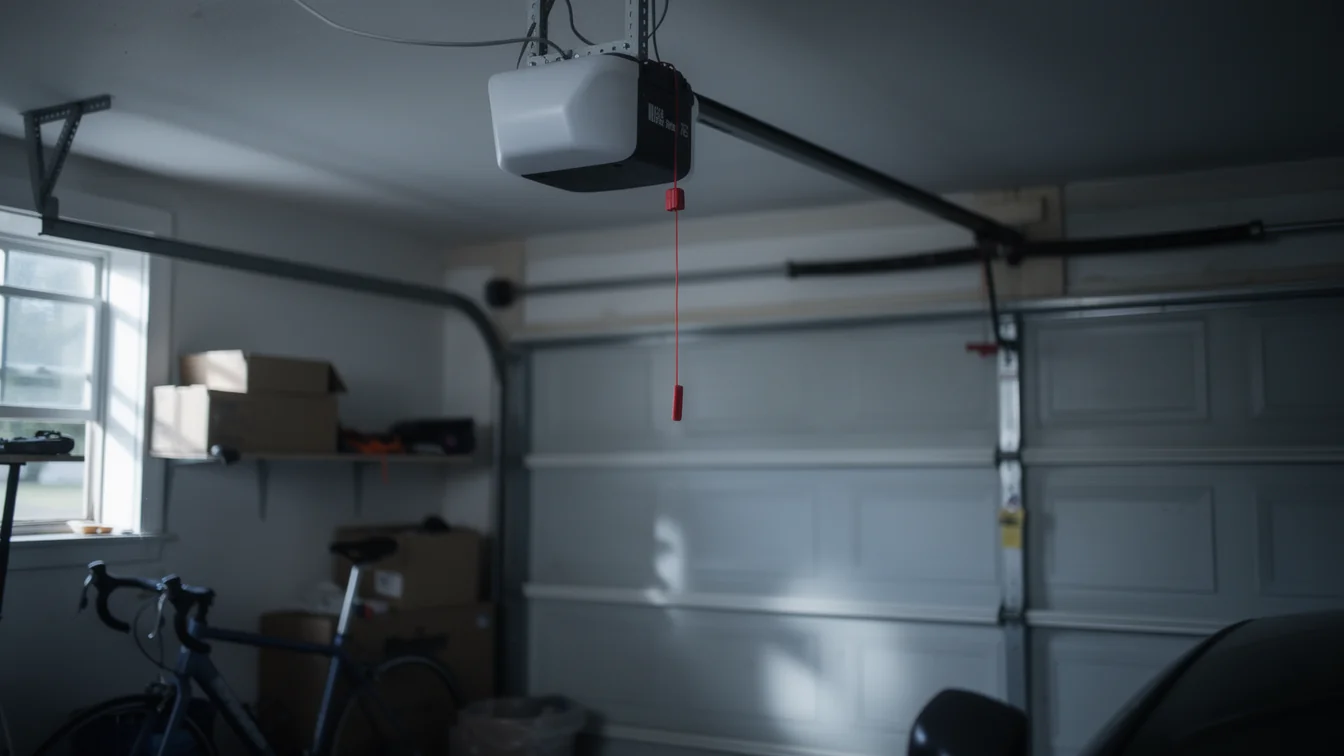
Openers and power cuts go together in this climate band too. When a cold front knocks the power out for a few hours, a builder-grade opener with no battery backup leaves the door wherever it stopped. That's a bigger deal in a house built in 1988 with a single-car or tandem garage than people expect.
The area
The Problem
The doors and openers going into subdivisions here in the 1980s and 90s were built to a price point, not a lifespan. Thirty to fifty years on, the steel tracks on a lot of these doors have rusted at the mounting brackets, and the torsion springs were sized for the original lightweight panel door - not whatever heavier insulated replacement a prior owner may have put in without rebalancing the spring.
Across the 13,867 households we could reach from here, 6,909 are owner-occupied houses - the single-family stock this page is about. A good share of those are sitting on hardware that's never been inspected since the house changed hands. The opener itself is often the weak link: chain-drive units from that era have no battery backup, so a power cut during a storm leaves the door stuck, locked out, or half-raised.
We don't rebuild every spring system we see. If the track is rusted through at the bottom brackets or the door panels themselves are delaminating, a repair is throwing money at a door that's done. That's the honest call more often than people expect on houses from this build era.
What we find
The Common Mistake
The mistake we see most is a straight opener swap without touching the spring. Someone's chain-drive opener from the 1980s dies, they buy a new belt-drive unit online, bolt it in, and the door still doesn't run right - because the torsion spring underneath was never matched to the door's actual weight. A new opener motor fighting an old, mis-tensioned spring burns out faster and strains the same way the old one did.
The second mistake is using generic universal rollers or cables bought off a shelf without checking they match the track width and drum size that was standard in builder installs from this era. It's close enough to work for a few months, then it isn't.
With a median household income of $76,424, most owners here can afford a full torsion spring and opener upgrade rather than patchwork repair. That's worth knowing before sinking money into a single component swap that ignores everything else on the same door.
How we work
Season by Season
Winter is when the cold-moderate swings show up hardest on 1980s and 90s doors. Steel springs lose flex in a hard cold snap, and a door that was fine in November can bind or snap by January. Weatherstripping on original builder doors dries out and cracks in the same cold, letting drafts and debris in at the bottom seal.
Spring and fall bring the bigger day-to-night temperature swings typical of this climate band, which is when loose fasteners and worn rollers make the most noise - metal expanding and contracting on hardware that's thirty-plus years old shows it fastest at the joints.
Summer humidity is easier on the steel itself but harder on openers that sit in an unconditioned garage - heat and dust shorten the life of the motor and the logic board faster in a garage attached to a house built before modern garage ventilation codes were common. None of this is dramatic weather. It's steady wear on hardware that was never built to run this long, in a climate band that cycles enough to find every weak point.
Questions
Common questions
Why does my garage door spring keep failing in the winter?
Steel springs lose some flex in cold weather, and in this climate band that cold hits hardest right when a spring near the end of its life is already struggling. If your house dates to the 1980s or 90s, as most in this area do, the original spring sizing may never have been updated for a heavier replacement door, which speeds up the failure.
Does my opener need a battery backup?
If your opener dates from the original build era, it almost certainly doesn't have one. Openers and power cuts don't mix well here - a cold-front power outage with no backup leaves the door stuck wherever it was. It's worth asking about when you're already replacing a failing opener.
Is it worth repairing an original 1980s garage door?
Sometimes. If the track and panels are sound and it's just a spring or roller issue, repair makes sense. If the bottom brackets are rusted through or panels are delaminating, you're paying to patch a door that's past its service life - full replacement is the better call at that point.
Recommendation
You Might Also Like
More garage door guides for Dallas homeowners.
Is Your Dallas Garage Door Worth Repairing, or Time for Something New
Most Dallas garage doors date to the 1980s-90s boom.
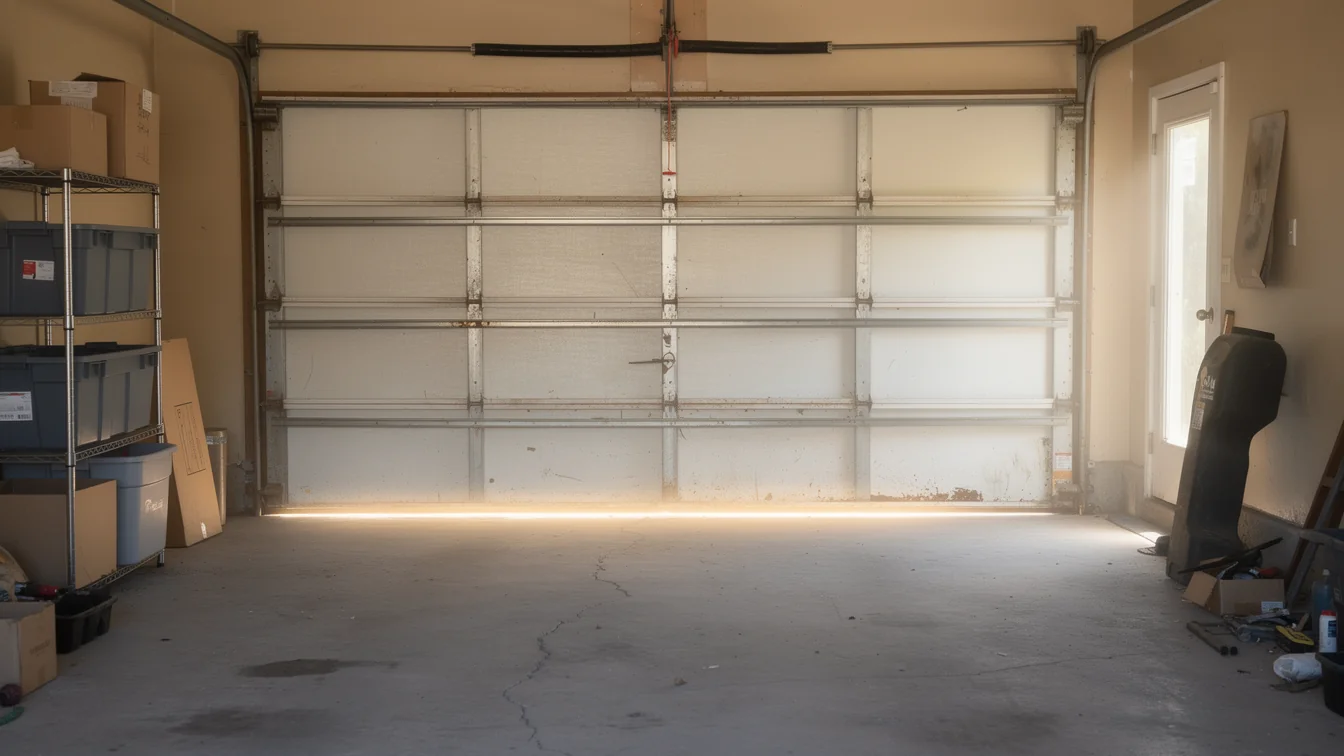 What Your Garage Door Deals With in Dallas
Most Dallas homes date 1970-2004, with an 80s-90s cluster across seven areas.
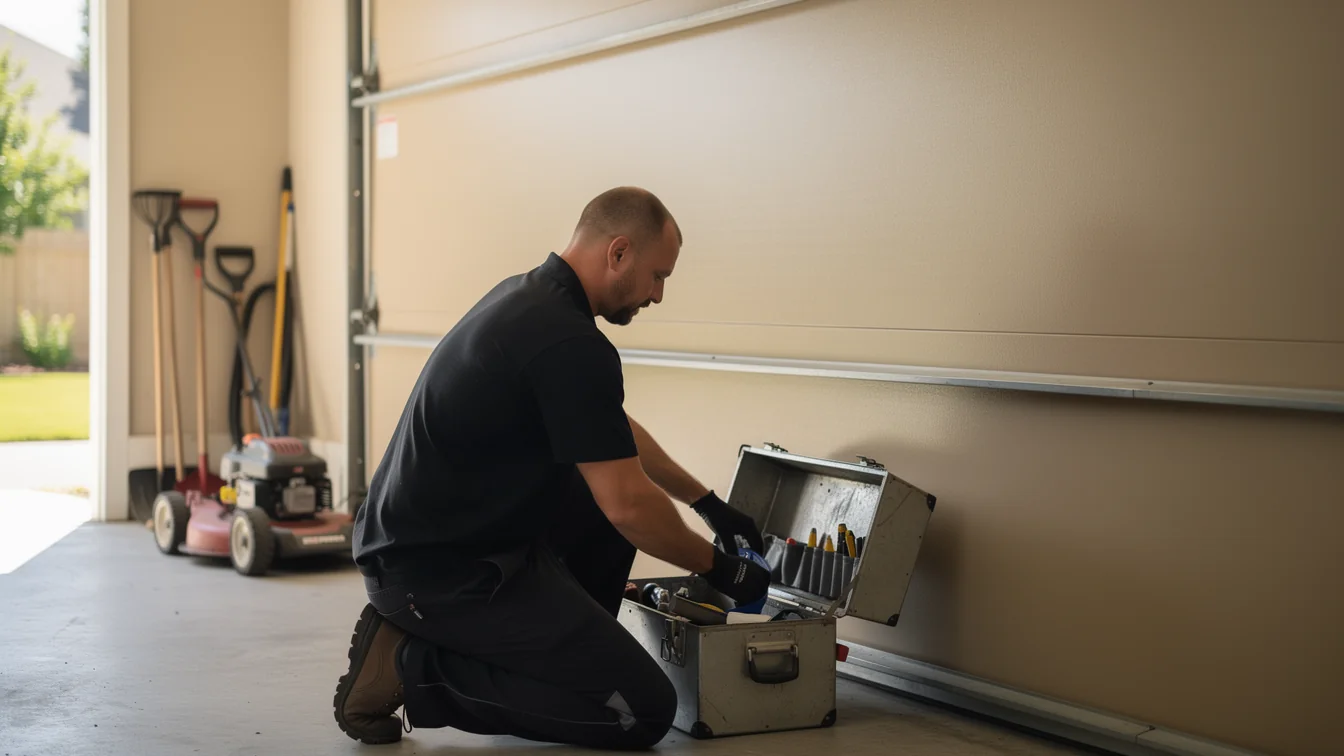 A Real Look at Garage Door Service Calls in Dallas, GA
Dallas, GA homes built mostly in the 1980s and 90s face cold-climate wear on torsion springs and openers - here's what a service call actually checks.
Ready when you are
Need a garage door sorted in Dallas?
Dallas Door Pros repairs and installs garage doors, springs and openers in Dallas, GA and the surrounding area.