What You Are Seeing
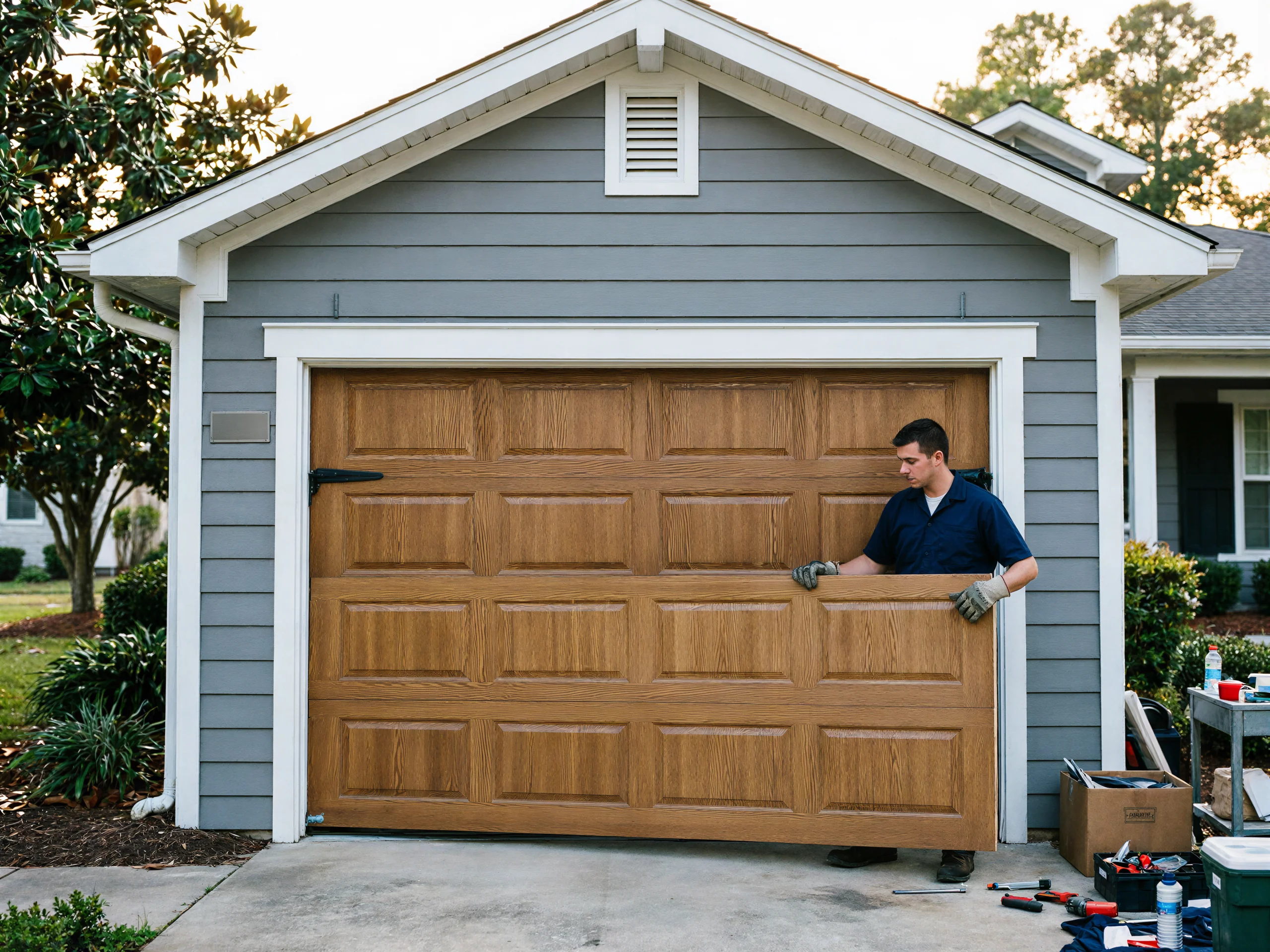
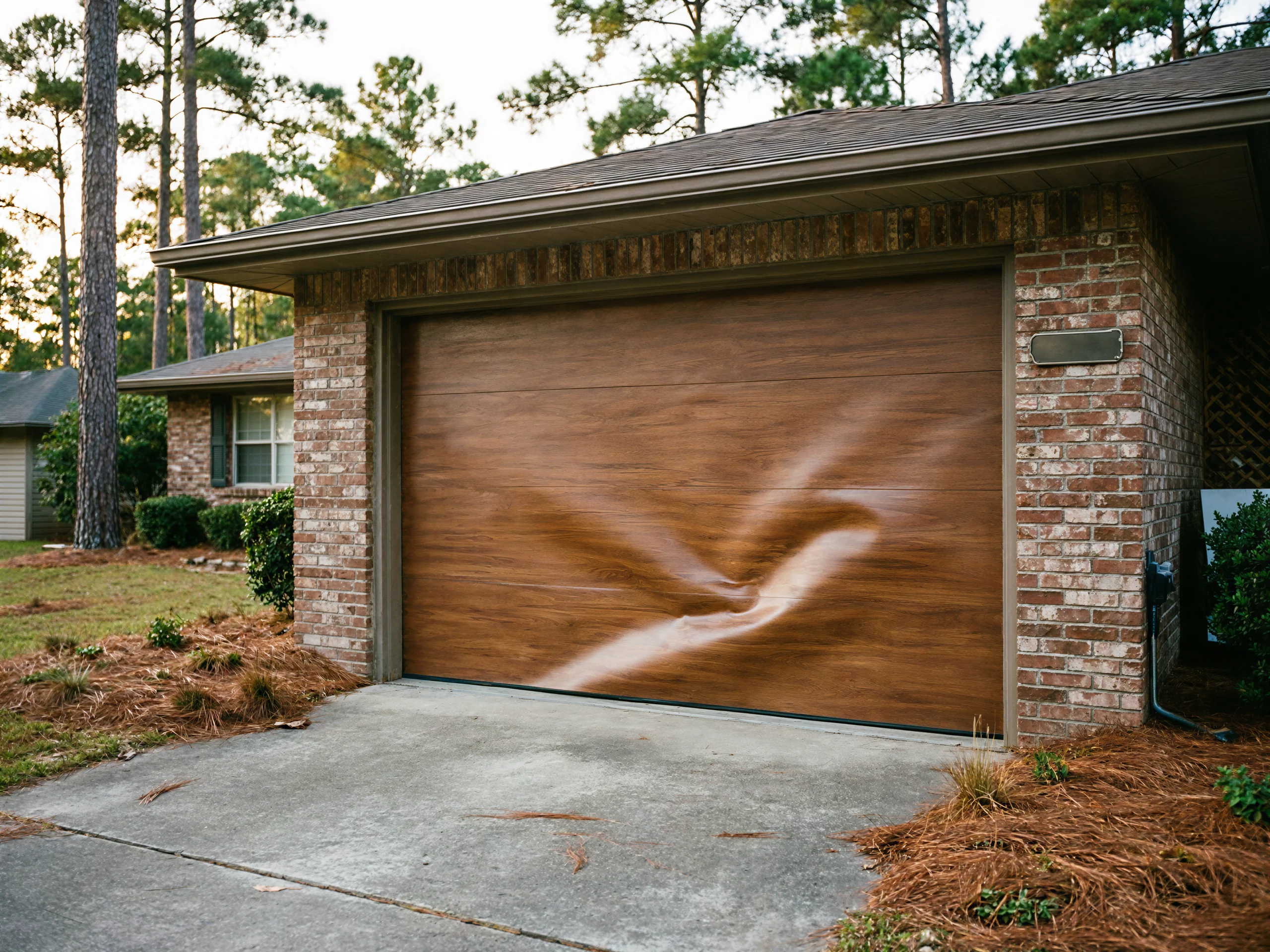
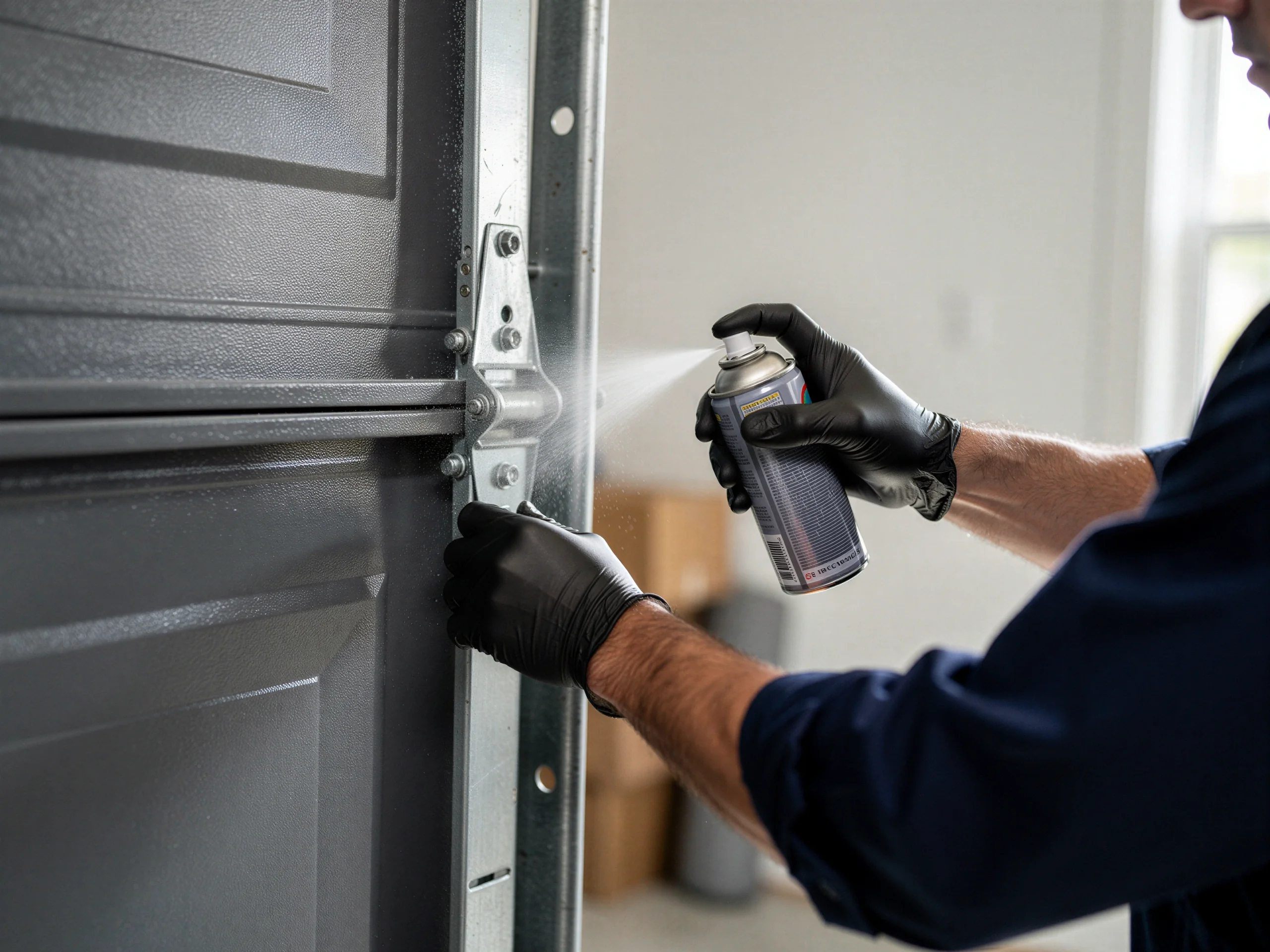
A door that's off track usually shows itself one of a few ways: it hangs crooked in the opening, one side sits lower than the other, a roller has popped clean out of the track, or the door stopped moving mid-cycle with a grinding sound.
Bent or pulled track
Sometimes you'll see the track itself bent or pulled away from the wall bracket. None of this is cosmetic - a door hanging unevenly is putting weight on hardware that wasn't built to carry it that way, and every cycle after that makes the bend worse.
Cable, roller, bracket causes
Most of the time the cable on one side has slipped off its drum, or a roller has worn down and jumped the rail, or a bottom bracket came loose from the panel. Less often, the whole track has separated from the frame because a lag bolt pulled out of old wood.
Area housing scale
We see all of these across the service area - 13,867 households and roughly 6,909 owner-occupied houses between Dallas and the surrounding towns, and a good share of those doors are original hardware on houses built well before anyone thought to upgrade a track bracket. If your door moves at all when it shouldn't, don't force it with the opener. Running a motor against a jammed or bent track is how a $150 roller job turns into a $600 track-and-cable job.
How We Fix It
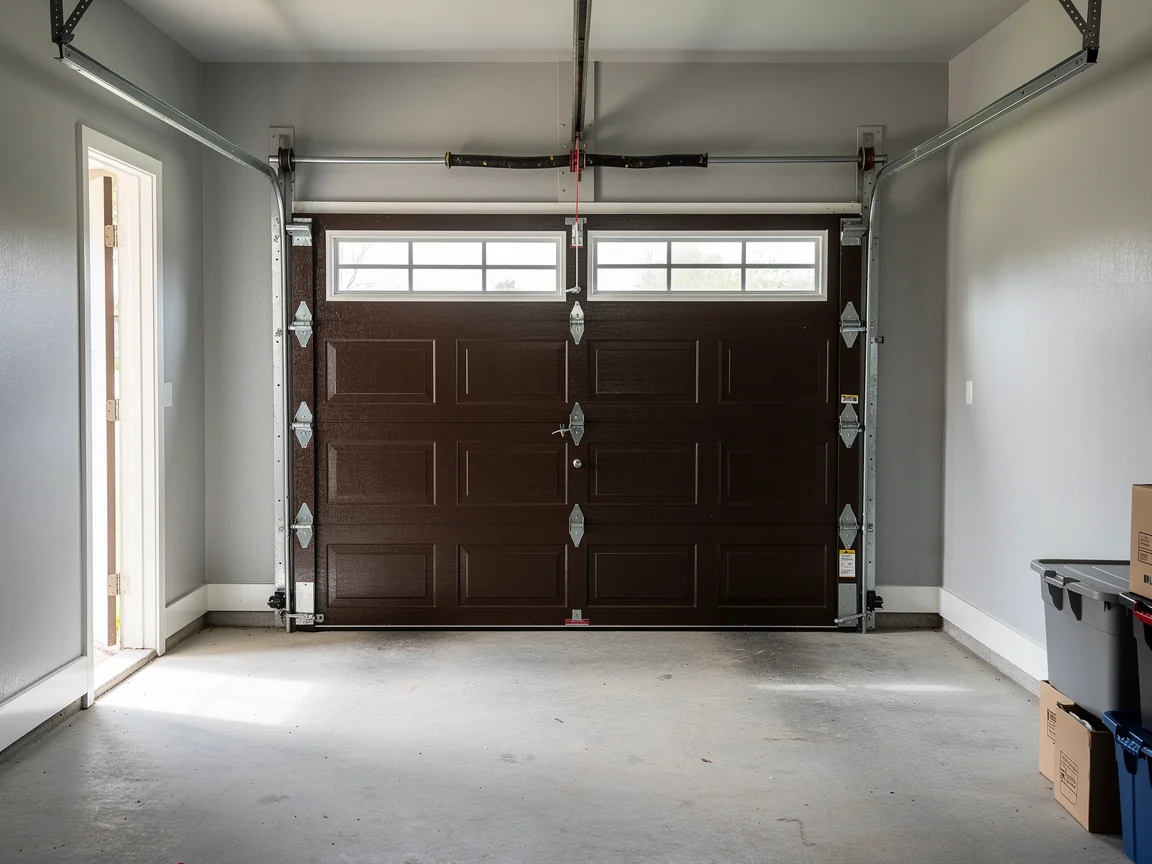
First we take the door off the opener entirely - if it's off track, the opener isn't the problem and shouldn't be doing the work while we sort it out.
Ordered diagnostic checklist
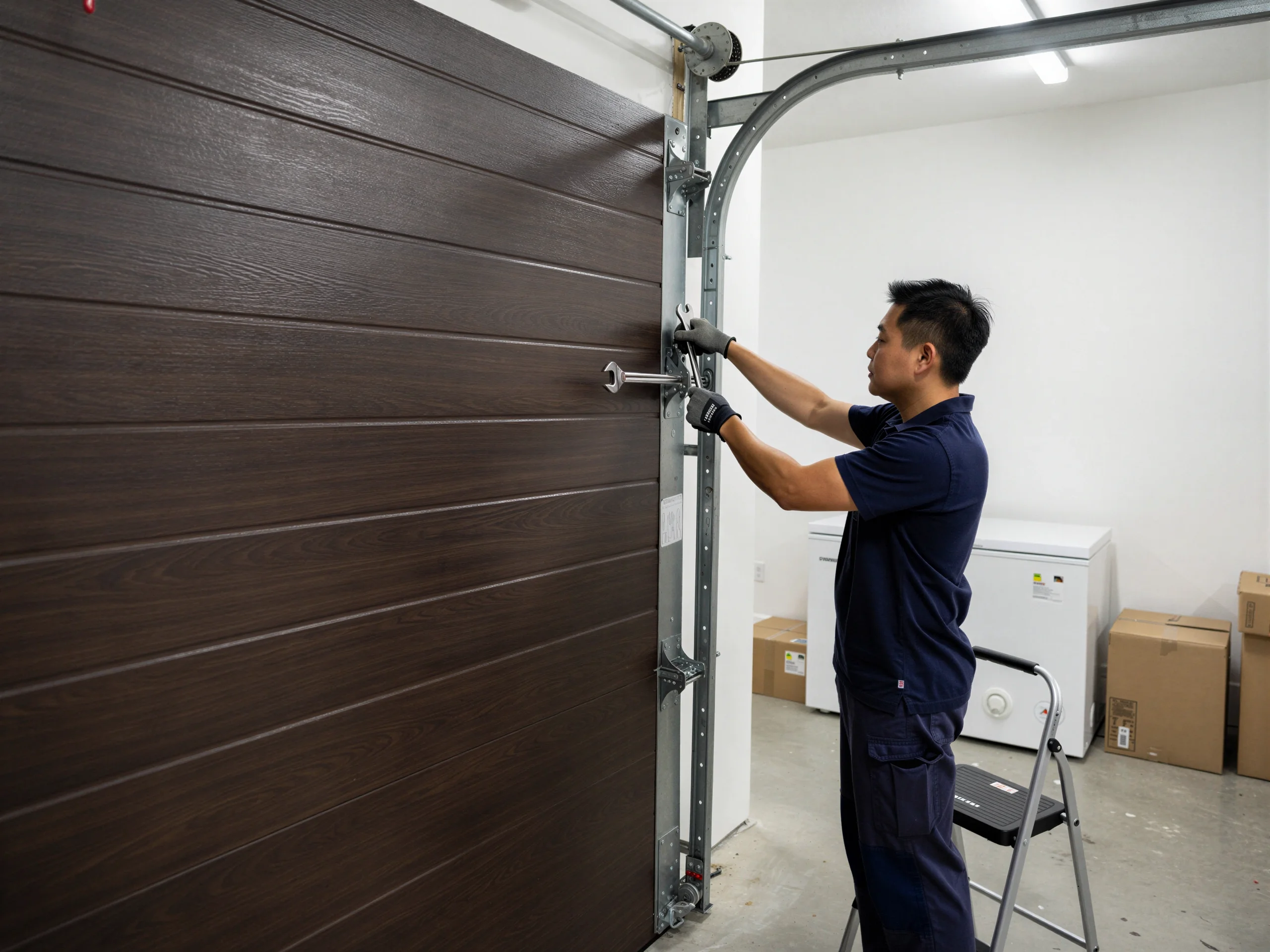
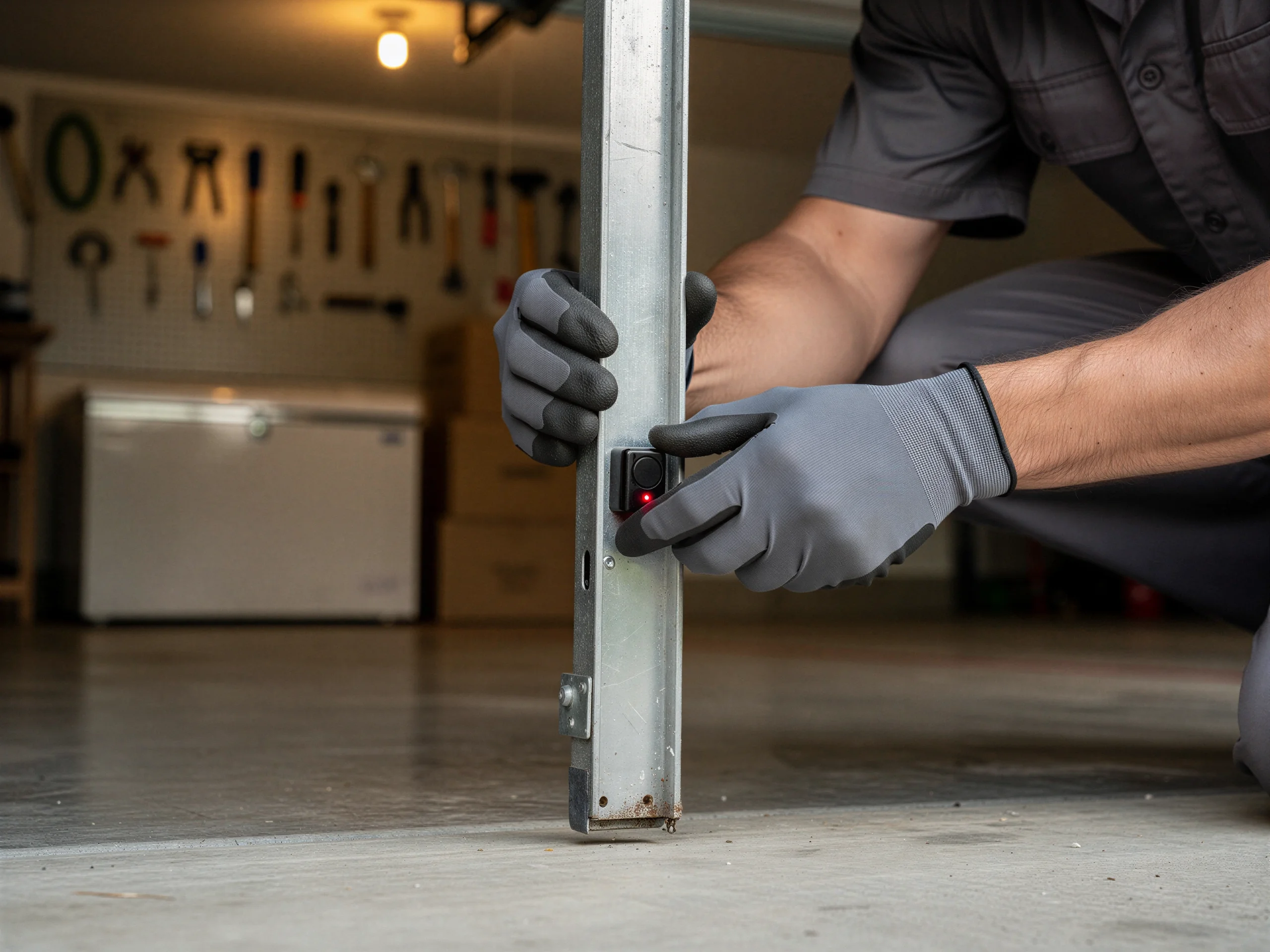
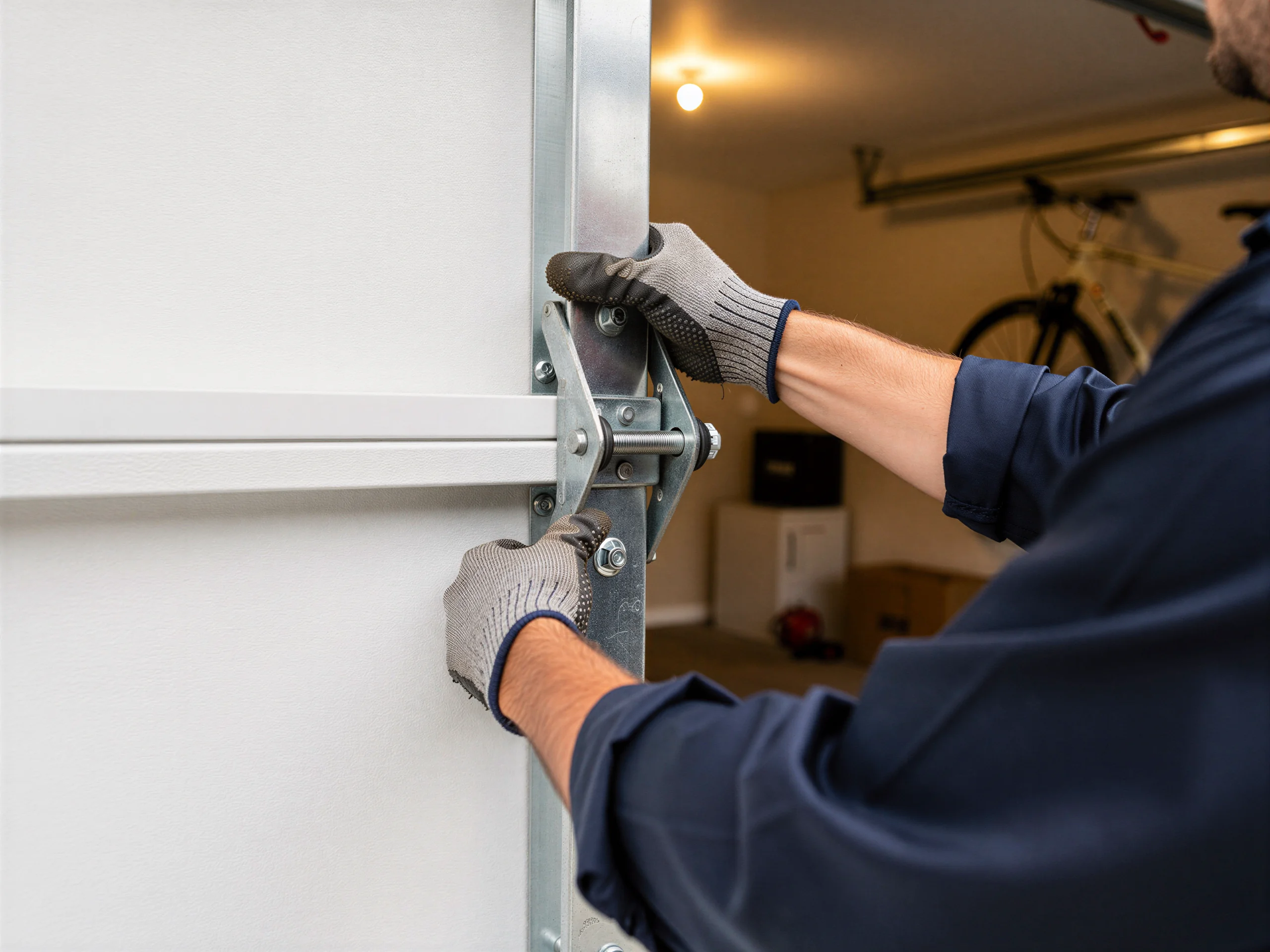
Then we check the obvious things in order: track alignment against the frame, roller condition, cable tension on both sides, and whether the bottom brackets are still square to the panel. A door that's just come off a roller usually goes back on in under an hour once we release spring tension safely and reseat it.
Straighten or replace track
A bent track gets straightened if the bend is minor, or replaced if the metal's kinked past where it'll hold shape - we don't hammer a track back into 'good enough' and call it fixed, because it'll come off again inside a year.
Cables replaced in pairs
Cables get replaced in pairs, not one at a time, since a cable that frayed on one side is telling you the other side isn't far behind. One honest limitation here: if the frame itself has rotted where the track bolts in - which happens on older wood-framed openings - we can't just rehang the track and expect it to hold.
Carpentry before door work
That's a carpentry fix before it's a door fix, and we'll tell you straight if that's what we're looking at rather than bolting into soft wood and letting you find out the hard way.
What Causes It Around Here
Housing across the Dallas service area mostly went up between 1970 and 2004, with a median build year around 1988, and a lot of it falls into that 1980s-90s run across the seven areas we work. That generation of garage door hardware is light-duty by today's standard - thinner track gauge, stamped roller brackets, cable sized for a lighter door than a lot of homeowners have since swapped in. Thirty-plus years of cycles on original hardware is exactly when rollers wear oval instead of round and start jumping the rail.
The climate band here runs cold-moderate, which matters more than people expect. Freeze-thaw swings make steel track brackets contract and expand against wood framing that's doing the same thing at a different rate, and over enough winters the lag screws work loose just enough for the track to flex under load. A door that's been riding a slightly loose track for a year will eventually walk a roller right off the rail, often on the one cold morning you're in a hurry.
Add in that a chunk of this housing stock has had an opener added or upgraded after the original build, and you get mismatched spring tension on hardware that was never sized for it in the first place.
How Long It Takes
A roller back on track with no bent rail: usually 30 to 60 minutes once we're on site and the door is isolated from the opener.
Track repair time estimate
A bent track that needs straightening or swapping on one side: closer to an hour, sometimes a bit more if we're matching an older track profile that isn't the current standard width. Cable replacement on both sides, done right with the door balanced after: plan on an hour to ninety minutes.
Diagnosis takes time
What we can't shorten is diagnosis - on a door that's fully derailed, we need to check both tracks, both cables, the bottom brackets, and the spring before we touch anything, because fixing the visible problem while missing a frayed cable means we're back out in a month. That diagnostic time is built into the job, not billed as extra.
Frame repair extends job
Where it runs longer is when the frame itself needs repair before the track can be remounted properly, which isn't common but does happen on the older end of the housing stock in this area. We'll tell you on site if that's what we're looking at rather than guess at a timeline over the phone.
Talk to a local pro
Garage door service in Dallas?
Same-day service with honest, upfront quotes.