
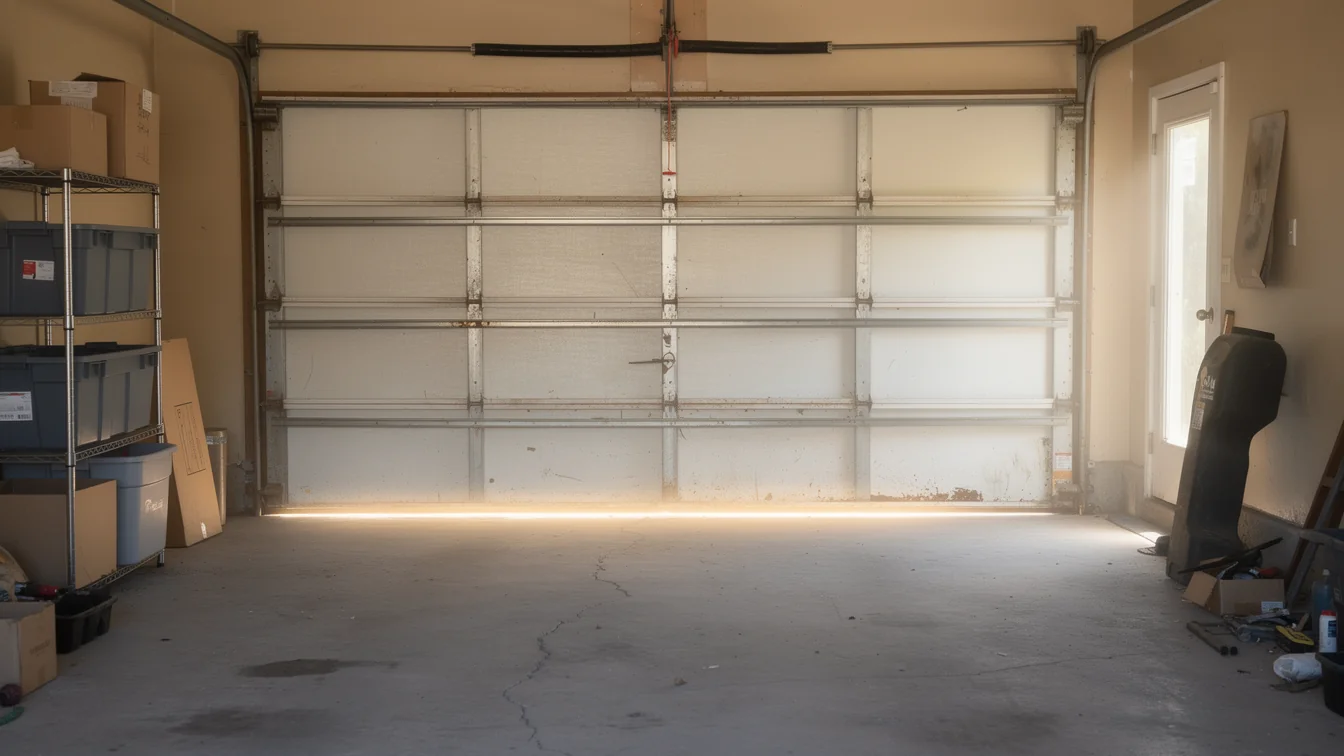
 What Your Garage Door Deals With in Dallas
Most Dallas homes date 1970-2004, with an 80s-90s cluster across seven areas.
A Real Look at Garage Door Service Calls in Dallas, GA
Dallas, GA homes built mostly in the 1980s and 90s face cold-climate wear on torsion springs and openers - here's what a service call actually checks.
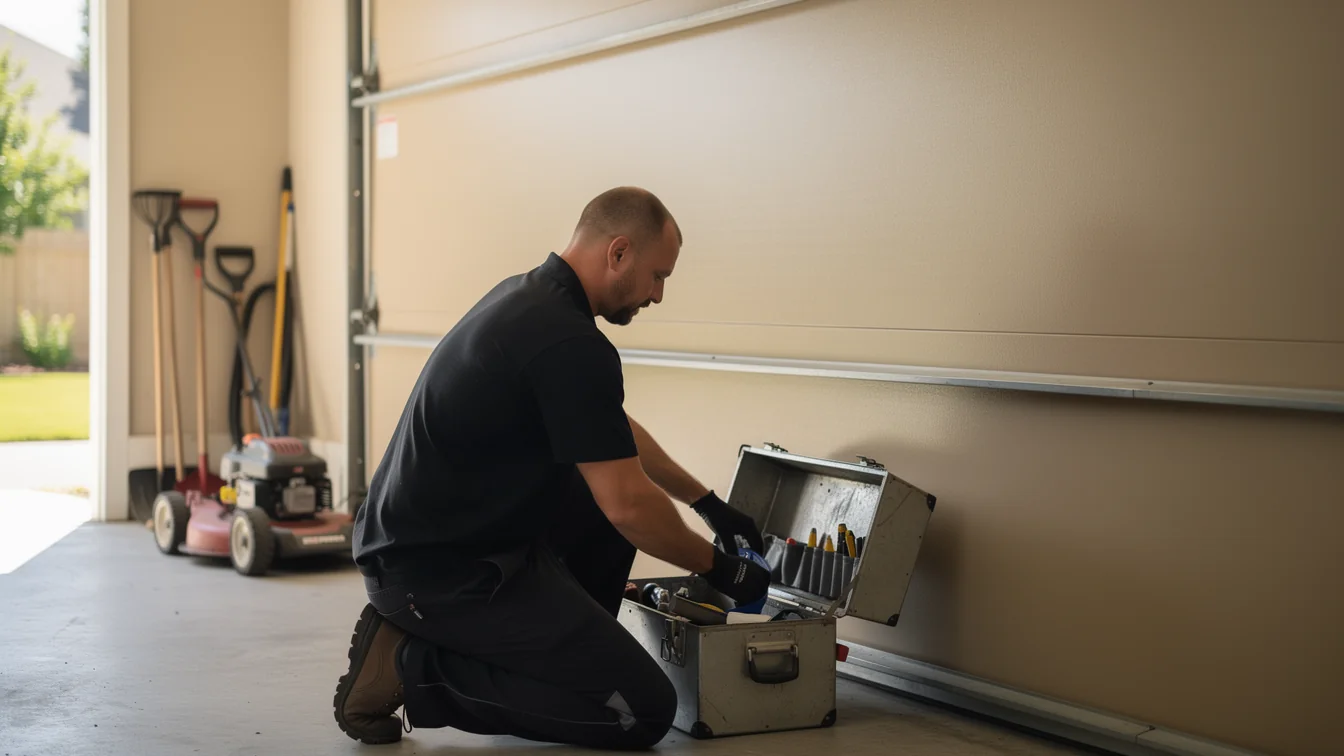
Local detail
What Local Conditions Do
Most of the housing stock we see in the Dallas service area went up between 1970 and 2004, with the median landing around 1988. That puts a lot of doors and openers right at the age where steel fatigues and lubricant dries out, but not so old that owners think to worry about it yet. We're in a cold moderate climate band here, which doesn't mean brutal winters, but it does mean enough freeze-thaw swing each year to matter. Torsion springs are wound steel under load, and steel contracts when it's cold. A spring that's been carrying a door since the late 80s has already lost some of its temper from two decades of that cycle. Add a cold snap and the margin that was holding it together is gone. Builder-grade springs from that era were sized to the door weight at installation, not to thirty-plus years of thermal cycling. That's the condition we're actually walking into on most calls - not a random breakdown, but a part that was living on borrowed time and ran out of it on a cold morning.
The area
The Problem
Across the service area there are 13,867 households, and 6,909 of those are owner-occupied houses - a lot of them still running the original torsion spring and opener that came with the build in the 1980s or 90s. That hardware wasn't bad when it went in. The problem is nobody replaces a spring on a schedule; they replace it when it snaps, usually loudly, usually when the door is halfway up. On a 1988-median house, that spring has been doing roughly 10,000 open-close cycles a year for three decades or more. Cold moderate winters add stress the spring wasn't rated to absorb forever - metal fatigue accelerates with temperature swing, not just use. We also see openers from the same era straining to lift a door that's gotten heavier over the years from added insulation or a replacement panel that doesn't match the original spring calculation. The opener motor takes the load the spring should be carrying, burns out early, and the owner blames the opener when the real failure started at the spring six months earlier.
What we find
The Common Mistake
The mistake we see most is spraying WD-40 on a noisy track and calling it maintenance. It quiets things down for a week, then the noise comes back louder, because the actual issue is a spring or roller sized for a 1980s or 90s door that's never been inspected since install. Owners in houses built around that 1988 median often assume a slow or jerky door means the opener is failing and replace the opener first - only to find the new opener straining against the same tired spring, no better than before. The other version of this mistake is waiting. A spring that's visibly stretched or has a gap in its coil will hold until it doesn't, and it doesn't pick a convenient day. We also won't pretend every door is worth saving: if the panels are original, rusted through, or the track is bent beyond square, a repair call sometimes turns into a replacement conversation, because sinking money into hardware from the 70s or early 80s that's past its structural life doesn't make sense for anyone.
How we work
Season by Season
In a cold moderate climate band, the year has a rhythm and the door feels every part of it. Winter is spring-failure season - the steel is contracted, lubricant thickens, and that's when a torsion spring with thirty years of cycles behind it finally lets go. Late winter into spring is opener season, because the motor has been compensating for a weak spring all winter and finally burns out once the load eases. Summer brings humidity swings that make wood-panel doors from the older end of the 1970-2004 build range swell slightly in their tracks, which shows up as binding or a door that won't seat flush at the bottom. Fall is the one window where a spring or roller check actually prevents a problem instead of reacting to one, since it's the lull between temperature extremes. None of this is about alarming anyone - it's that a house built in 1988 behaves differently across the year than a house built in 2001, even though both sit in the same county and the same climate band.
Questions
Common questions
Why do garage door springs keep breaking in winter around Dallas?
Torsion springs are wound steel, and steel contracts in the cold moderate swings we get here. A spring that's already thirty-plus years old - common on houses from the 1988 median build year - has less flex left to absorb that contraction, so winter is when the fatigue finally shows up as a snap.
My house was built in the 1980s. Is the original opener still safe to use?
Age alone doesn't make an opener unsafe, but openers from that era were built for the door and spring setup at the time. If the spring has aged or the door's gotten heavier from an upgrade, the opener can be straining past its rating. That's worth having checked rather than guessed at.
Do you replace every old door, or just fix what's there?
Depends on the door. If the panels and track are sound and it's a spring or roller issue, we fix it. If the door is original from the early end of the 1970-2004 range and the structure itself is failing, replacement is usually the honest answer instead of patching it repeatedly.
How often should a door from the 1980s or 90s actually be checked?
We don't have a universal number for every door, but a yearly look at the spring and rollers, especially going into winter, catches most of what turns into an emergency call later. Doors that age quietly until one cold morning they don't.
Recommendation
You Might Also Like
More garage door guides for Dallas homeowners.
What Your Garage Door Deals With in Dallas
Most Dallas homes date 1970-2004, with an 80s-90s cluster across seven areas.
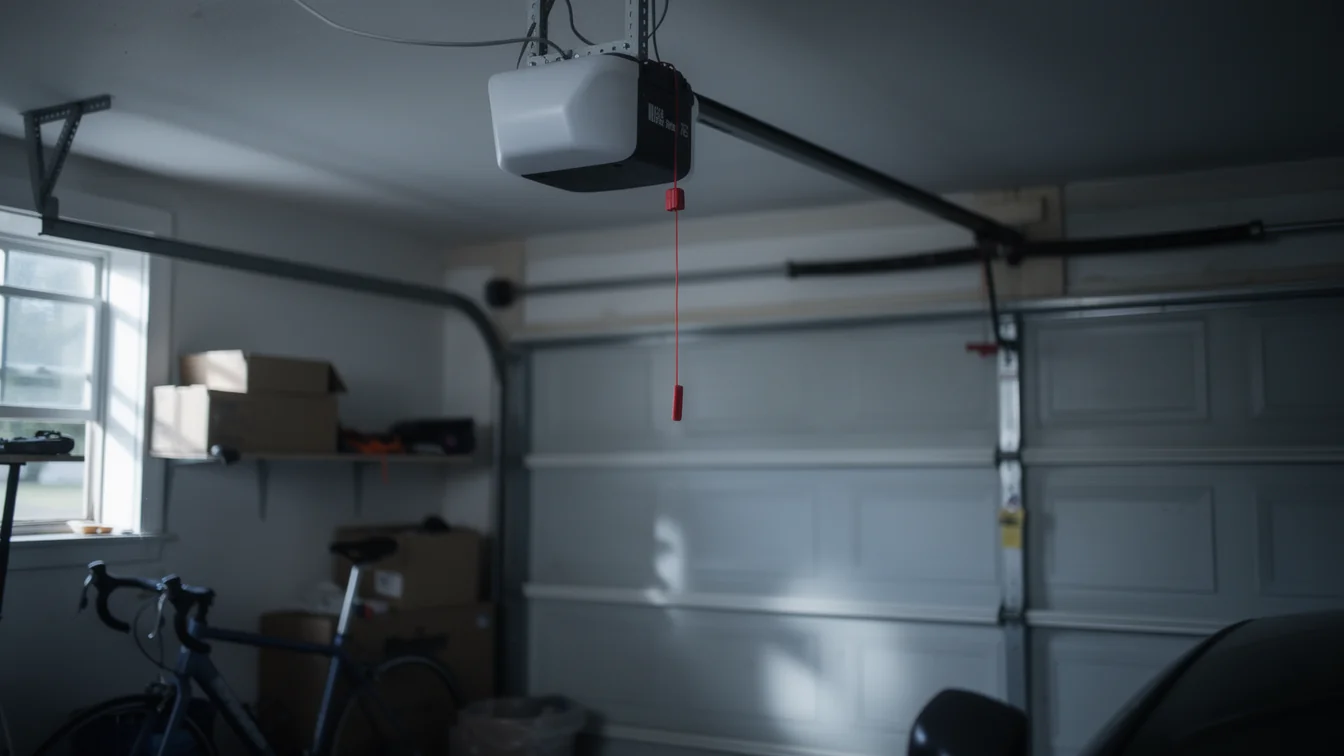 Garage Door Help for Dallas, GA's 1980s and 90s Subdivisions
Garage door repair and opener work built around Dallas, GA's 1970-2004 housing stock, cold-moderate winters, and the builder-grade hardware still running in most driveways here.
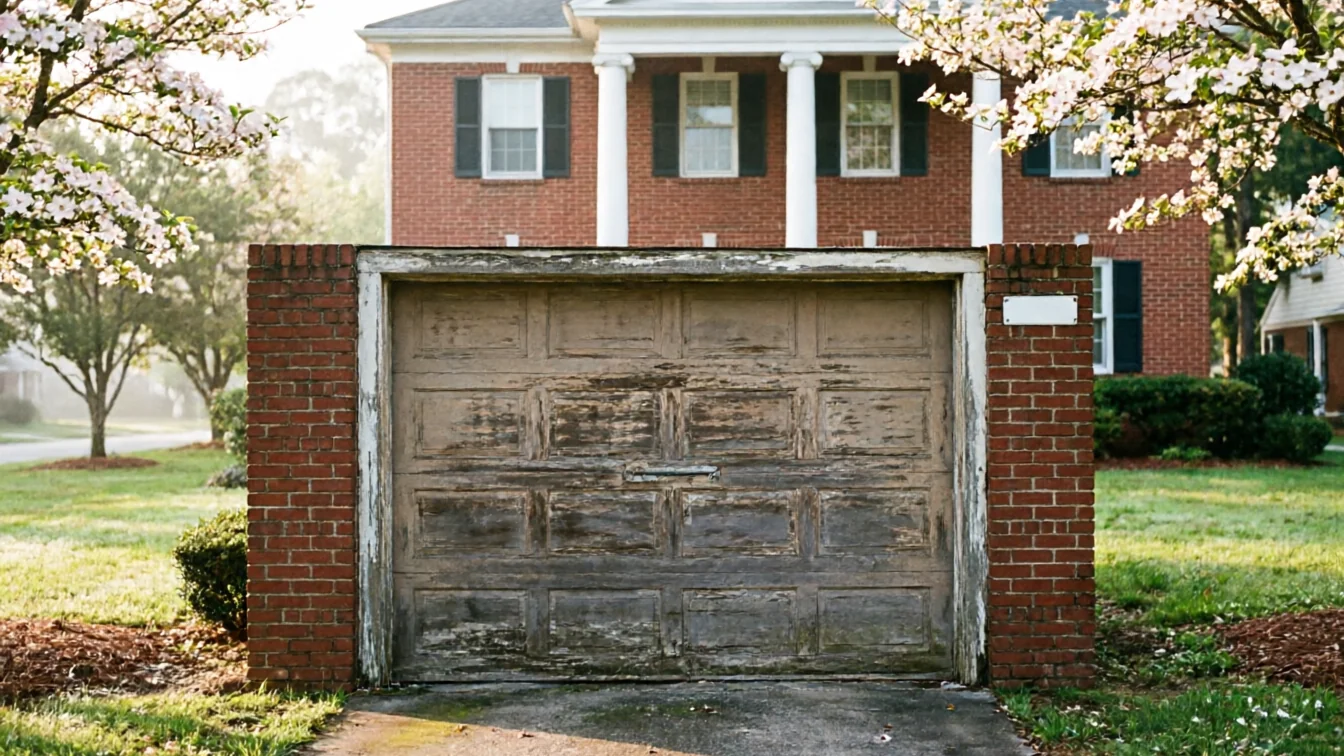 Is Your Dallas Garage Door Worth Repairing, or Time for Something New
Most Dallas garage doors date to the 1980s-90s boom.
Ready when you are
Need a garage door sorted in Dallas?
Dallas Door Pros repairs and installs garage doors, springs and openers in Dallas, GA and the surrounding area.