
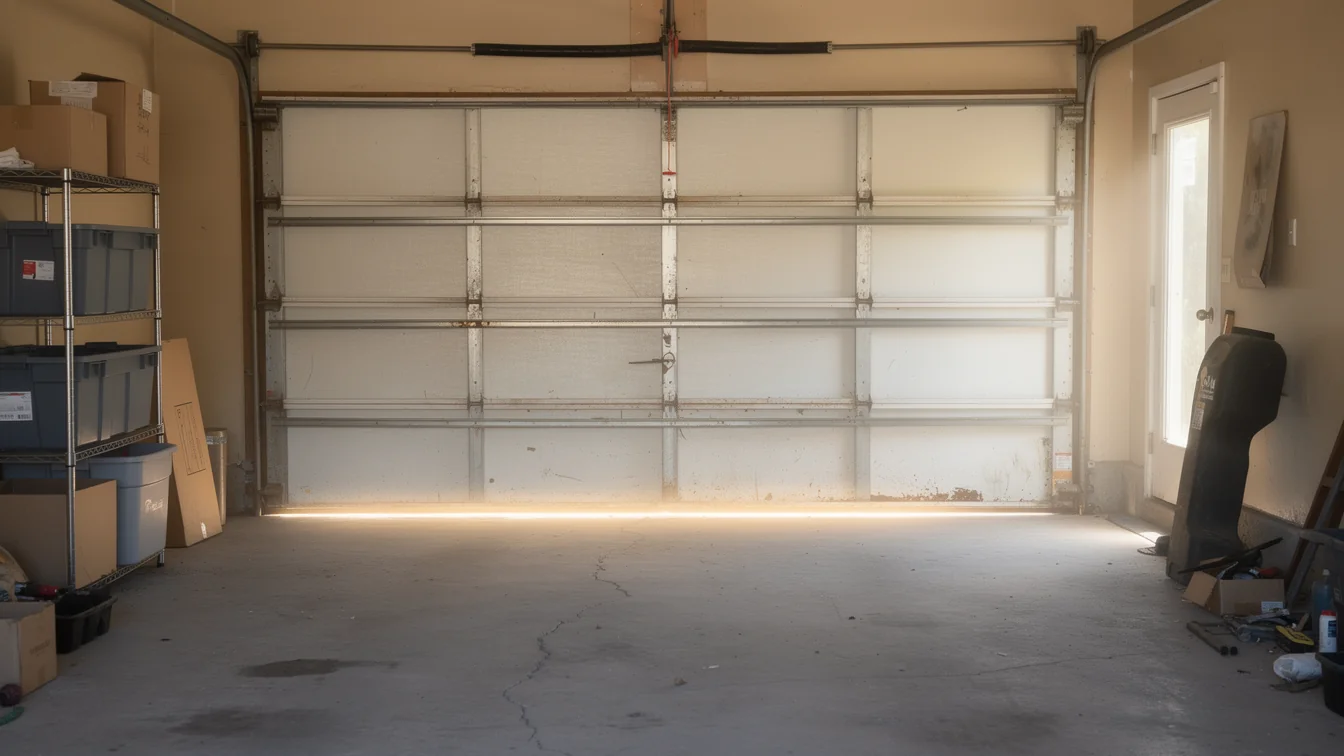
 What Your Garage Door Deals With in Dallas
Most Dallas homes date 1970-2004, with an 80s-90s cluster across seven areas.
Is Your Dallas Garage Door Worth Repairing, or Time for Something New
Most Dallas garage doors date to the 1980s-90s boom. Here's how that housing stock and our cold-moderate climate decide whether a repair or a new door makes sense.
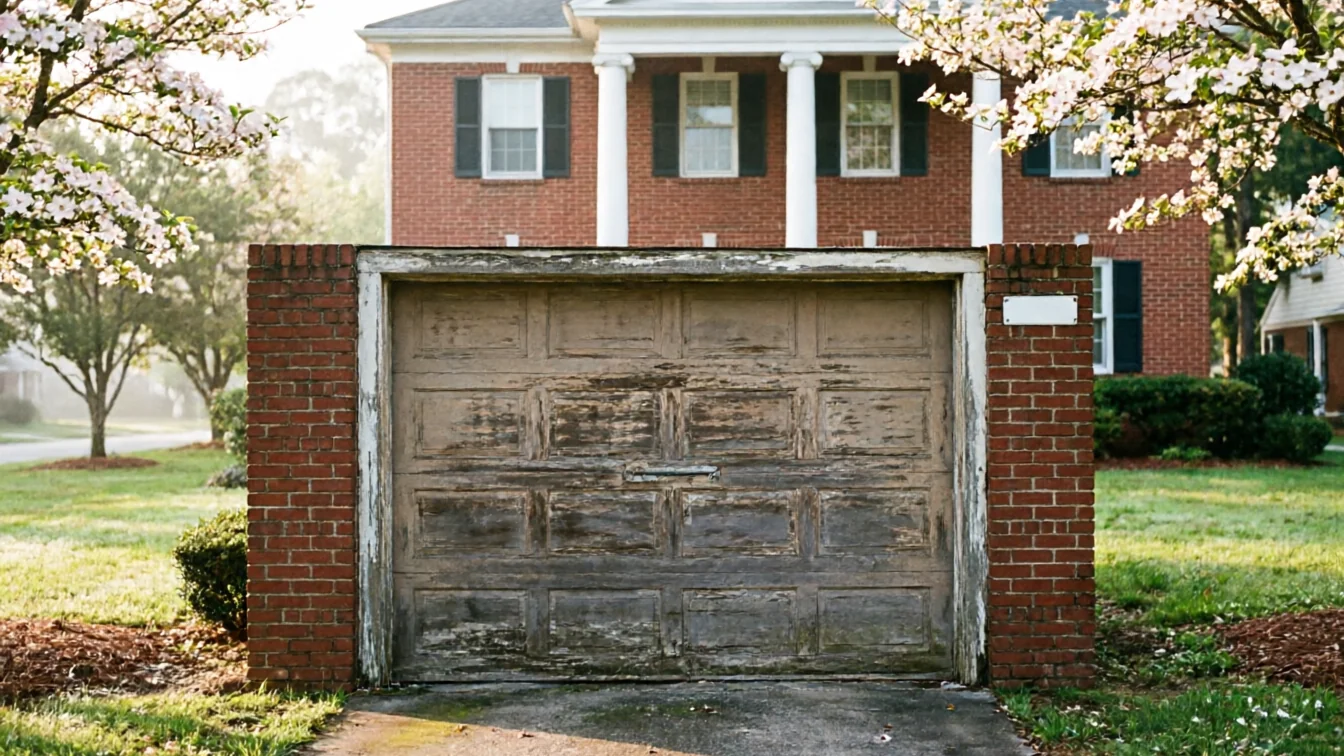
Local detail
What Local Conditions Do
Most of the houses we work on in and around Dallas went up between 1970 and 2004, with the median build year sitting around 1988. That matters more than people think. A door and opener installed when a house was built in the late 1980s is now pushing 35 to 40 years old, which is past the working life of most torsion springs, most rollers, and a lot of the garage door openers from that era. Across the seven main pockets of housing we see most - the subdivisions that went in through the 80s and 90s boom - the hardware is similar enough that we can usually guess the vintage of a door before we even pull into the driveway. That's not a guess about your specific street. It's what the housing stock here tells us. If your house was part of that build wave, your door is old enough that 'just replace the spring' and 'replace the whole unit' are both honest answers, and which one is right depends on what else is original.
The area
The Problem
The problem with a door from the 1988 build era is that it was never built to the standard we'd use today, and the climate here has had thirty-plus years to work on it. We're in a cold-moderate band - not brutal winters, but real freeze-thaw cycles each year. That cycle is hard on steel panels, on the seals at the bottom of the door, and especially on the galvanized coating on springs and cables. A spring that was fine in year ten starts showing rust pitting by year twenty-five, and pitted steel doesn't fail gracefully - it fails suddenly, usually on the coldest morning of the year when the steel has contracted the most. On an original 1980s-90s door, we're often looking at a spring, a set of rollers, and weatherstripping that are all the same age and all near the same end point. Fixing one part without looking at the rest just buys you a callback in six months.
What we find
The Common Mistake
The mistake we see most in Dallas is spending repair money on a door that's already told you it's done. If your opener, springs, and panels are all original to a house built in the late 80s, a $200 spring swap on a door whose track is bent and whose panels are rusting at the bottom is money that doesn't carry forward. We'd rather tell you that up front than replace a spring twice. On the other hand, we also see people replace a perfectly sound door because one part failed - that's the opposite mistake. A door from this era with a bent panel or one bad cable, but a straight track and a sound frame, is often worth fixing. We can't give you a dollar figure without seeing the door, since what it's worth fixing depends on the age of each part, not just the age of the house.
How we work
Season by Season
In a cold-moderate climate, the stress on a garage door isn't constant - it spikes at the seasonal turns. Late fall into winter is when steel contracts and old springs lose tension or snap outright; that's the season we get the most calls on doors from the 1980s-90s stock. Spring is when humidity and freeze-thaw runoff get into weatherstripping and bottom seals that have already hardened and cracked over a winter, so doors that seemed fine in January start letting in drafts and debris. Summer is lower-stress on the hardware itself but hard on openers that have been running rough all year - heat finishes off a motor that was already struggling. If your house falls into that common 1970-2004 build window, we'd plan around those seasonal stress points rather than waiting for a failure on the coldest or wettest day of the year.
Questions
Common questions
My house was built in the late 1980s. Is my garage door original?
It's possible. A lot of the housing stock in the Dallas area dates to the 1970-2004 window with a median build year around 1988, and many of those doors never got replaced, just serviced piece by piece. If your springs, track, and panels all look the same age, that's a strong sign the door itself is original.
Is it worth fixing a 30-year-old garage door?
Often yes, if the frame and track are straight and only one or two components have failed. If the springs, rollers, and panels are all failing around the same time, which happens a lot with doors from the 1980s-90s build era, replacement usually makes more financial sense than repeated repairs.
Why do garage door springs fail more in winter here?
We're in a cold-moderate climate with real freeze-thaw cycles each year. Steel springs contract in cold weather, and a spring that's already pitted from age loses tension or snaps outright under that added stress. That's why winter is the season we see the most spring failures on older doors.
Recommendation
You Might Also Like
More garage door guides for Dallas homeowners.
What Your Garage Door Deals With in Dallas
Most Dallas homes date 1970-2004, with an 80s-90s cluster across seven areas.
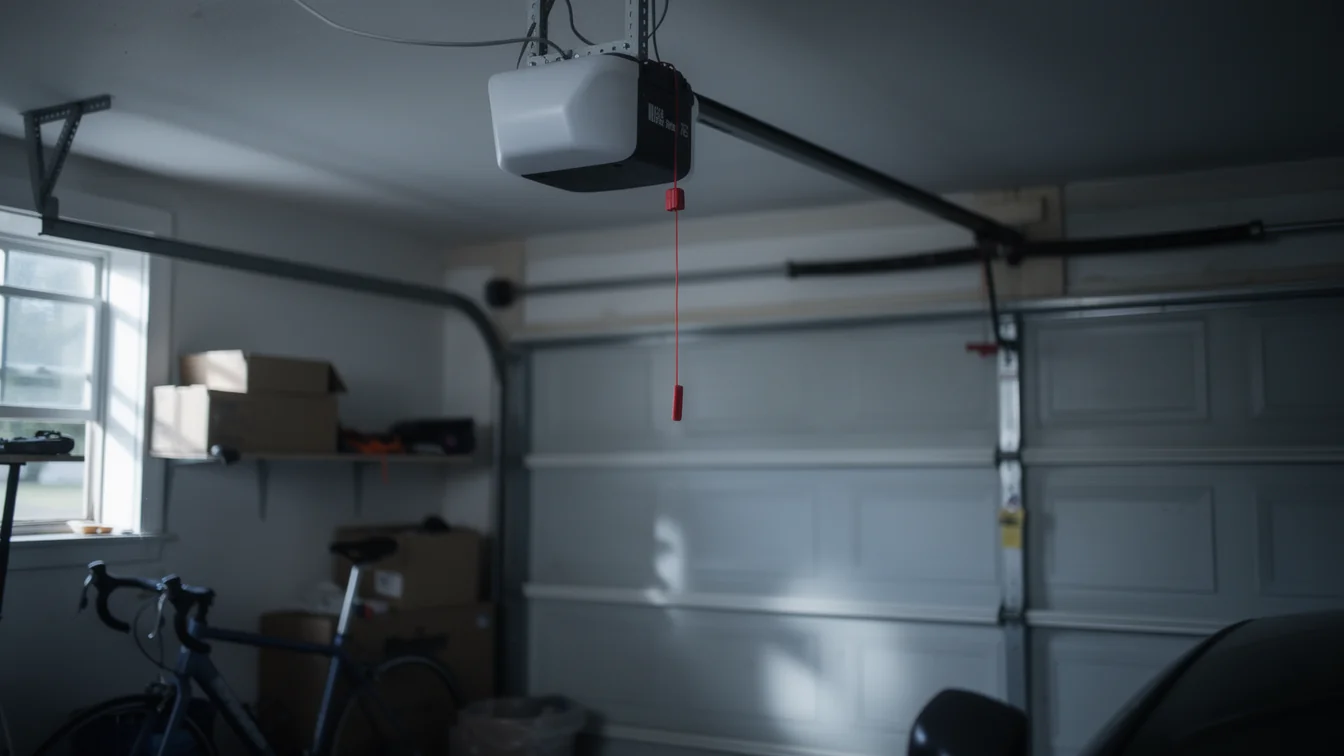 Garage Door Help for Dallas, GA's 1980s and 90s Subdivisions
Garage door repair and opener work built around Dallas, GA's 1970-2004 housing stock, cold-moderate winters, and the builder-grade hardware still running in most driveways here.
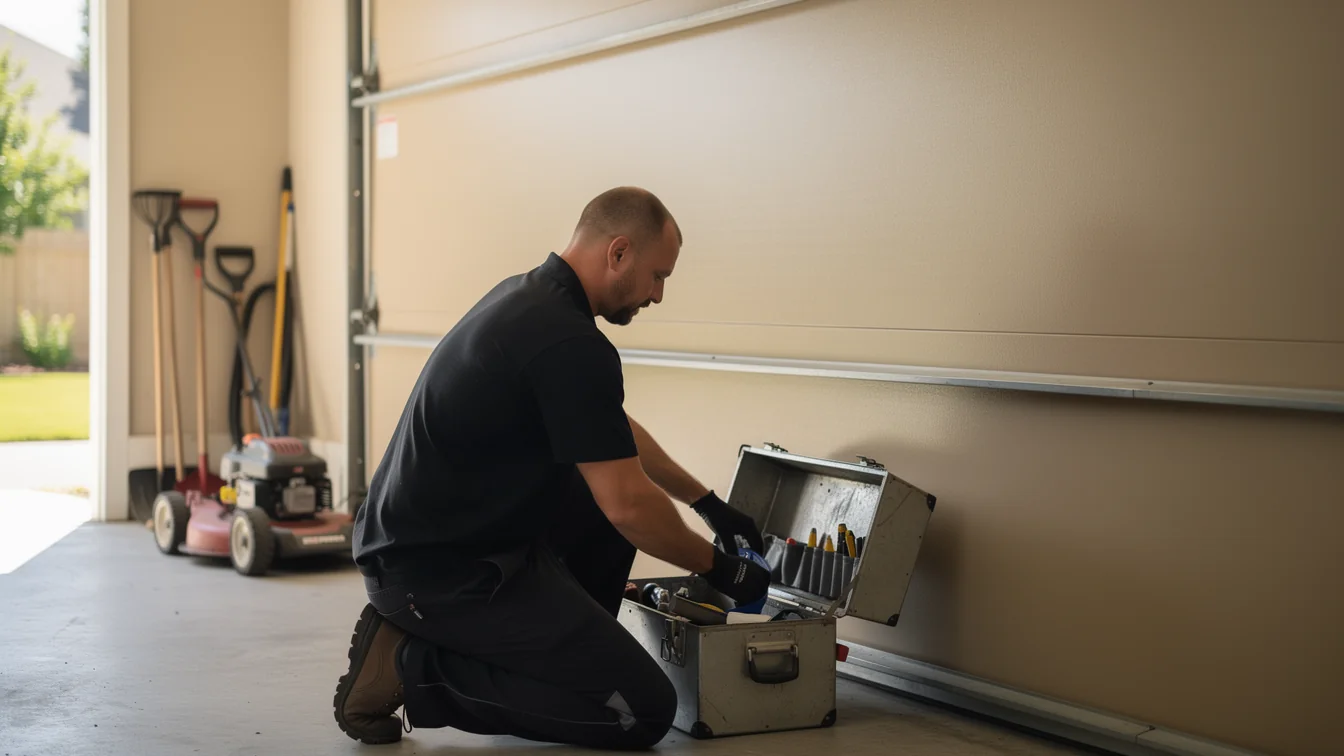 A Real Look at Garage Door Service Calls in Dallas, GA
Dallas, GA homes built mostly in the 1980s and 90s face cold-climate wear on torsion springs and openers - here's what a service call actually checks.
Ready when you are
Need a garage door sorted in Dallas?
Dallas Door Pros repairs and installs garage doors, springs and openers in Dallas, GA and the surrounding area.