What You Are Seeing
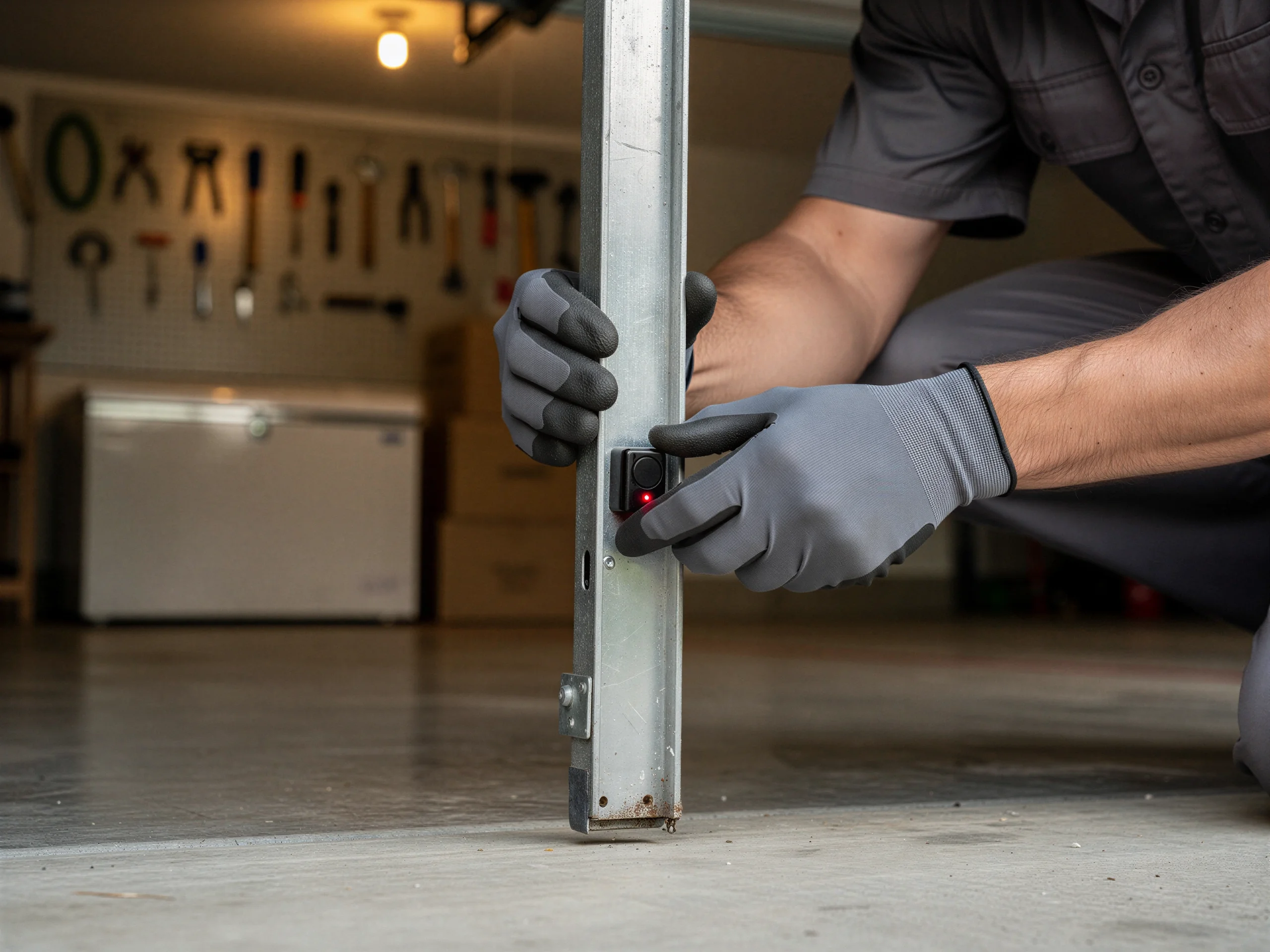
If your door is slamming the last foot of travel, sticking halfway up, or the opener is grinding without lifting the panel, you're looking at one of three things: a torsion spring that's lost tension, a track that's bent out of parallel, or an opener gear that's stripped from years of fighting a heavy door.
Original Dallas housing stock
In the Dallas service area, most houses date from 1970 to 2004, with the bulk of that stock going up in the 1980s and 90s across the seven named neighborhoods we work in most. That means a lot of original builder-grade springs and openers are now 25 to 40 years old, well past the point where they were engineered to perform reliably.
Spring reaching end
A door that worked fine five years ago and suddenly won't close square usually has a spring that finally gave out, not a new problem - just an old part reaching the end of its run.
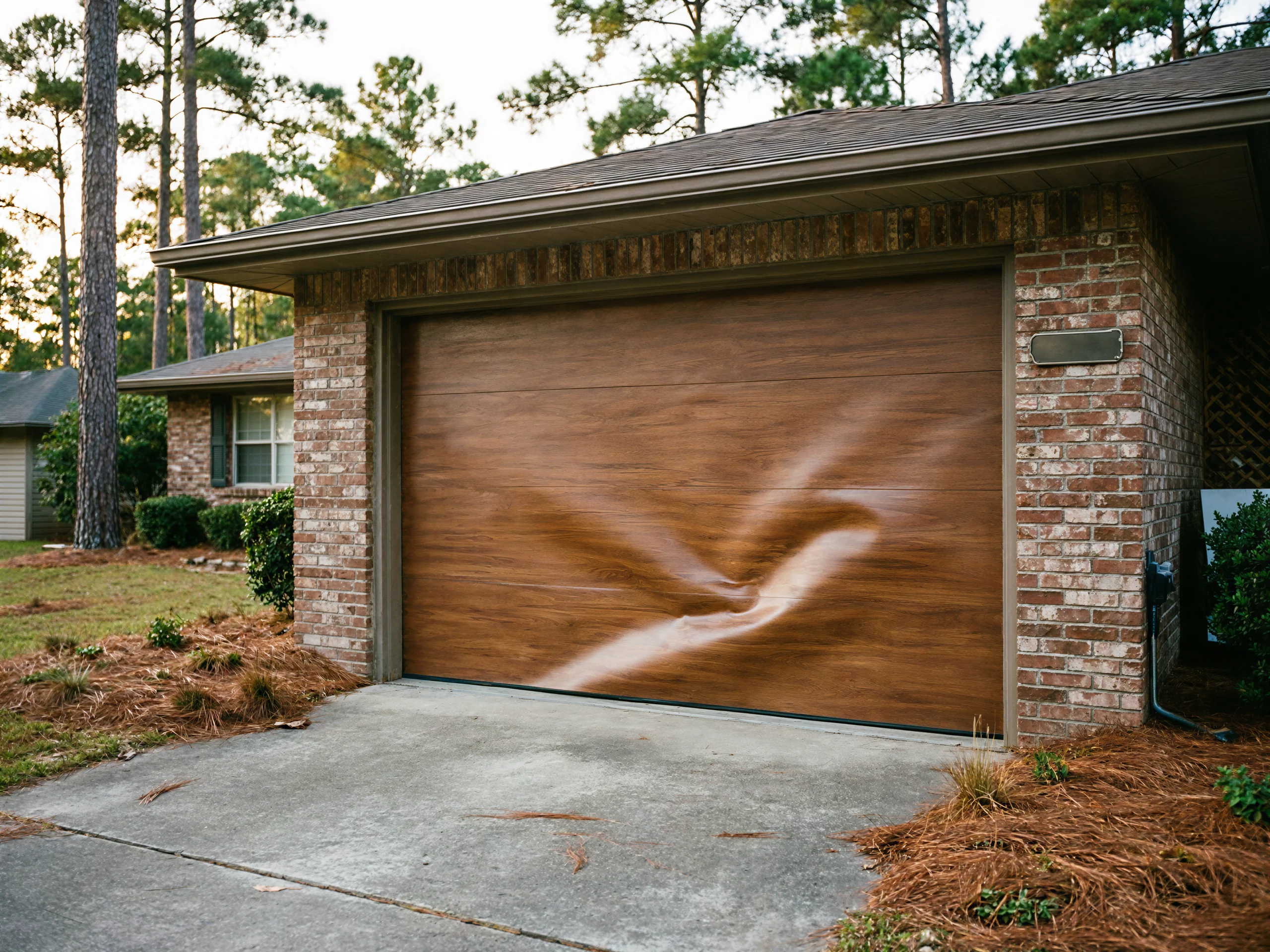
Stuck door safety warning
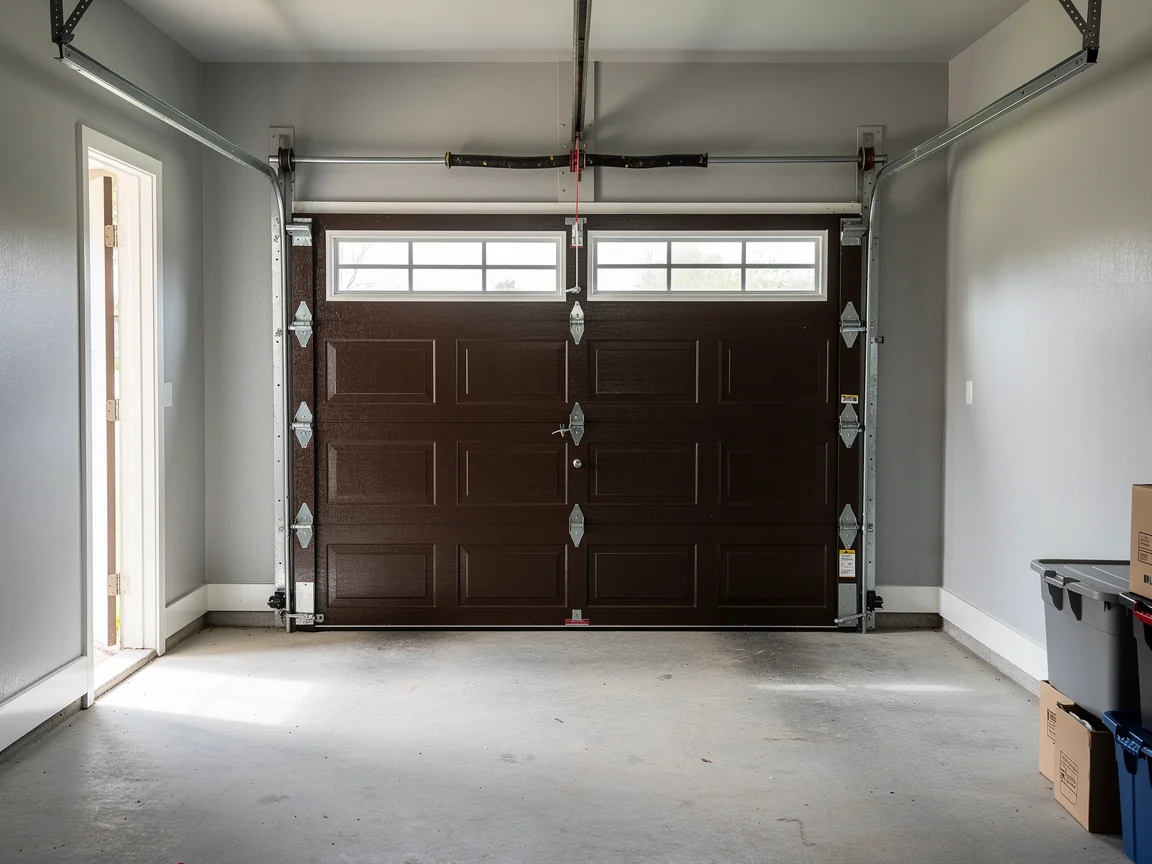
If you hear a loud bang from the garage and the door won't budge afterward, do not try to force it open by hand. That's almost always a broken torsion spring under load, and it can snap back hard.
How We Fix It
We start by cycling the door manually with the opener disconnected, which tells us in under a minute whether the problem is spring tension, track alignment, or the opener itself.
Matched spring pairs
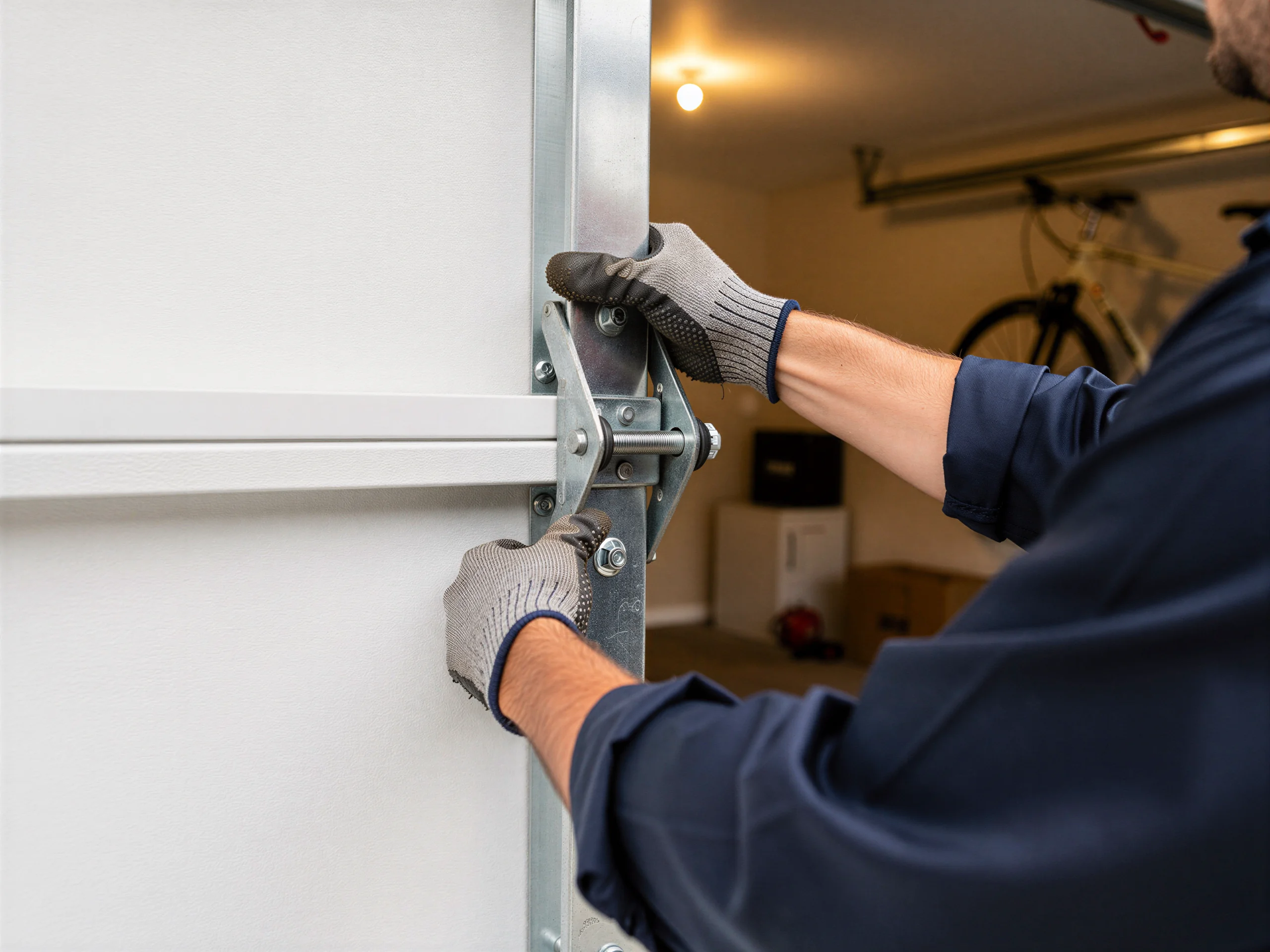
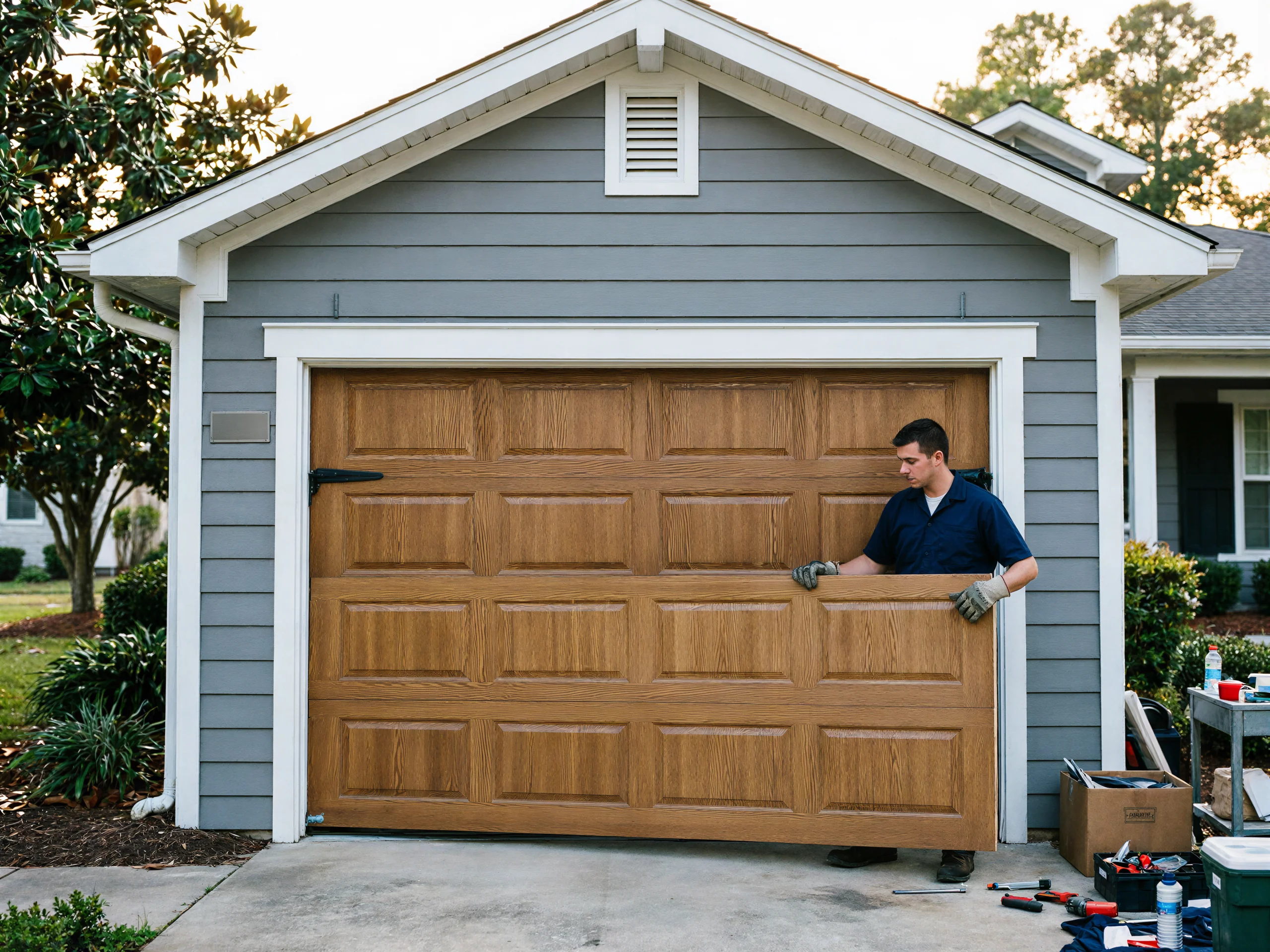
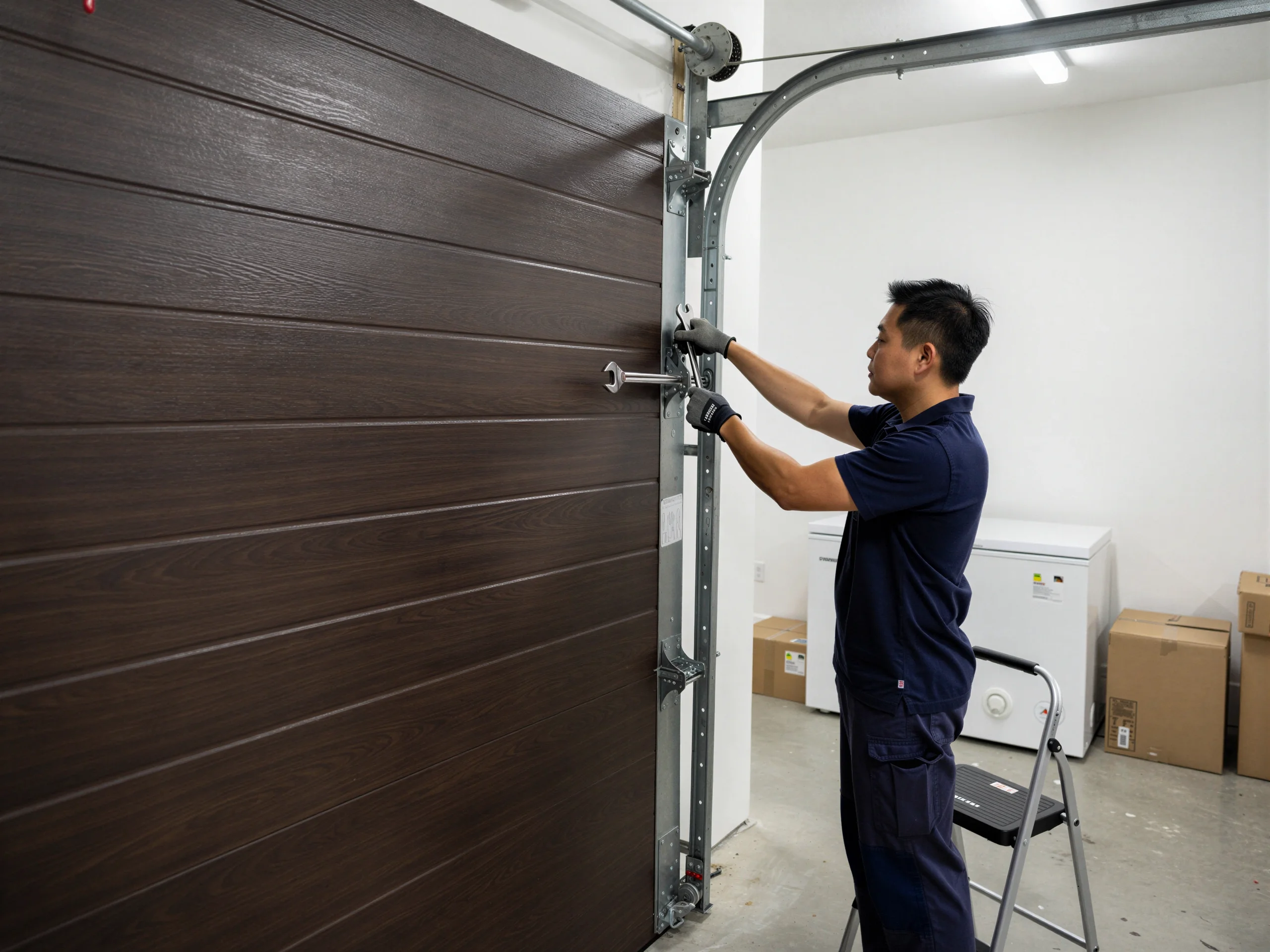
Torsion springs get replaced in matched pairs sized to your door's weight, not patched or re-stretched - a mismatched spring just shifts the failure to the other side within a year. Bent track gets pulled and reset to plumb, or swapped if the rail has kinked, since a kinked rail will keep chewing through rollers no matter how many times you straighten it.
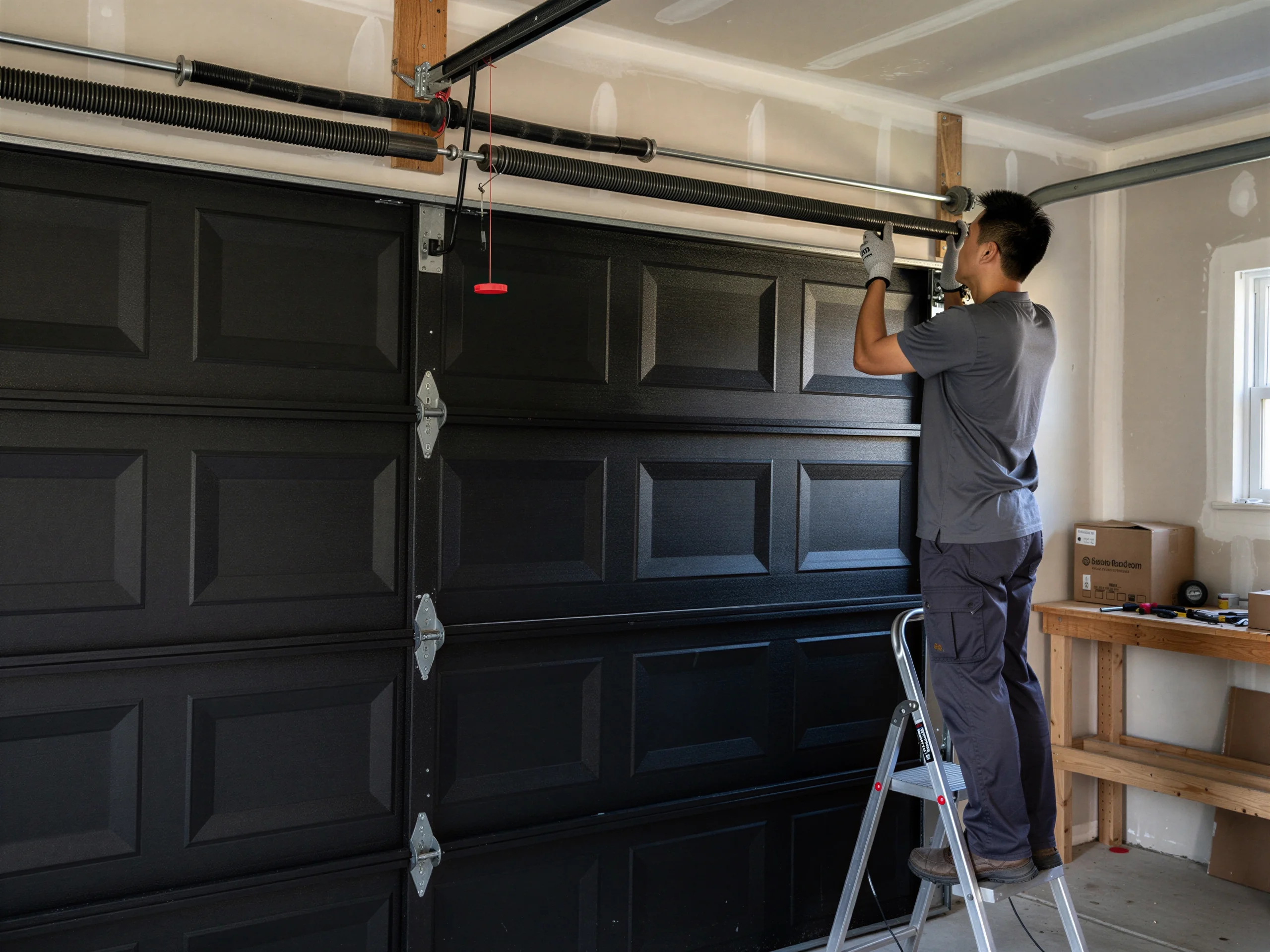
Checking opener and springs
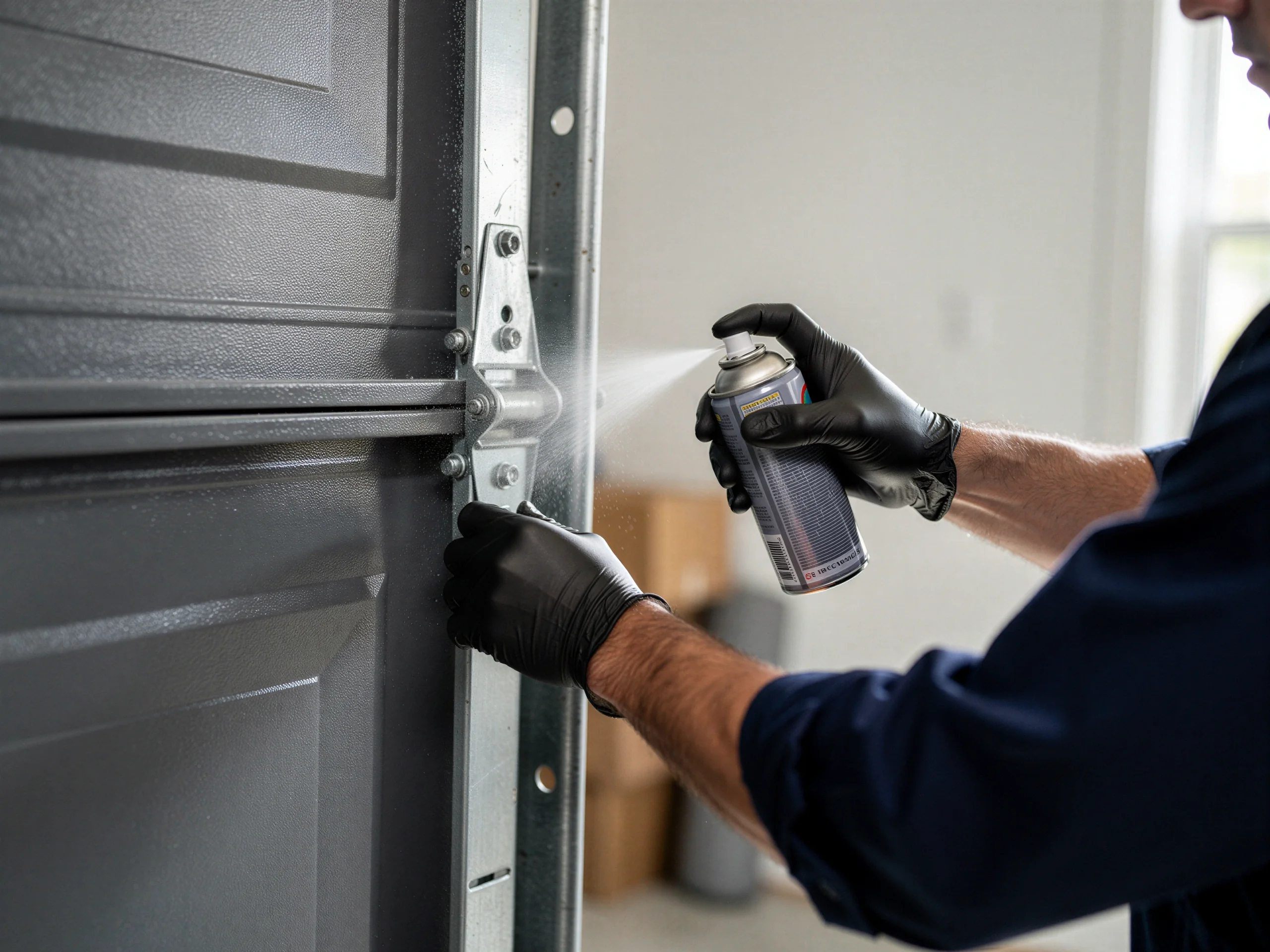
Opener issues usually come down to the gear kit inside the motor housing, which wears out faster when the springs it's fighting are already weak - we check both at once rather than fixing one and leaving the other to fail next month.
Opener age threshold
Honest limitation: if your opener is more than 15 years old and the gear kit, logic board, and springs are all going at once, we'll tell you straight that a full opener swap costs less over two years than three separate repair calls. We don't try to talk you into saving a unit that's done.
What Causes It Around Here
Dallas sits in a cold-moderate climate band, which means steel springs and tracks see real temperature swings through the year - not extreme heat, not deep freeze, but enough seasonal contraction and expansion to work metal fatigue into springs faster than in a milder climate. Combine that with a housing stock where the median build year is 1988, and you get a large share of doors running original hardware that's absorbed three or four decades of those cycles. Garages in this area are also attached and unheated in most of the 1980s-90s construction common here, so the door and opener take the brunt of outdoor temperature shifts directly, with no buffer from a heated structure on the other side. That's a different wear pattern than a detached garage sees, and it's part of why springs on these houses tend to fail in clusters during the first real cold stretch of the season rather than gradually.
How Long It Takes
A straightforward spring replacement or track realignment is a same-visit job once we're on site - we carry common spring sizes for the door weights typical of the 1980s-90s builds that make up most of this area's housing. Opener repairs depend on whether it's a gear kit swap (same visit) or a full unit replacement, which we can usually still complete the same day if you're ready to move forward. What slows a job down is a non-standard door size or an older, discontinued opener model where we need to source a part - that's rare, but it happens on some of the original-equipment installs still running in the older end of the 1970-2004 build range. We'll tell you up front at diagnosis if your job falls into that category rather than guessing.
Talk to a local pro
Garage door service in Dallas?
Same-day service with honest, upfront quotes.