What You Are Seeing
The door won't budge, or it moves a few inches and stops. Sometimes it's a loud bang from the garage, usually first thing in the morning when the metal is cold - that's a torsion spring snapping under tension.
Slack cable symptoms
Other times the door still moves but feels wrong: heavy on the opener, slow to close, or the cables look slack at the bottom brackets. That slack cable is a sign the spring on that side has already lost its wind and the other one is doing all the work.
Two-decade housing concentration
Most of the homes we get these calls from were built between 1970 and 2004, with a heavy concentration in the 1980s and 90s, across seven named pockets of development in the Dallas service area. That matters because a lot of those original garage doors are still running on their first or second spring set, and springs don't last forever - they fatigue with every cycle, and a door that age has been through tens of thousands of them.
Stop running a strained opener
We cover this same failure across the wider area, not just inside Dallas proper. If your opener is grinding or the motor sounds like it's straining, don't keep running it. A dead spring puts the full weight of the door on the opener's gears, and that's a second repair bill waiting to happen.
How We Fix It
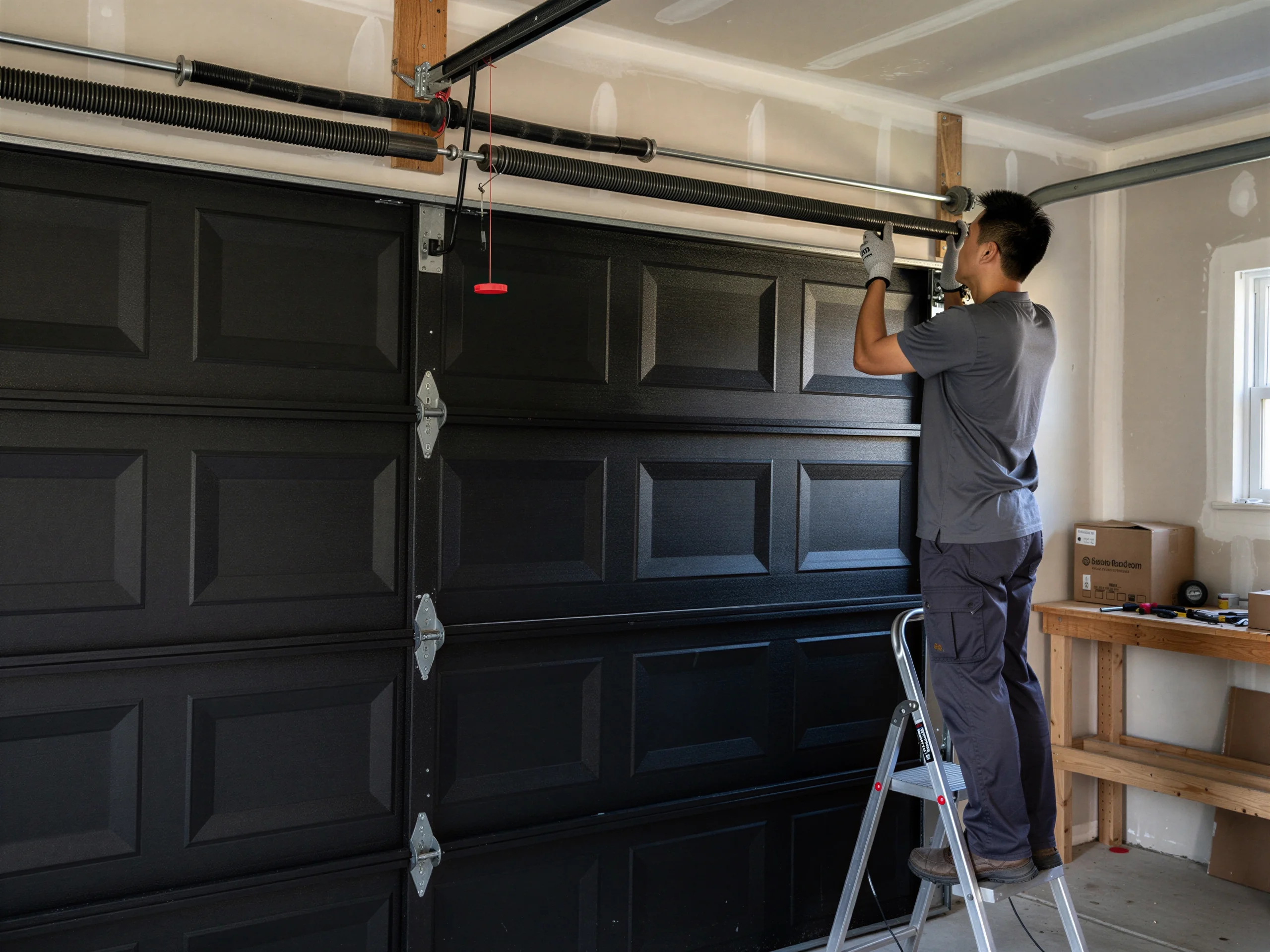
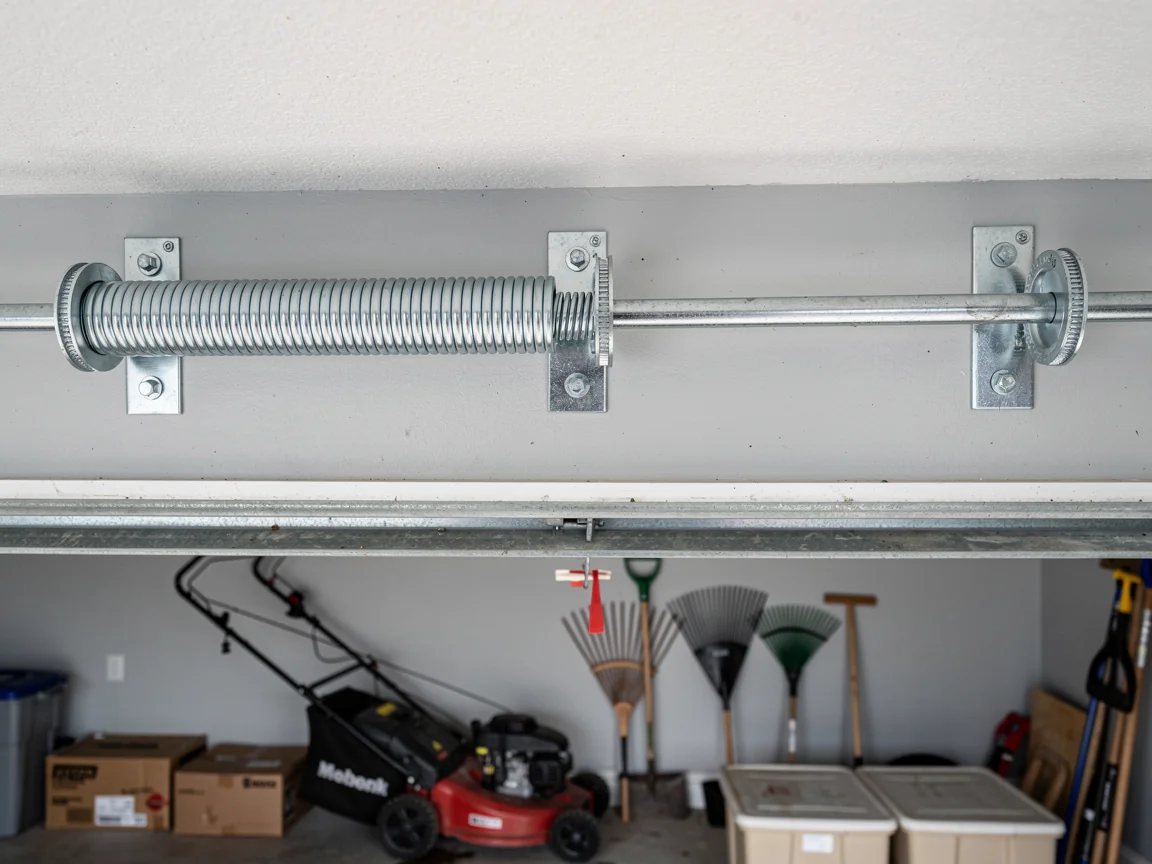
Garage doors run on one of two spring types: torsion springs mounted on a shaft above the door, or extension springs stretched along the horizontal tracks.
Torsion on two-car doors
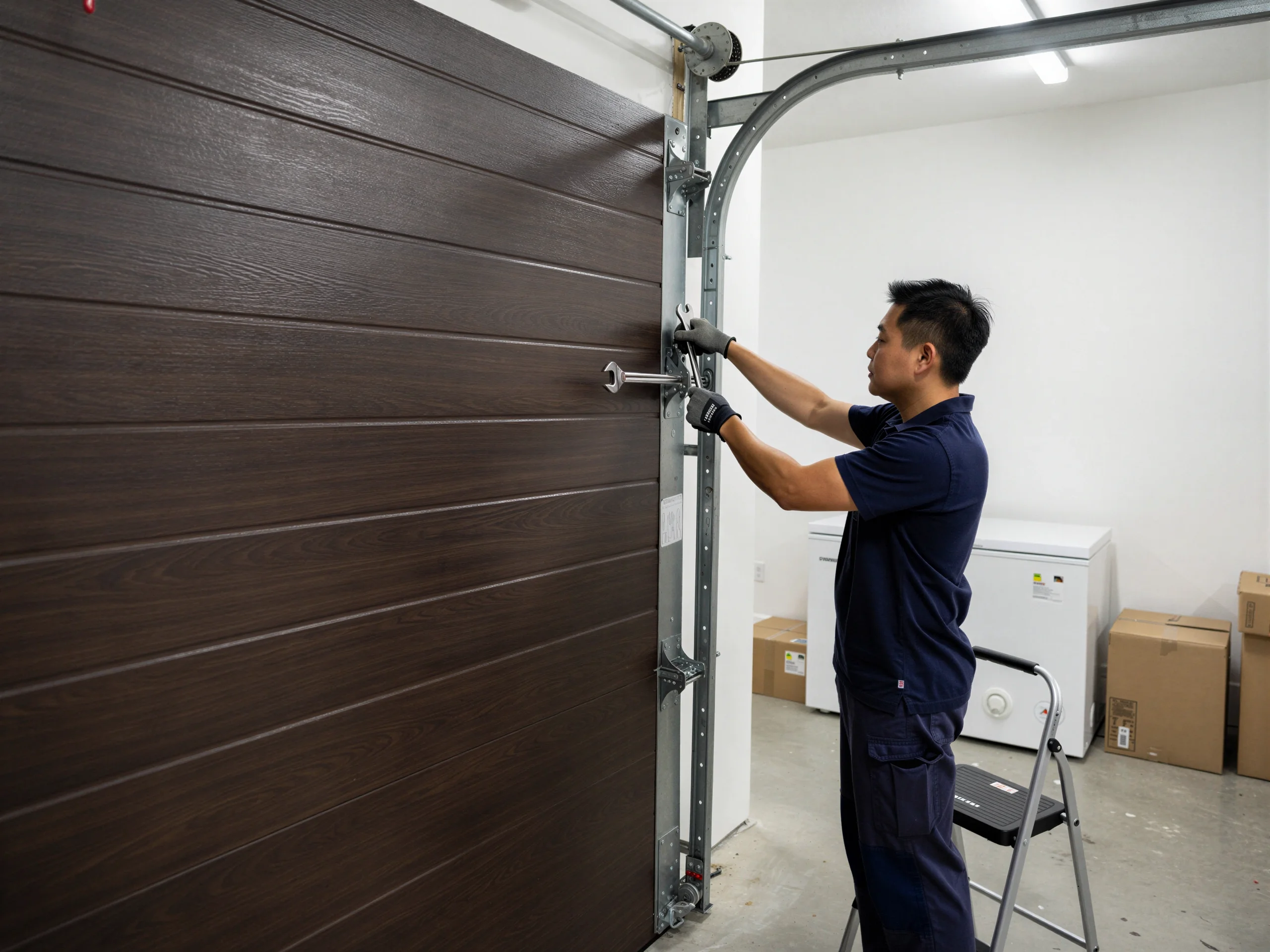
Torsion is far more common on the two-car doors we see through this area. The fix is the same either way in principle - release the tension safely, pull the worn spring, and wind in a replacement sized to the door's weight and height.
Springs replaced in pairs
We replace springs in pairs on double doors. If one side broke, the other side is close behind it, cycle-wise, and mismatched springs wear unevenly and come off balance fast. That's not an upsell - it's how the hardware is designed to work.
Damage beyond the spring
One honest limitation: if the door itself is warped, the track is bent, or the opener has already been damaged from running against a dead spring, a spring swap alone won't fix it. We tell you that upfront rather than hand you a door that still doesn't work right.
Drums and bearing plates
For homes in this area with original 1980s-90s hardware, we also check the drums and bearing plates while we're in there, since those parts are the same age as the spring and fail on the same timeline. Once the new spring is set and balanced, the door should lift with one hand and hold its position at any height. If it doesn't, something else is off, and we'll say so.
What Causes It Around Here
Dallas sits in a cold-moderate climate band. That doesn't mean brutal winters, but it does mean real seasonal swings - the kind of temperature change that makes steel expand and contract enough, year over year, to add stress to a spring that's already near the end of its wind count. Springs in warmer, flatter climates don't take that same cycling.
Layer that onto the housing stock: most of the area's homes went up between 1970 and 2004, with the bulk concentrated in the 1980s and 90s across seven main pockets of development. A spring installed when one of those houses was built is now anywhere from 20 to 40 years old, well past the design life most manufacturers rate for these parts. Across the service area's roughly 6,909 owner-occupied houses, a spring that old failing isn't a surprise - it's closer to the normal end of a part's working life.
It also means a lot of these calls cluster in the colder months, when the metal is stiffest and least forgiving of a fatigue crack that's already started. If your spring is original to the house and you haven't touched it, treat a sudden stiffness or a slow start as a warning, not something to wait out.
How Long It Takes
A spring job is usually one of the shorter calls on the truck - there's no wiring, no track alignment from scratch, just removing the old spring under control and winding in the new one to the correct turn count.
Double door timing
Double doors with two springs take a bit longer than a single door with one, since both get replaced together. What can slow things down is parts. Springs come in different wire sizes, diameters, and lengths depending on door weight and height, and not every size sits on the truck for every call.
Part wait on odd sizes
If your door is an unusual width or an older design, matching the exact spring sometimes means a short wait on the part rather than a same-visit fix. Once the new spring is in, the door gets tested through a full open-close cycle and checked for balance - it should hold steady at any point without the opener fighting it.
Full replacement over stopgap
With a median household income of $76,424 across the service area, most owners here go with a full spring replacement rather than a stopgap repair when the price difference is small, since a mismatched or patched spring usually comes back as a second call within a year or two. We'd rather do it once.
Talk to a local pro
Garage door service in Dallas?
Same-day service with honest, upfront quotes.