What It Costs
Most of Euharlee's houses went up around 1996, which puts them past the builder-grade one-piece doors of the 70s and into the first wave of sectional steel doors with factory torsion springs.
Standardized parts pricing
That hardware is more standardized than what you'd find on an older street, so parts are usually easier to source and pricing tends to be more predictable than on a house with original 1970s track.
Cost depends on fault
The job cost still depends on what's actually wrong - a broken torsion spring is one number, a bent track from backing into the door is another, and a dead opener logic board is a different number again. We don't post a flat price here because we haven't seen your door.
Replace over patching
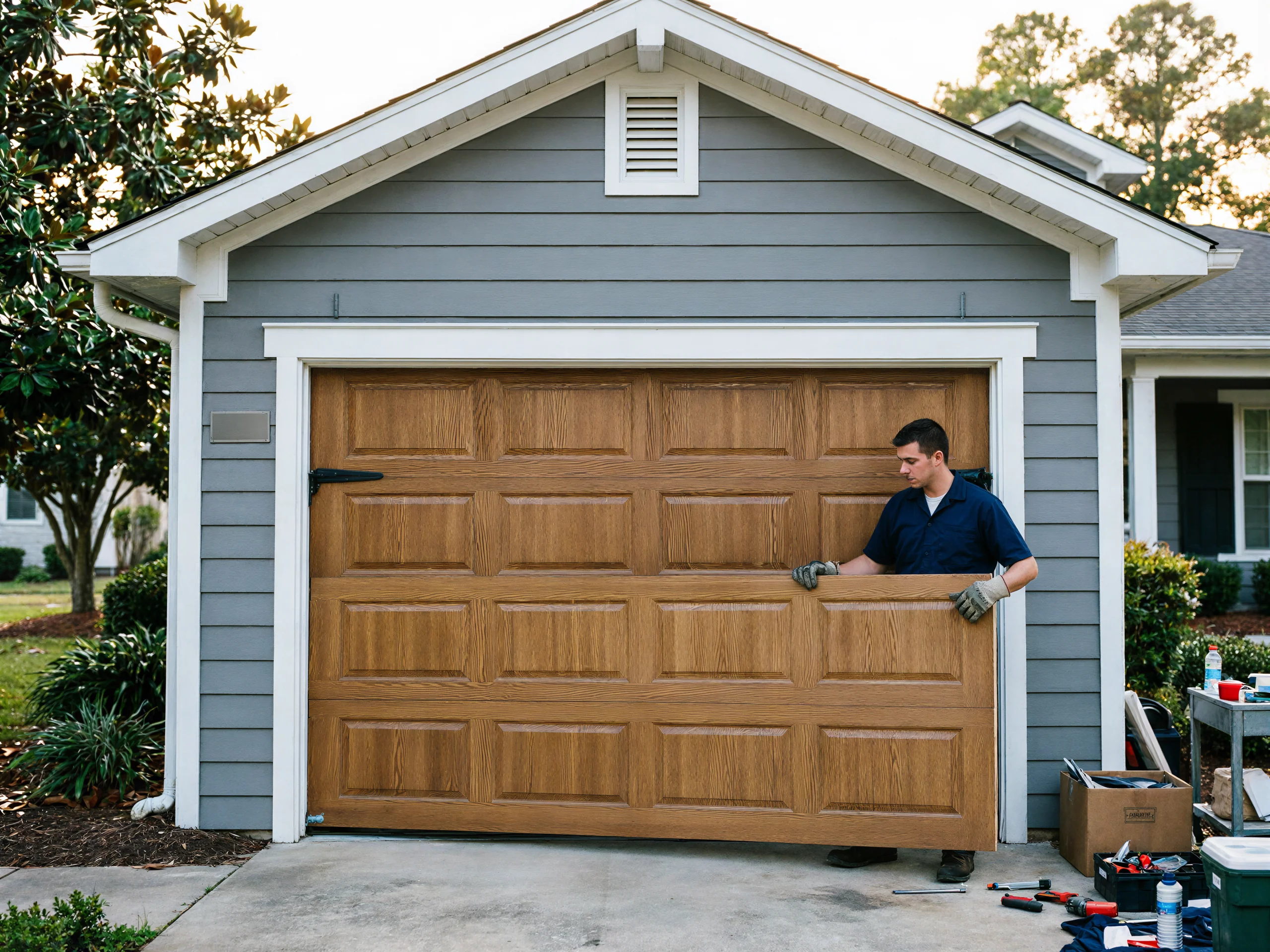
Euharlee households run a median income of $83,750, higher than much of the wider service area, and that tends to mean homeowners replace rather than patch when a repair starts costing more than half of a new door. We'll tell you straight if that's where you're at instead of running up a bill on a door that's not worth saving.
How Long It Takes
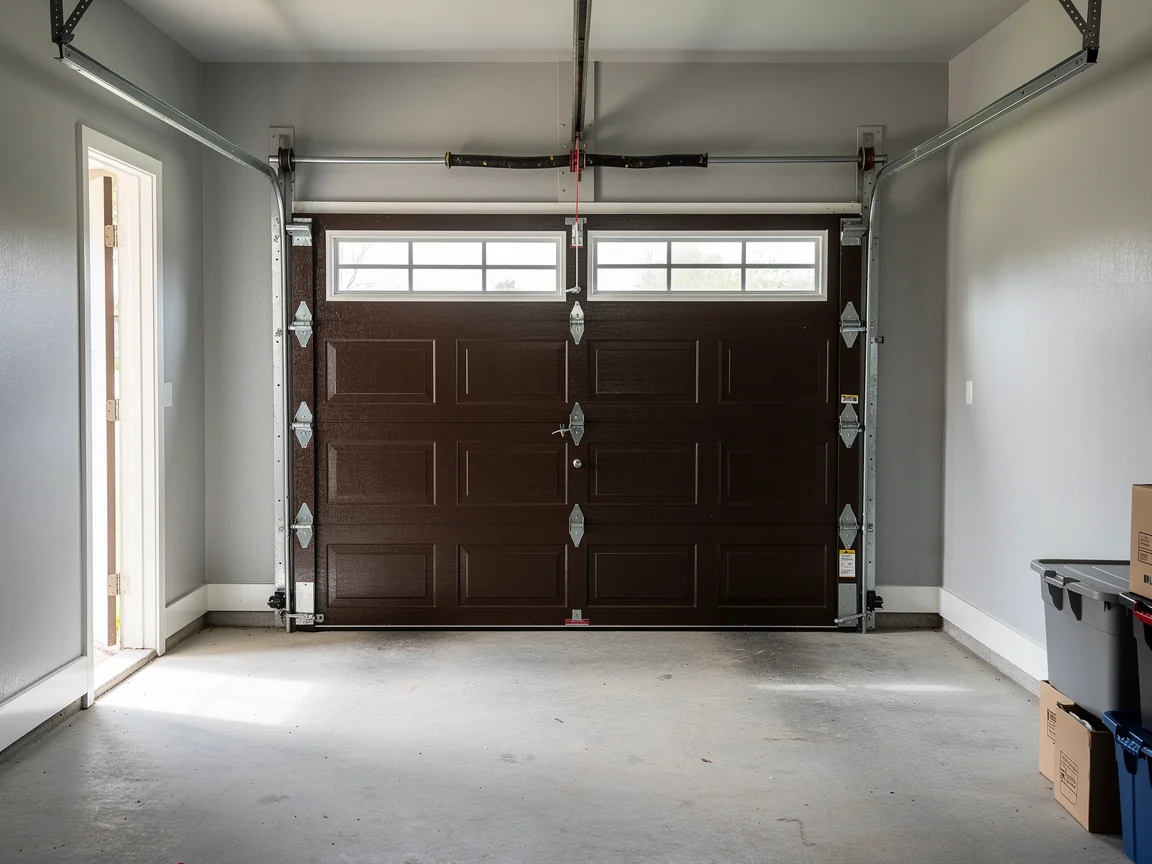
A straightforward torsion spring swap or roller replacement on a mid-90s door is usually a same-visit fix once a truck is on site, since the hardware from that era is common and well-stocked.
Drive time from Dallas
What adds time is the drive - Euharlee sits about 16 miles out from our Dallas base, so we're not a five-minute dispatch the way we'd be for a closer street.
Honest arrival window
We'll give you a window when you call, and we'd rather tell you an honest two-hour range than promise something we can't hold to on a Friday afternoon.
Return trips for openers
Openers are the one category where timing gets less predictable: if the logic board or a specific gear is bad, and it's not something we carry on the truck, you're looking at a return trip. That's rare on houses this age since parts compatibility is good, but it happens.
How We Fix It
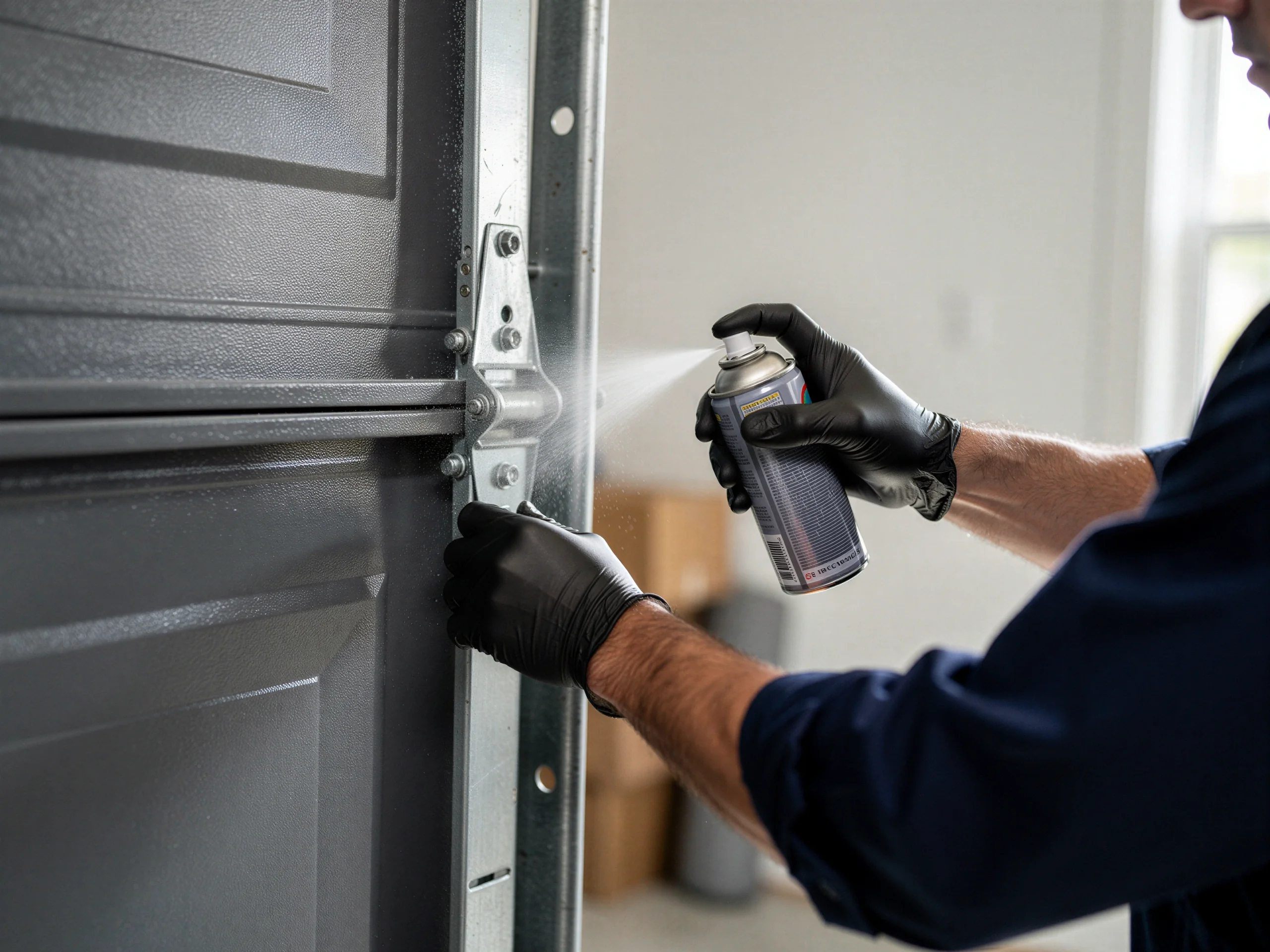
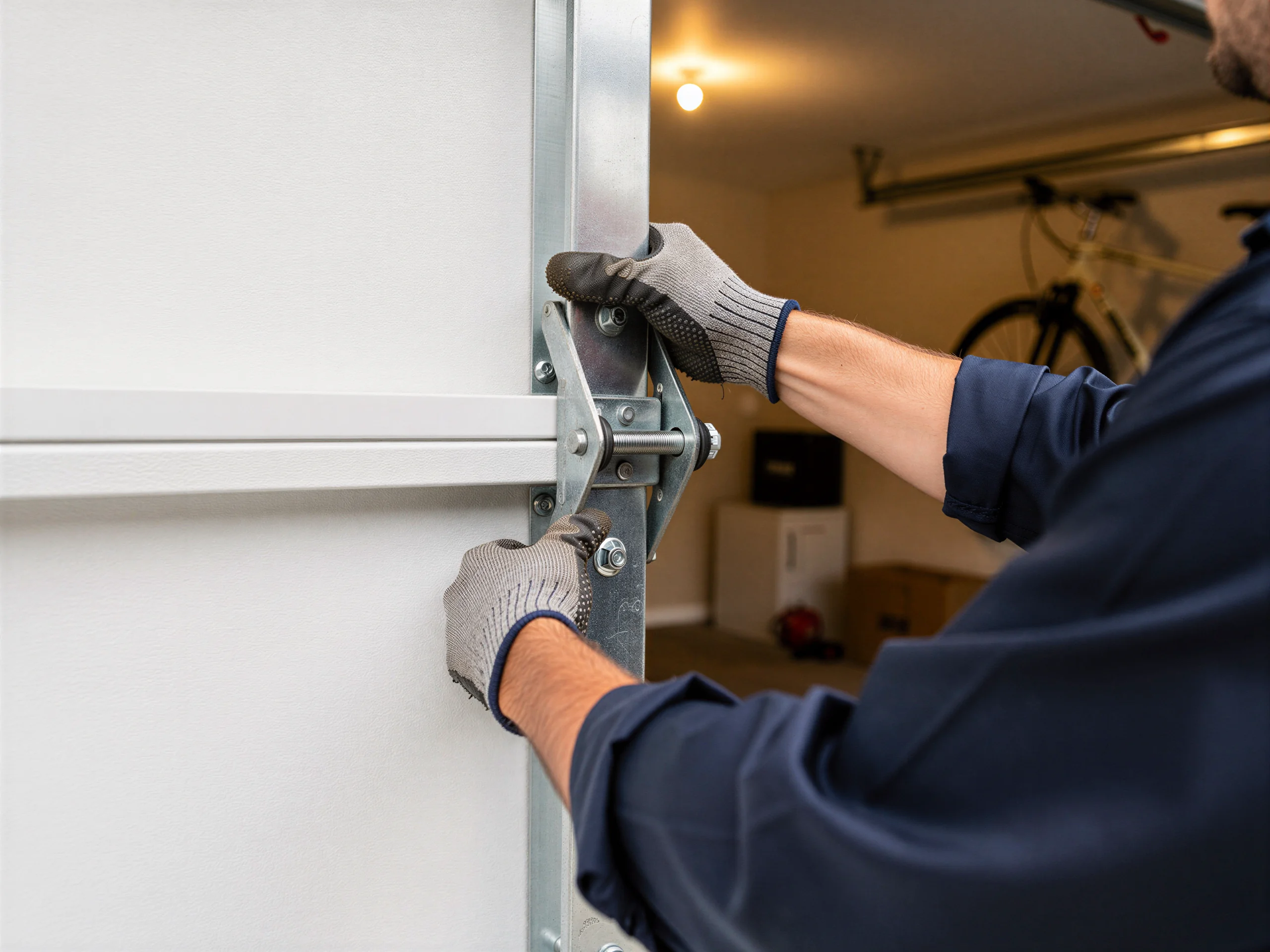
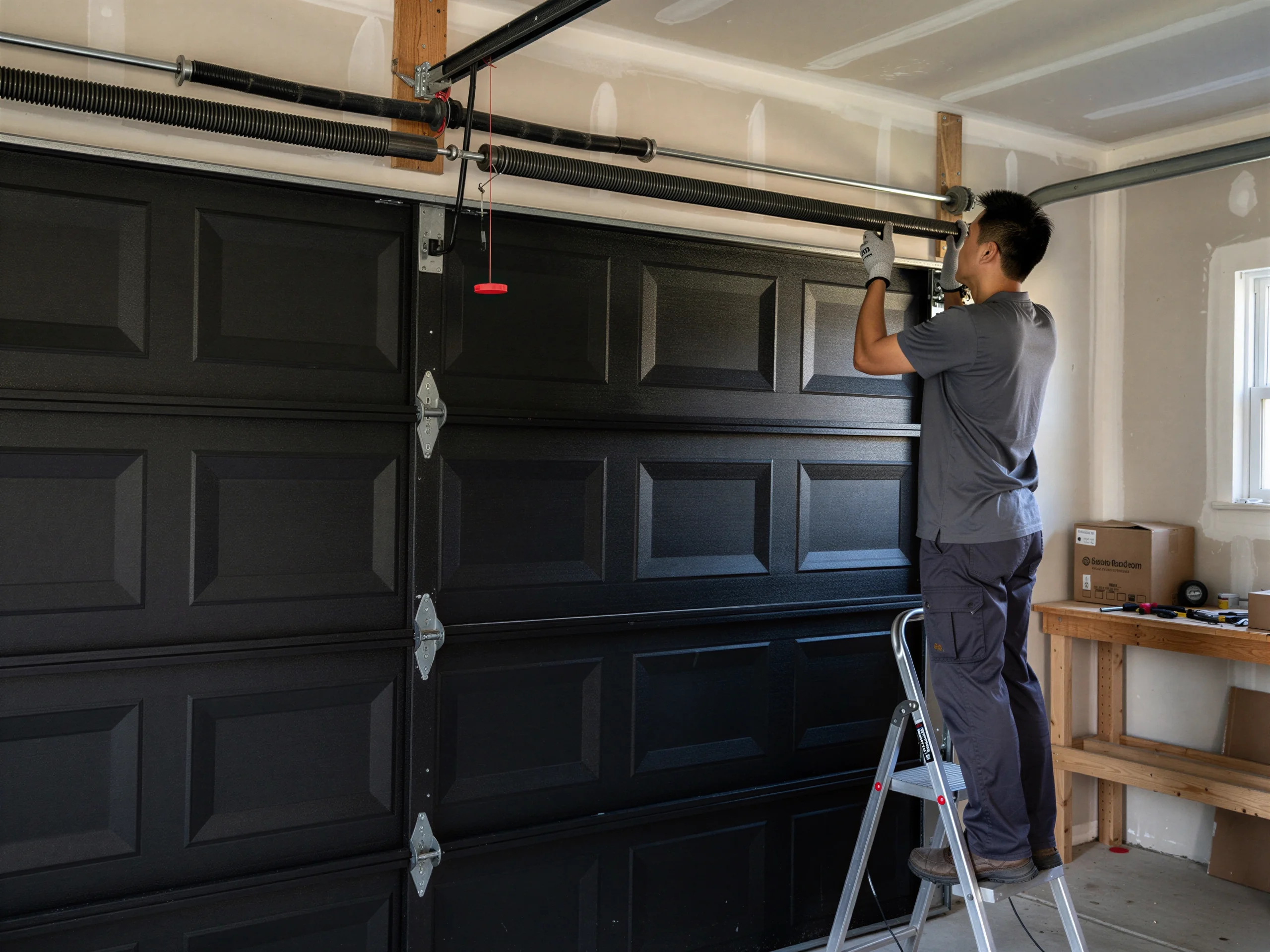
On a 1996-era door, we start by checking the torsion spring wind and the track alignment before touching anything else, because doors from this build period were hung with springs sized for the original door weight - if a previous owner swapped panels or added insulation, the spring can be undersized and wearing out faster than it should.
Cable tension both sides
We test cable tension on both sides, not just the side that's making noise, since a fraying cable on one drum usually means the other isn't far behind.
Check limits before motor
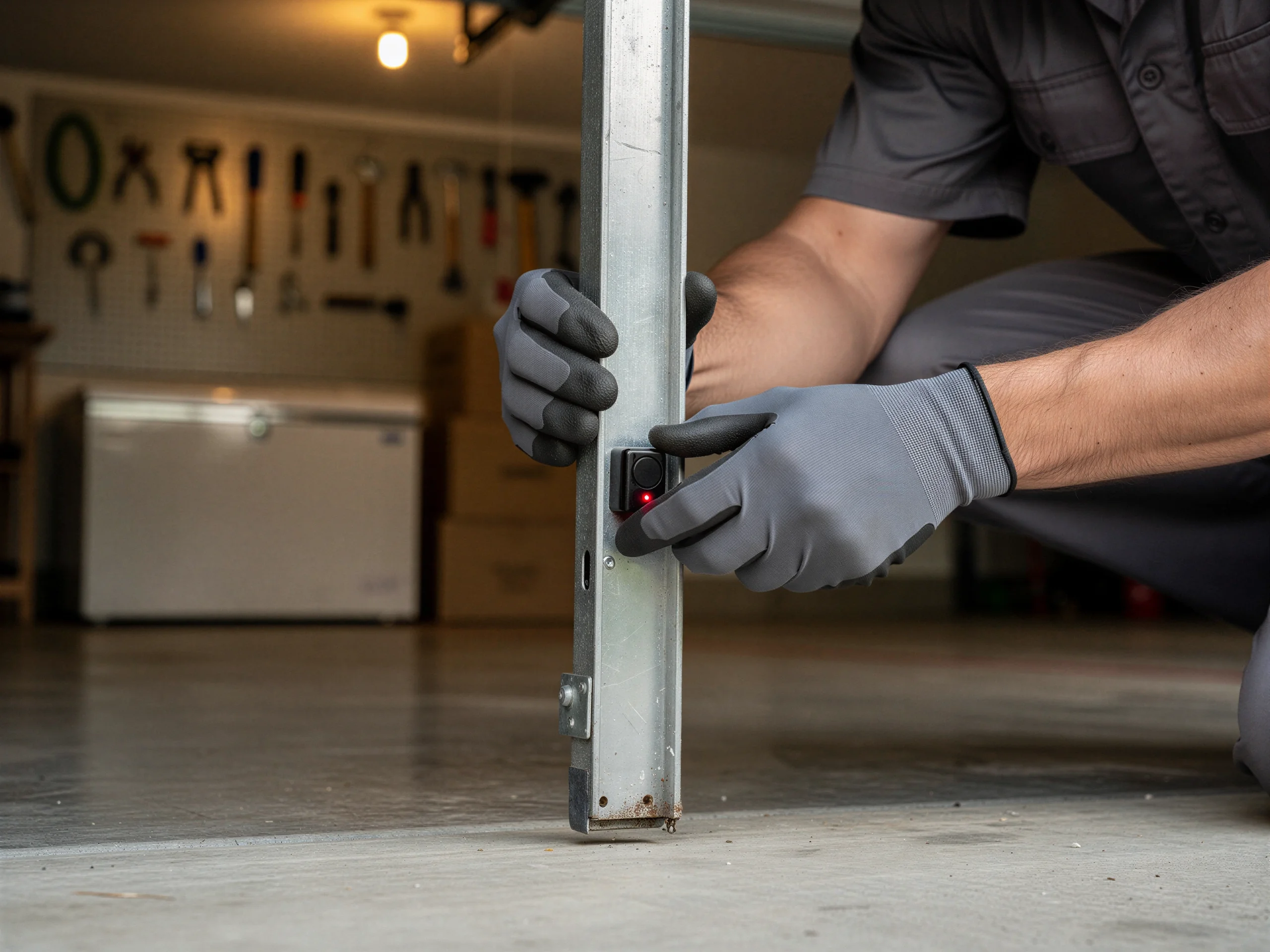
For openers, we check the travel limits and force settings before assuming the motor is bad; half the 'dead opener' calls on doors this age turn out to be a sensor knocked out of alignment, not a failed unit.
Replace only failed parts
We replace what's actually failed. We don't swap a full opener when a sensor realignment and a $20 part solves it, and we'll say so even if it means a smaller invoice.
Where This Job Goes Sideways
The most common surprise on a Euharlee call is a door that's been fine for years suddenly binding because the original torsion spring, sized for a lighter uninsulated door, is now working against a heavier insulated replacement panel installed at some point after the house was built. That mismatch doesn't show up until the spring is near the end of its cycle count, and by then it's not a five-minute fix - it's a full spring recalculation. The other place this goes sideways is openers with proprietary logic boards from manufacturers that don't make that exact board anymore; mid-90s doors are old enough that some opener models are discontinued, and if yours is one of them, replacement beats repair. We'll tell you if we hit that wall instead of quoting a part we can't get.
Talk to a local pro
Garage door service in Dallas?
Same-day service with honest, upfront quotes.