Where This Job Goes Sideways
Most of the opener calls we get out of Temple aren't the same calls we get five miles closer to Dallas. Houses here mostly went up after 2002, which puts them well past the median build year of 1988 you see across the rest of the service area.
Second-generation opener drives
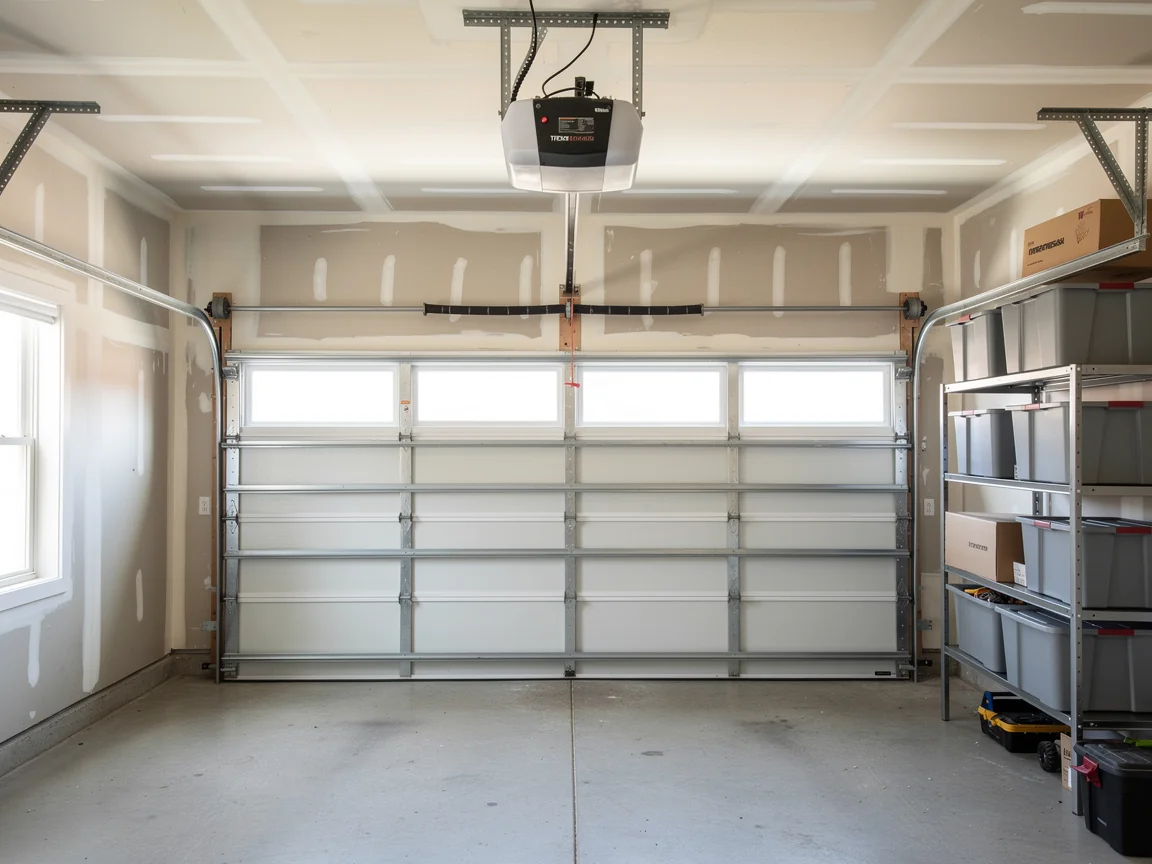
That means the openers failing in Temple right now are second-generation chain and belt drives with circuit boards, not the bare-bones mechanical units from the 70s and 80s. The fault pattern follows the hardware.
Dried capacitors on boards
Boards from the early 2000s through the mid-2000s are old enough now that capacitors dry out and logic boards stop taking a signal cleanly - the door hums, the light blinks, but the carriage doesn't move.
Lighter sensor brackets
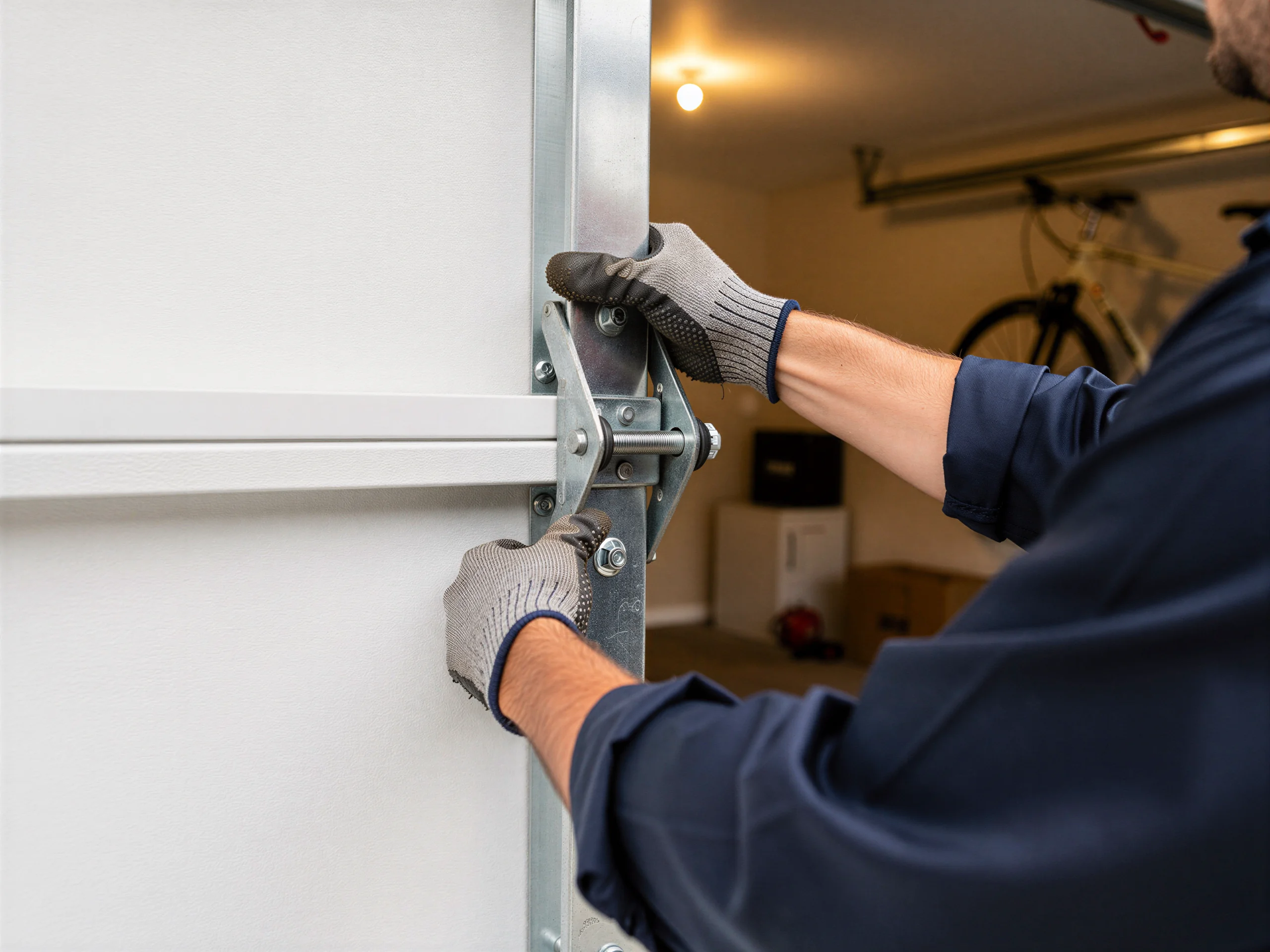
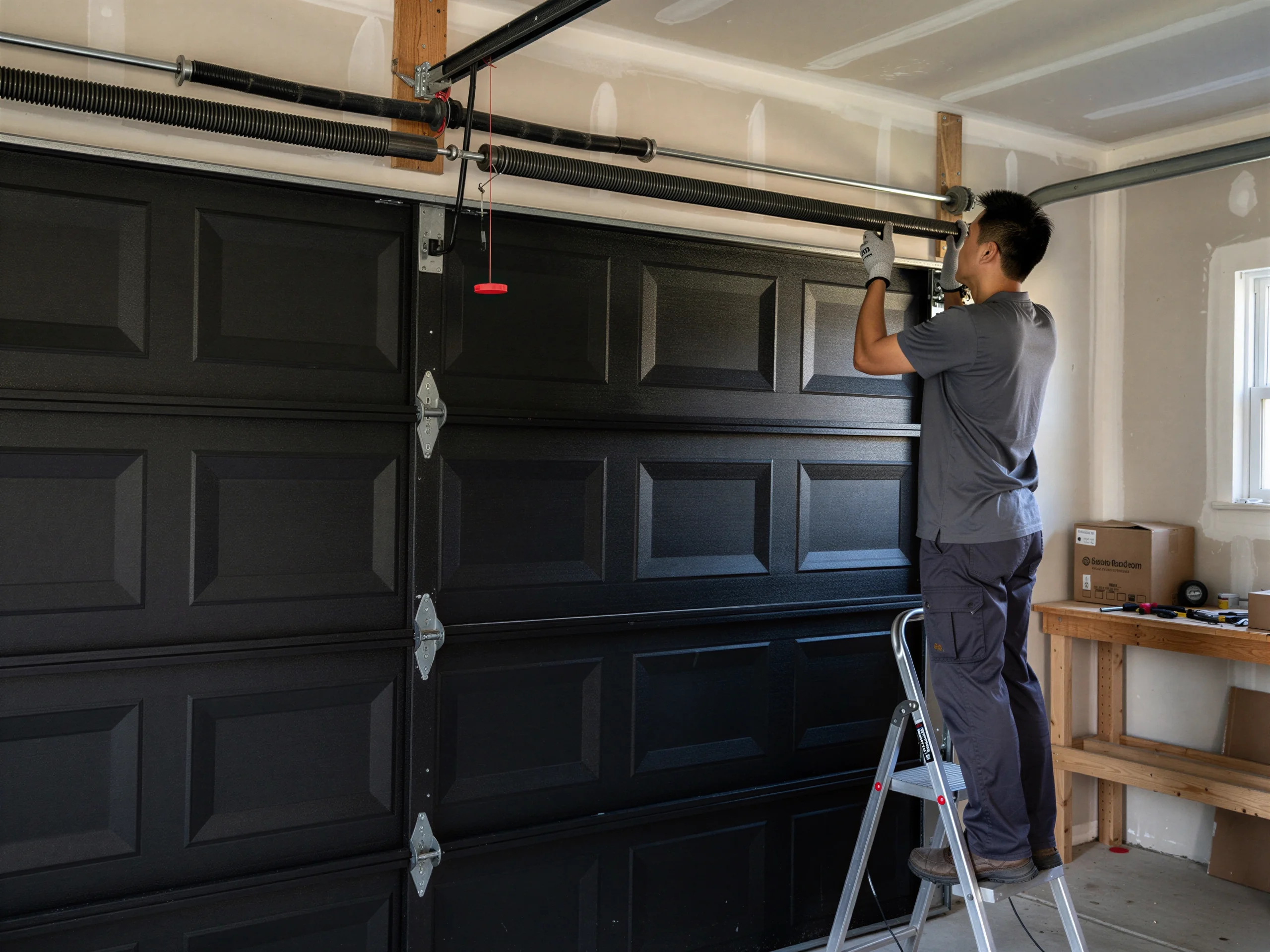
We also see a lot of safety-sensor misalignment on these newer installs, since the brackets used in that build era were lighter gauge than what gets installed today and they get knocked out of true by a bump or a settling slab. It's rarely the motor itself. It's almost always the board, the sensor eye, or a logic board that's lost its memory after a power blip.
Booking a Visit
We run this call out of Dallas, 17 miles from Temple. We don't keep a branch or a truck staged out here, so when you call, tell us straight off that you're in Temple - it changes how we route the day and what we load before we leave the shop. We don't quote a response time for this stretch of the service area because the drive is part of the job, not an afterthought bolted onto it.
Give us the opener brand and, if you can read it, the model number off the sticker on the housing. For the newer boards common in Temple, that number tells us whether we're dealing with a part we carry on the truck or one that needs an order.
What Is on the Truck
We stock the boards and sensor kits that fail most often on openers from the 2000s build era, since that's what Temple's housing stock is running. Logic boards for the common chain and belt-drive units, replacement photo-eye sensor pairs, and the wall control stations that pair to them are standard load-outs for a Temple call.
What we don't carry on every truck is a board for a discontinued opener model - some manufacturers stopped supporting units from that window, and if yours is one of them, we're ordering the part or talking you through a full opener swap instead of a board repair. That's the honest limit here: we won't pretend a part is in stock when it isn't, and we won't hold your door open on a promise.
How We Fix It
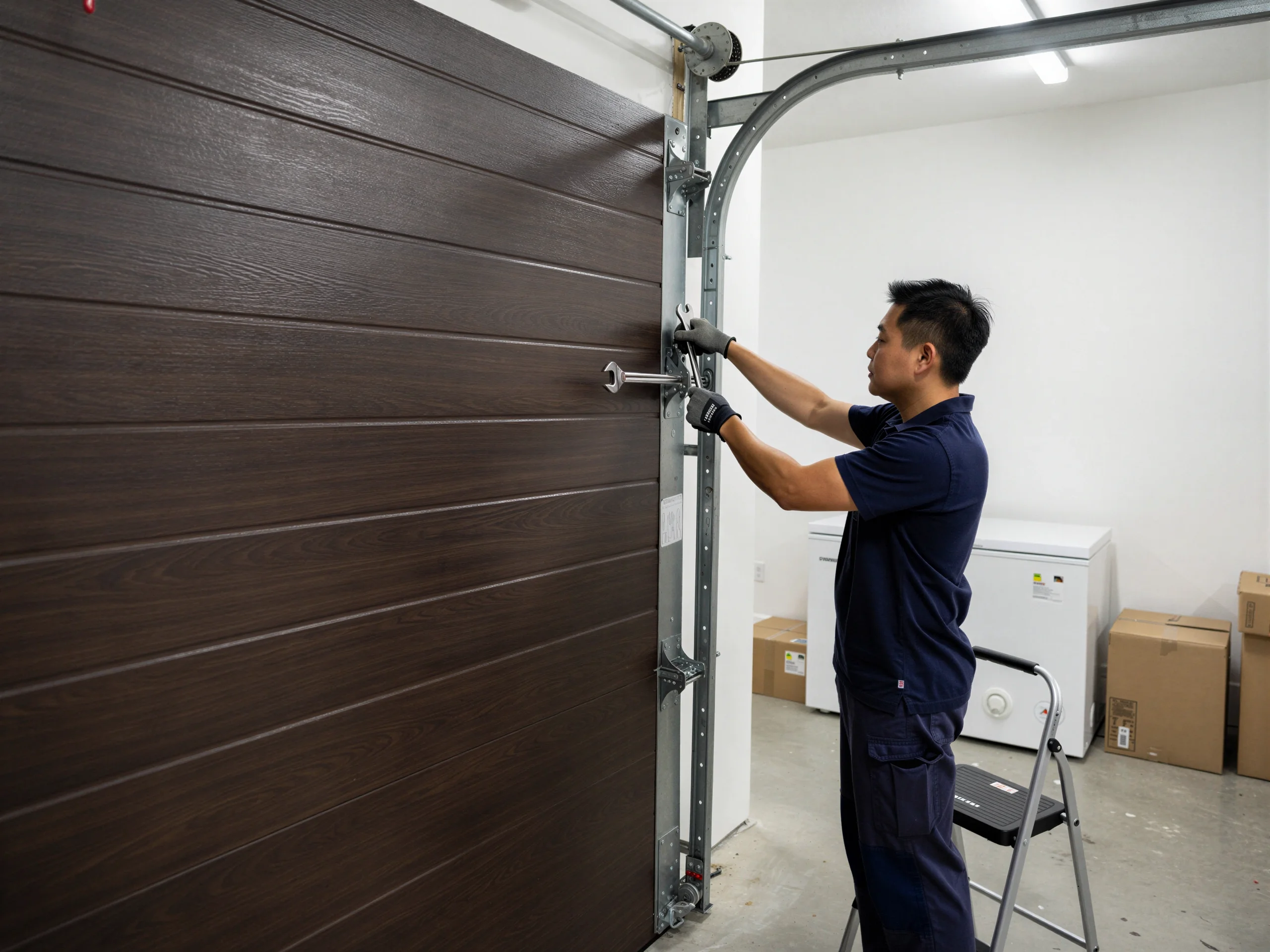
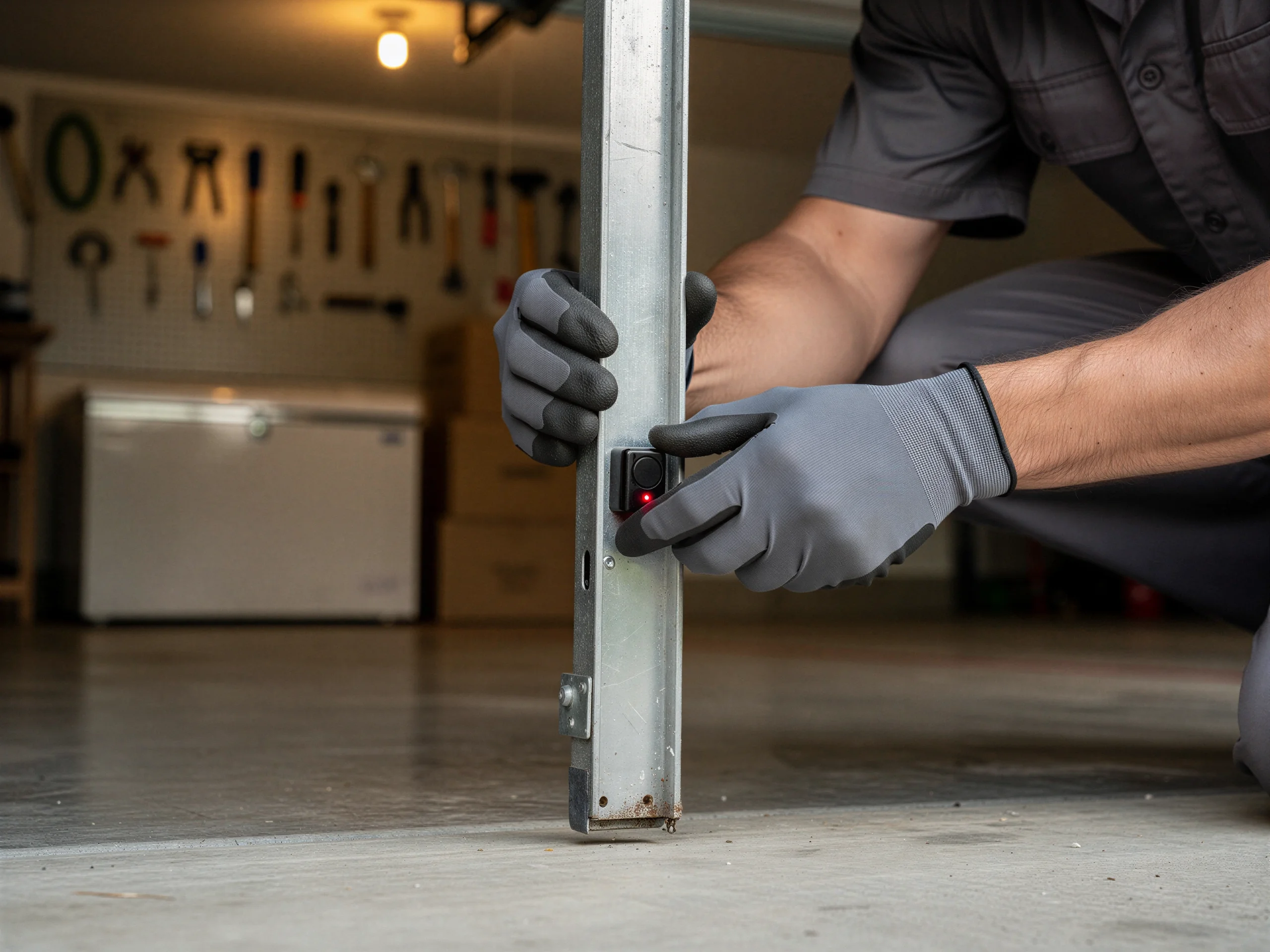
First thing we check on a Temple opener call is the sensor alignment, because it's the cheapest fix and the one most often mistaken for a dead motor.
Level-check sensor alignment
If the eyes are knocked out of line, the opener reads a blocked path and refuses to close no matter what the remote says. Five minutes with a level usually settles it. If the sensors check out, we pull the cover and test the board directly - voltage in, voltage out, and whether the logic circuit is actually firing the relay.
Board memory reset
A board that's lost its memory after a storm or a breaker trip sometimes just needs a reset and a reprogram of the remotes; a board with a burnt trace needs replacing outright.
Limit testing after swap
We test the travel limits and force settings after any board swap, since a door that closes too hard on its own sensor is a liability we're not willing to leave behind.
How Long It Takes
A sensor realignment or remote reprogram is usually done inside thirty minutes once we're on site. A board replacement runs longer, closer to an hour, because we test the full cycle afterward rather than hand you keys and leave.
What adds time on a Temple job specifically is parts availability. If your opener needs a board we don't carry for that build era, you're looking at an order and a second trip, not a same-visit fix. We'd rather tell you that up front than stretch the first visit out pretending we can finish something we can't.
Talk to a local pro
Garage door service in Dallas?
Same-day service with honest, upfront quotes.