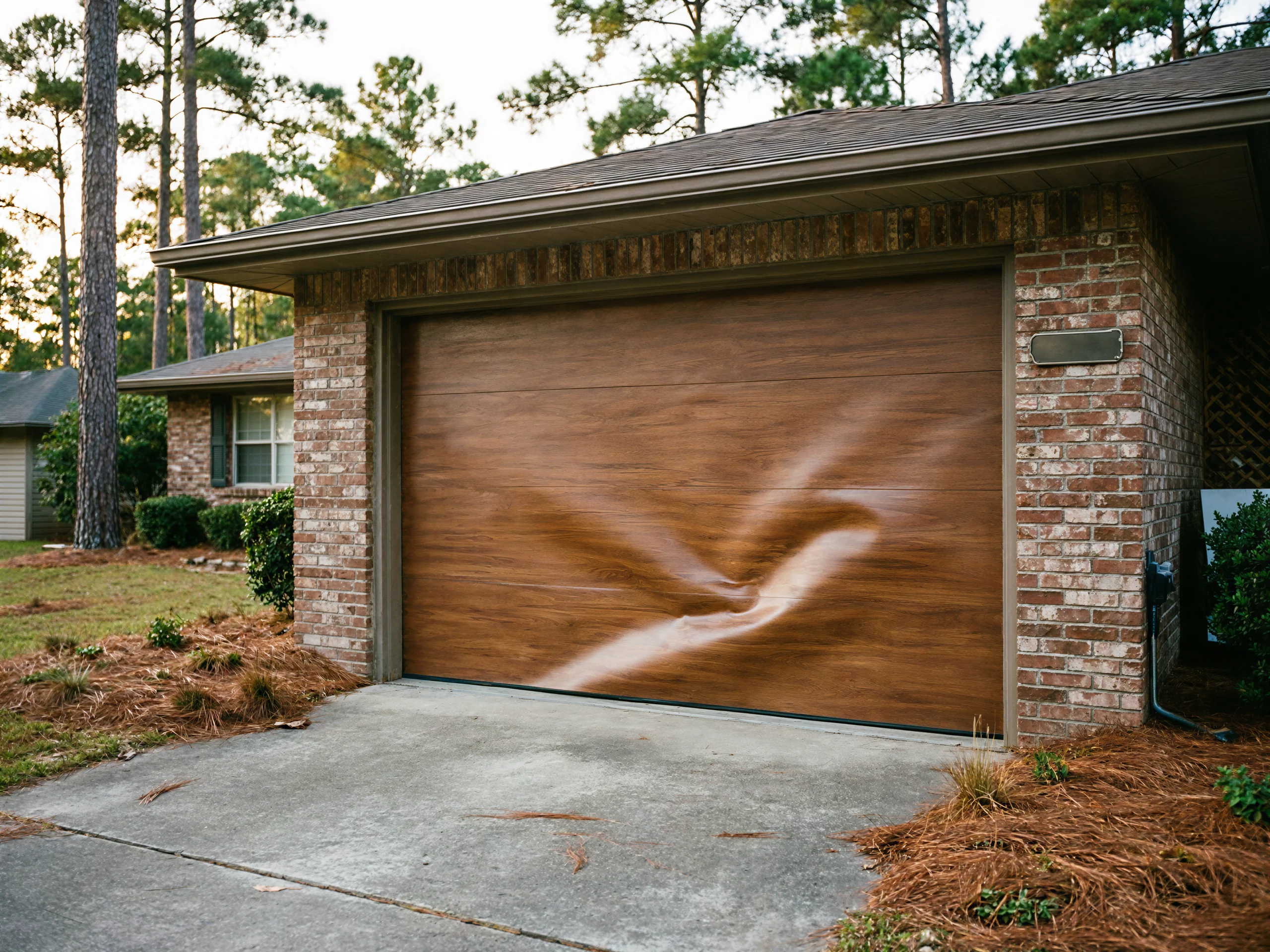
What You Are Seeing
Most of the garage doors in Emerson went up around 1984, a few years ahead of the 1988 median for the wider Dallas Door Pros service area, which runs from 1970 through 2004 depending on the pocket.
Mid-eighties build age
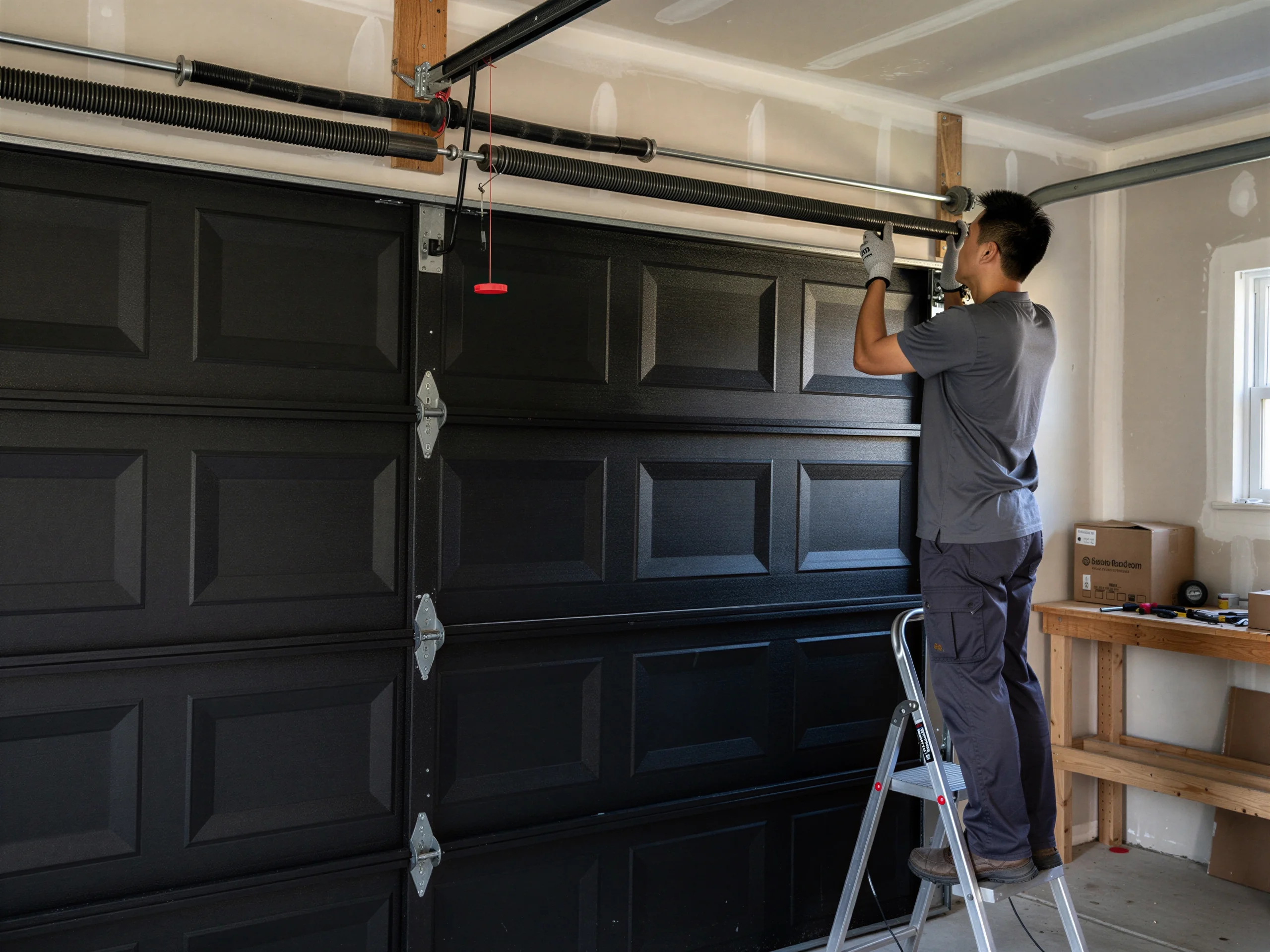
That earlier build date matters more than people think. A door from the mid-80s almost always means a torsion spring system that's had four decades to cycle, original hinges that were never rated for today's heavier insulated panels, and a track alignment set once and never touched since.
Winter grease and tension
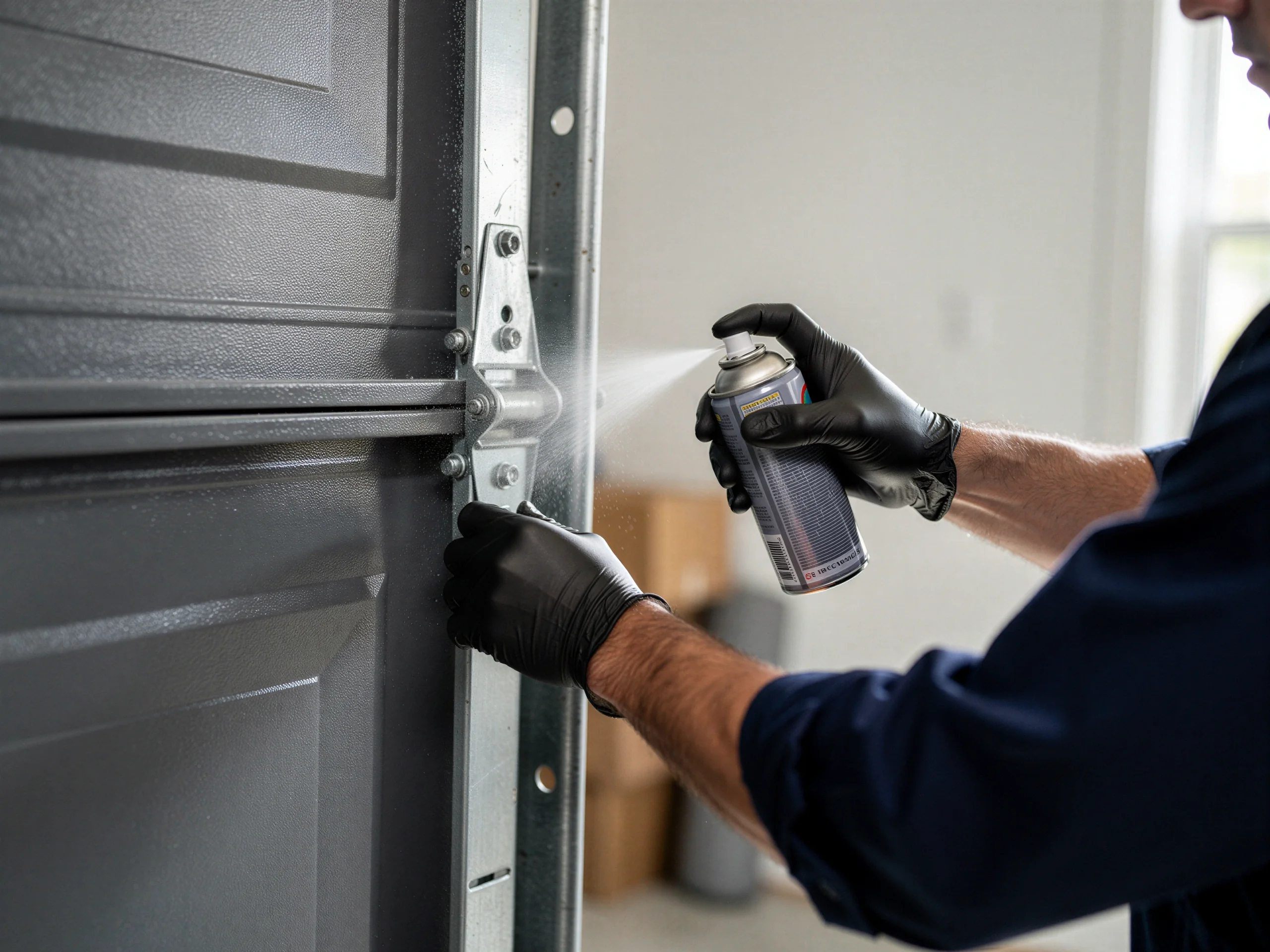
The climate here is on the cold-moderate side, which is kinder to doors than a true freeze-thaw zone, but it still means grease hardens in winter and springs lose a little tension every season they sit through.
Noise before failure
On a door this age, that's often the difference between a quiet close and a bang partway down the track. None of this shows up as an emergency right away - it shows up as noise first, then as a spring that lets go on a Tuesday morning.
The DIY Question
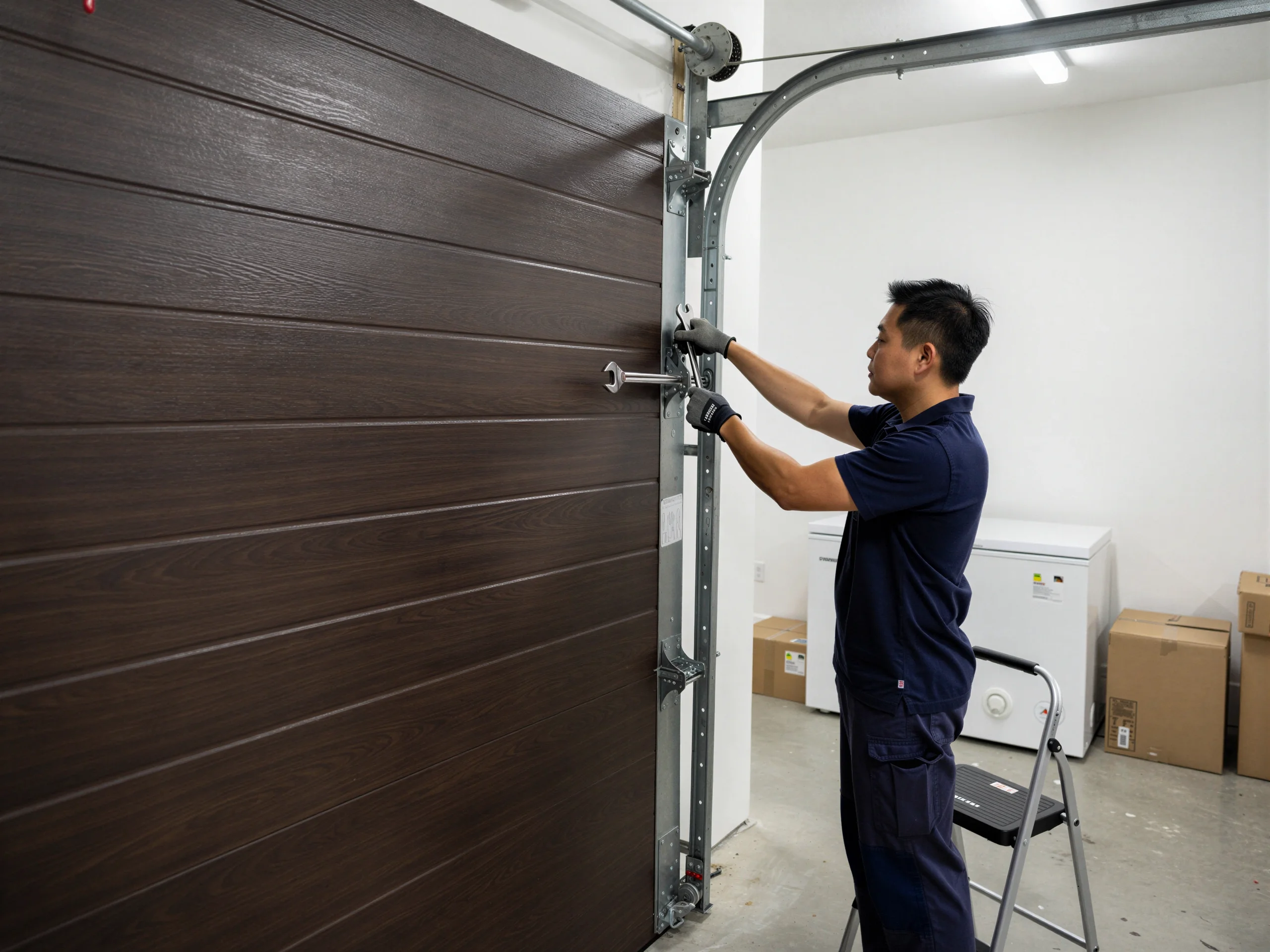
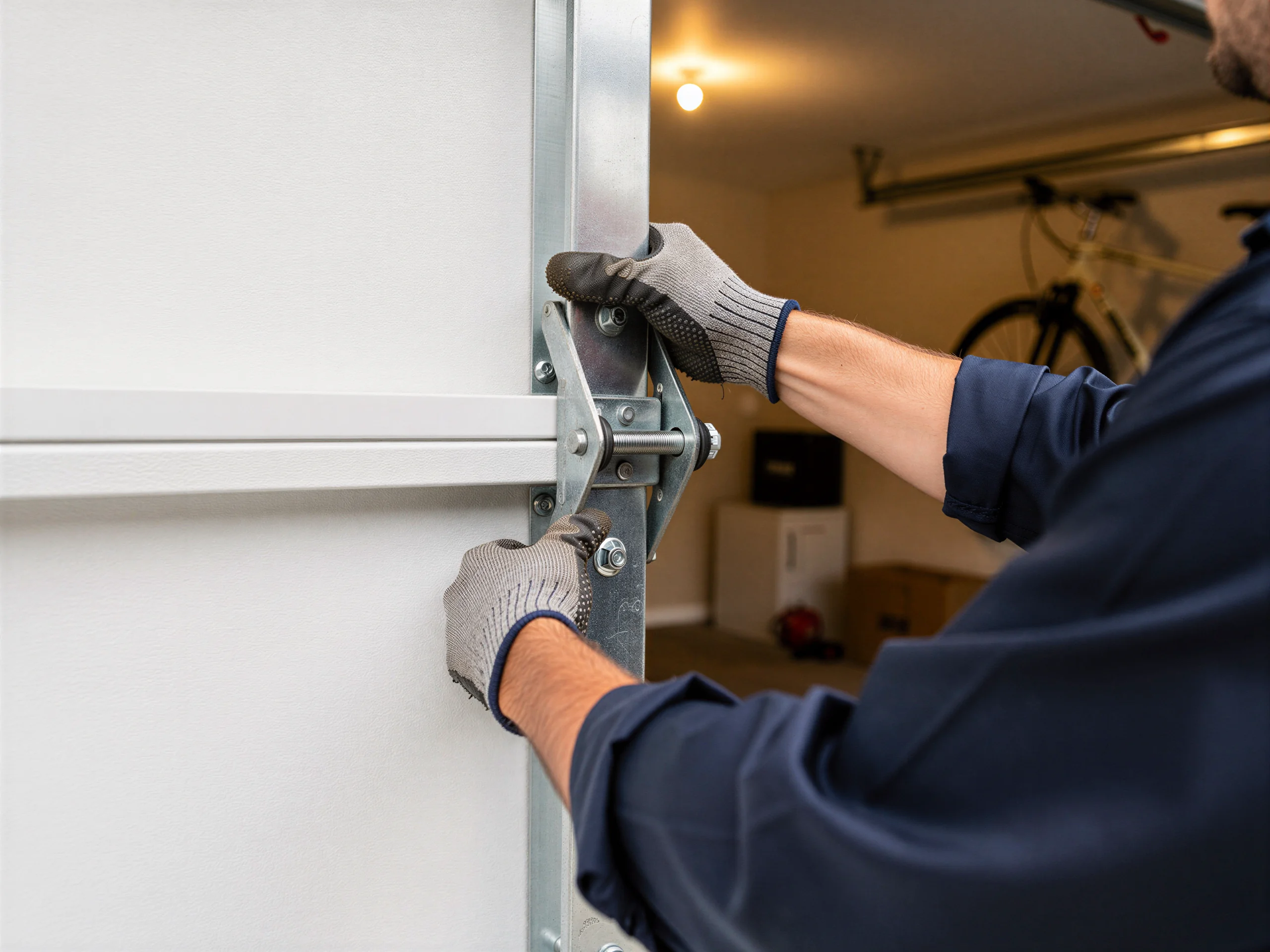
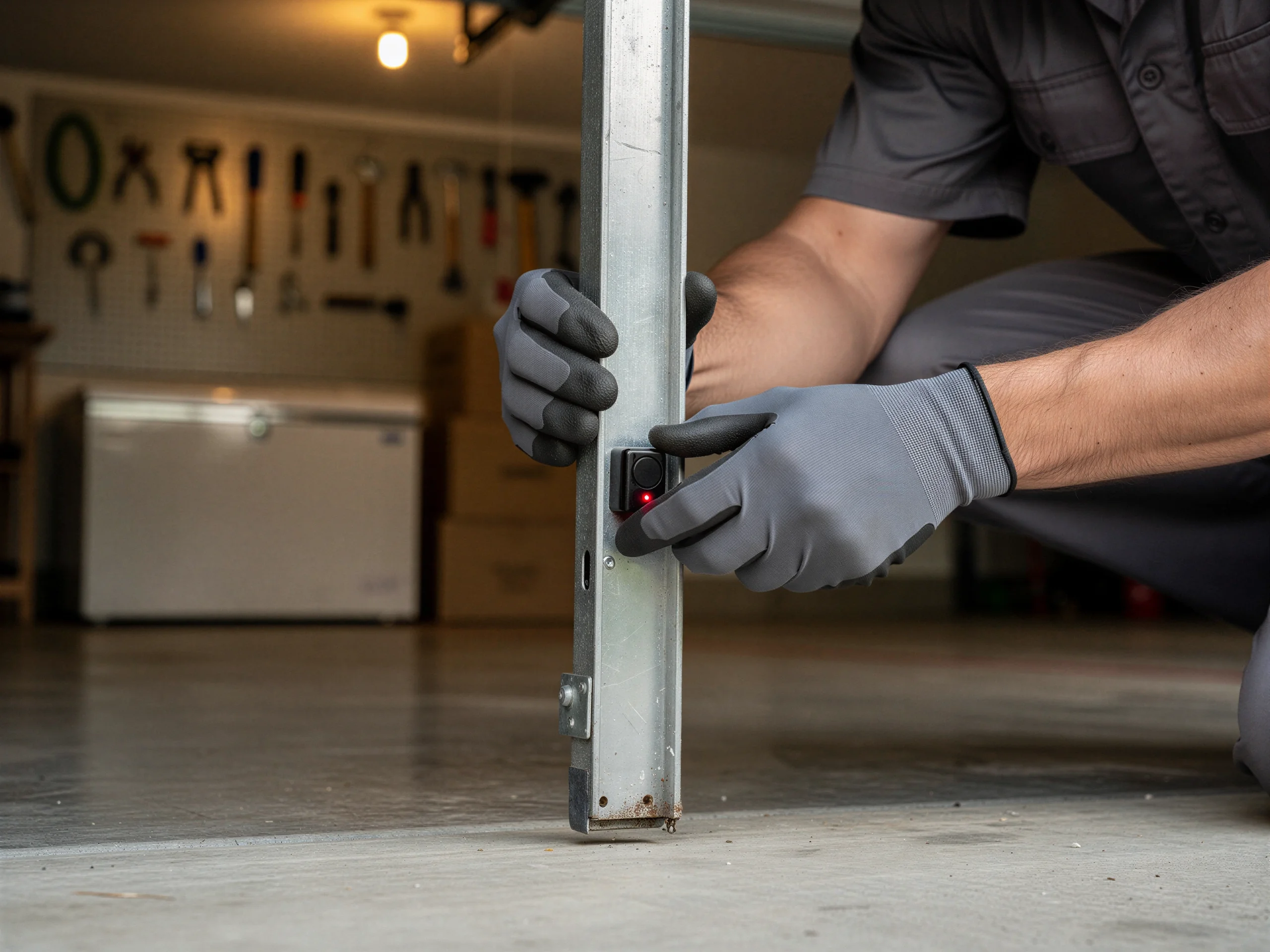
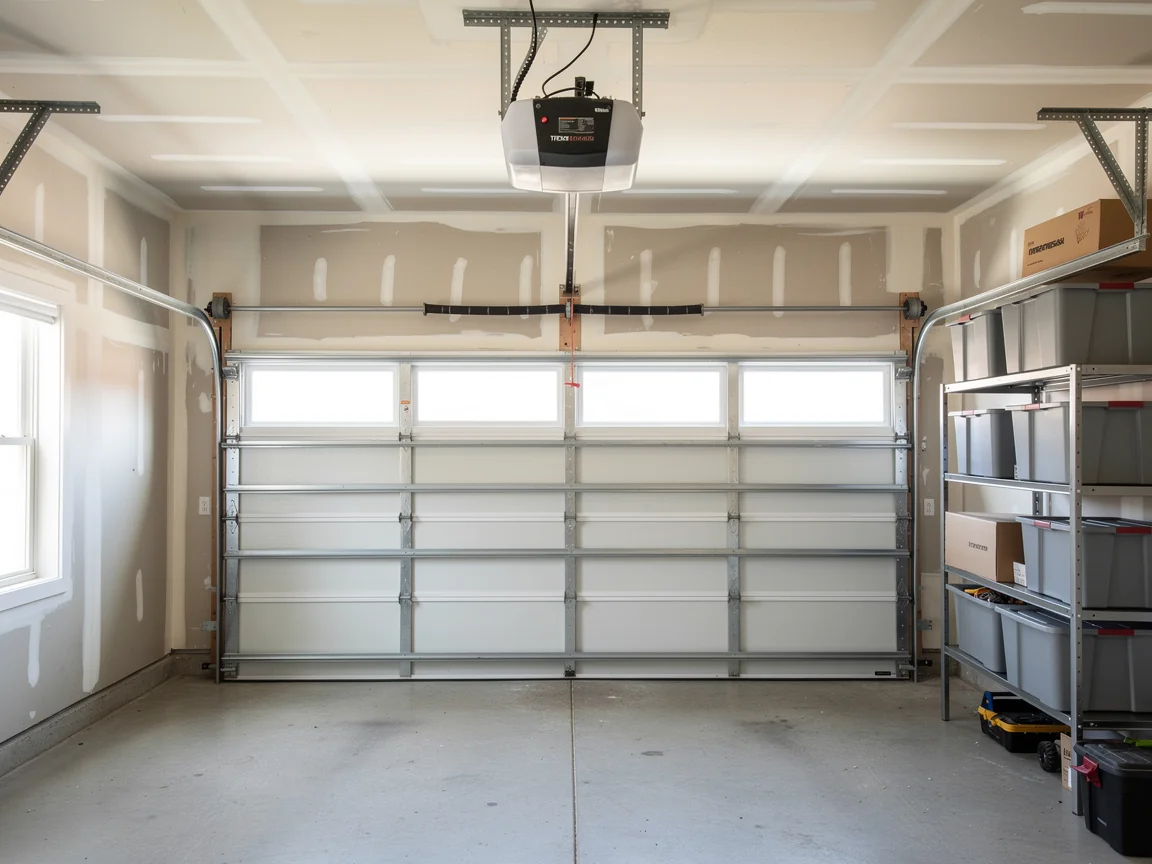
There's real maintenance a homeowner in Emerson can do without a truck showing up: wipe the tracks, check that the photo-eye sensors aren't knocked out of alignment, tighten the bolts on the roller brackets if you can reach them safely, and listen for new grinding or popping sounds that weren't there last season.
What we don't recommend you touch is the torsion spring itself, or anything on the high-tension side of a door built in the 1980s. These springs were sized for the original panel weight, and on a door this old you often can't tell how much life is left in the coil just by looking at it. We also don't recommend re-tensioning an old spring as a stopgap - if it's original to a 1984 build, it's due for replacement, not adjustment, and treating it as a tune-up item instead of a parts item is how people get hurt.
Where This Job Goes Sideways
On a house from this era, the failure that catches people off guard isn't the spring - it's everything the spring was quietly compensating for.
Oval rollers overload springs
Rollers worn oval from thirty-plus years of use put extra load on the spring every single cycle, so a spring that should've lasted another few years gives out early. Lift cables on doors this age fray at the drum, not in the middle where you'd see it, so the first sign is often a door that hangs crooked for one cycle before it doesn't come down right at all.
Catch wear on one visit
Because Emerson sits sixteen miles out from Dallas, we're not doing walk-up diagnostics - a maintenance visit here needs to actually catch the wear before it becomes a stuck or dropped door, since a second trip out for a part we didn't know we needed costs you the wait.
Uncommon part sizes
That's the honest limitation: if a part turns out to be a size this era doesn't commonly use anymore, it may need to be ordered rather than pulled off the truck that day.
What Is on the Truck
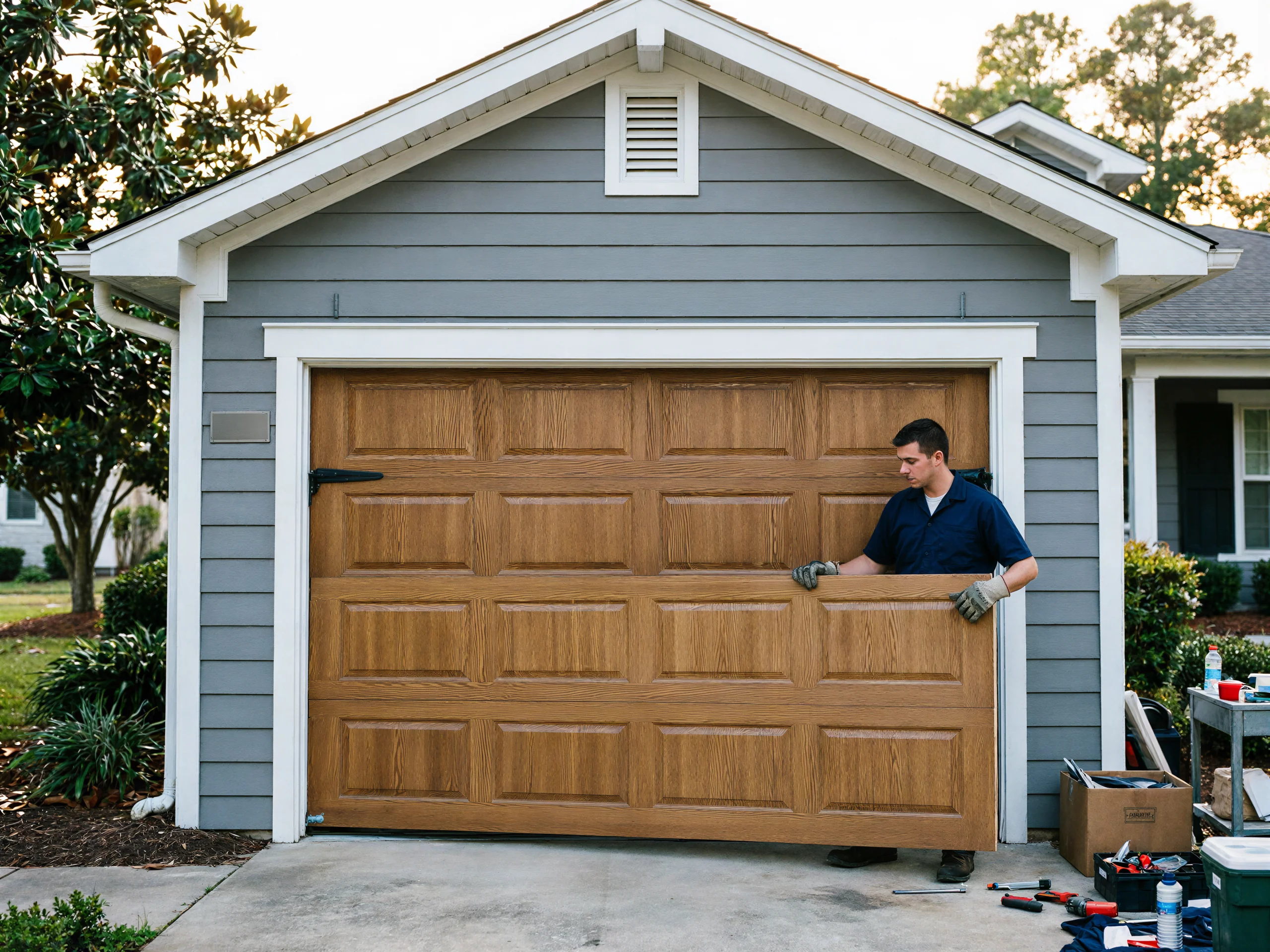
For a maintenance call out to Emerson, the truck carries what fits a 1980s-built door: standard torsion springs in the sizes common to that construction era, roller and hinge sets, lift cable, and the lubricant and sensor hardware that cover most tune-up visits in one trip. What it doesn't carry is an unlimited parts inventory - some original hardware from a 1984 build has been superseded, and if your door has something nonstandard, we'll tell you that on site rather than guess.
Because the drive from Dallas is sixteen miles each way, we ask Emerson customers to book the maintenance visit ahead rather than expect a same-day fit-in. It's a small ask that saves a second trip. If your door needs more than a tune-up - a full spring swap or panel replacement - that's covered on our Emerson repair page, not this one.
Talk to a local pro
Garage door service in Dallas?
Same-day service with honest, upfront quotes.