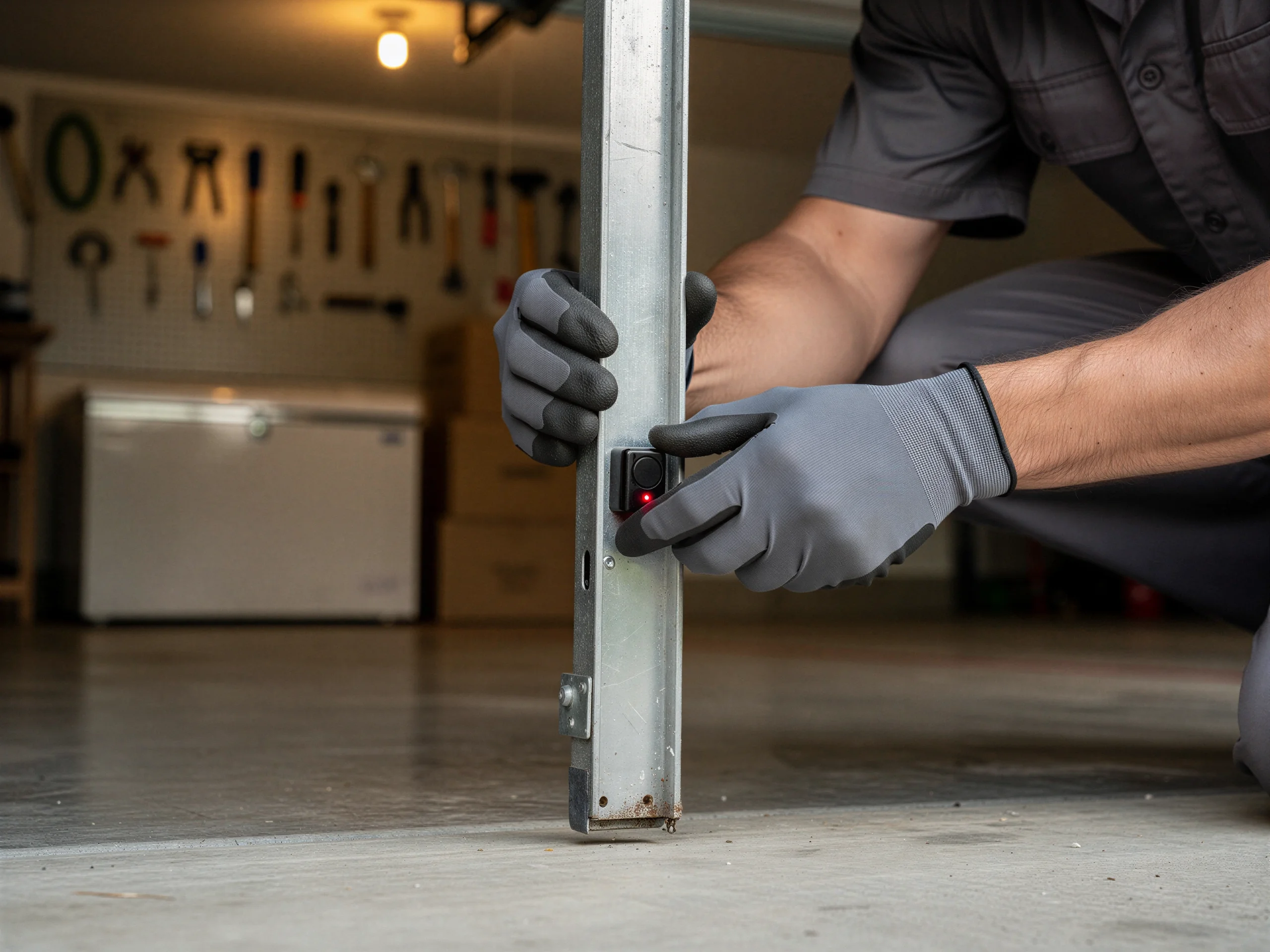
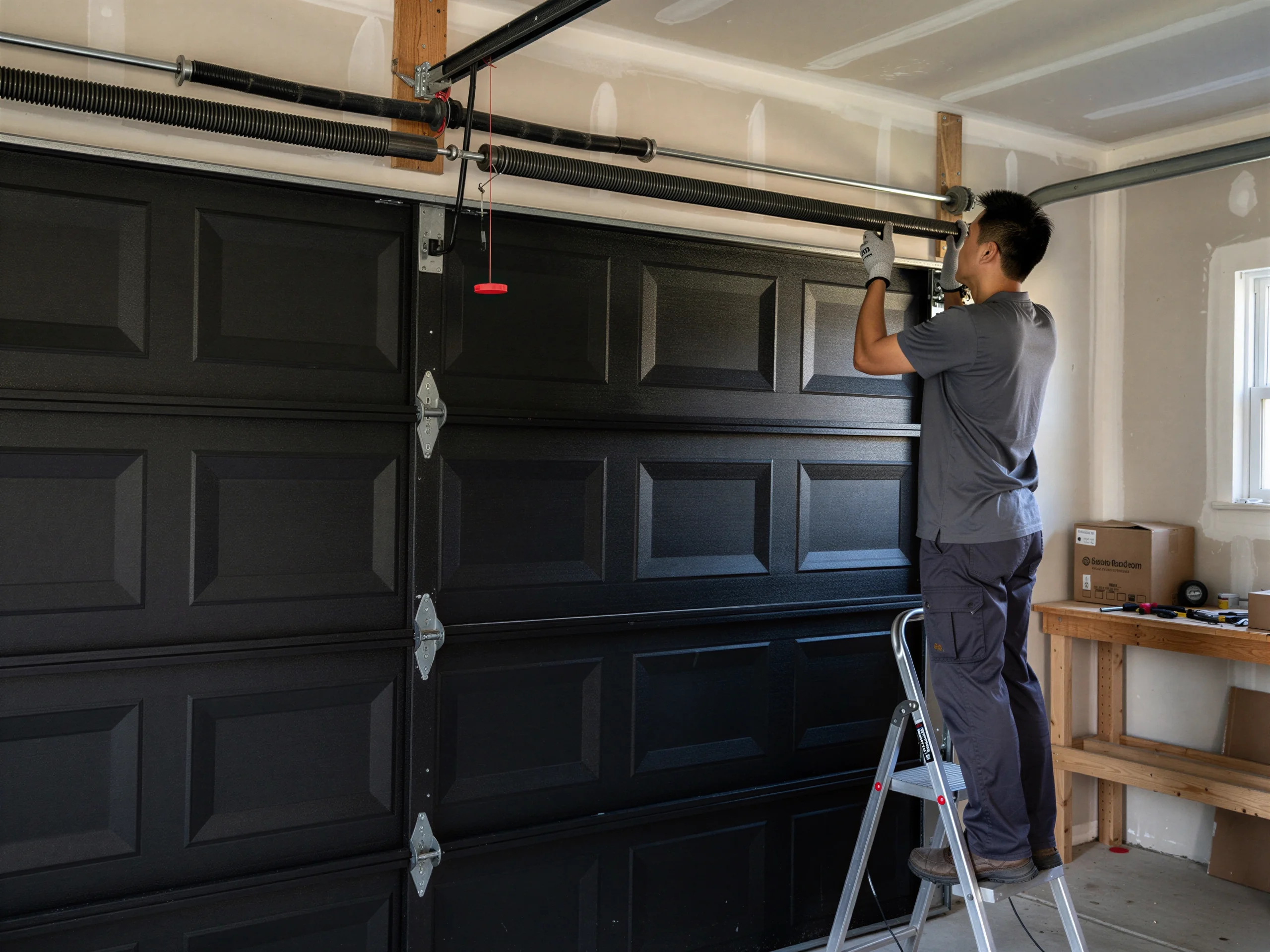
What You Are Seeing
Emerson sits about 16 miles out from our shop in Dallas, and the houses here tend to run a bit newer than what we see closer to home.
Local build window
The median build year out this way is 1984, which puts most garages into the same window covered by the area's broader stock - built roughly between 1970 and 2004, with a heavy concentration in the 1980s and 90s. That matters because a mid-80s door setup is a different animal from the older torsion systems we pull parts for elsewhere.
Lighter-gauge spring sizing
You're more likely looking at a standard extension or torsion spring sized for a lighter-gauge door than what went into homes built a decade or two earlier, and the winding cones and end bearing plates from that era wear in predictable ways.
Spring failure signs
A spring that lets go here usually gives you the same signs as anywhere - a door that won't lift past a foot, a loud bang from the garage, cables that look loose - but the hardware underneath it is tuned to when the house was actually built, not to some generic age. We work from what's actually installed, not a guess based on the neighborhood's reputation.
The DIY Question
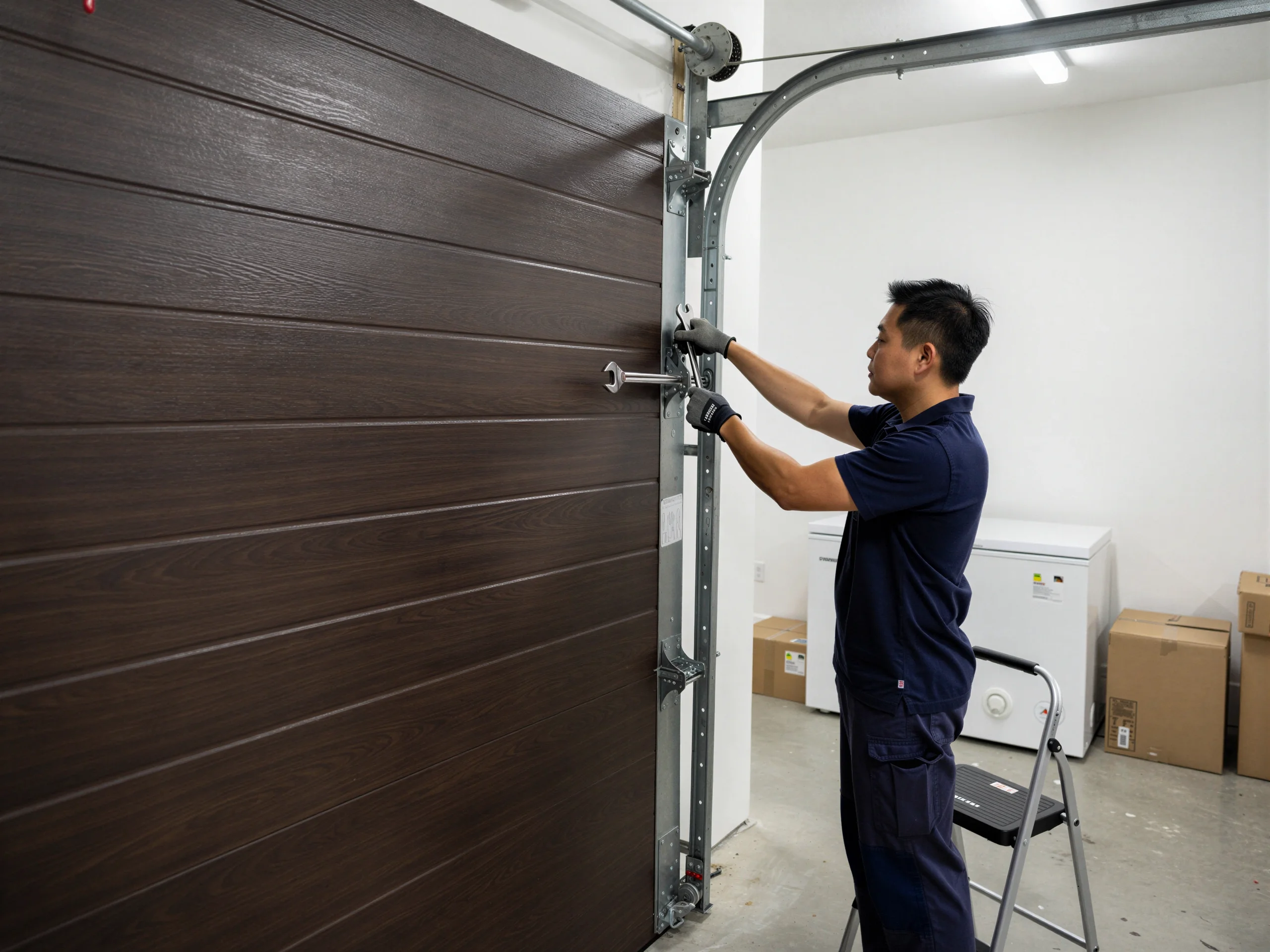
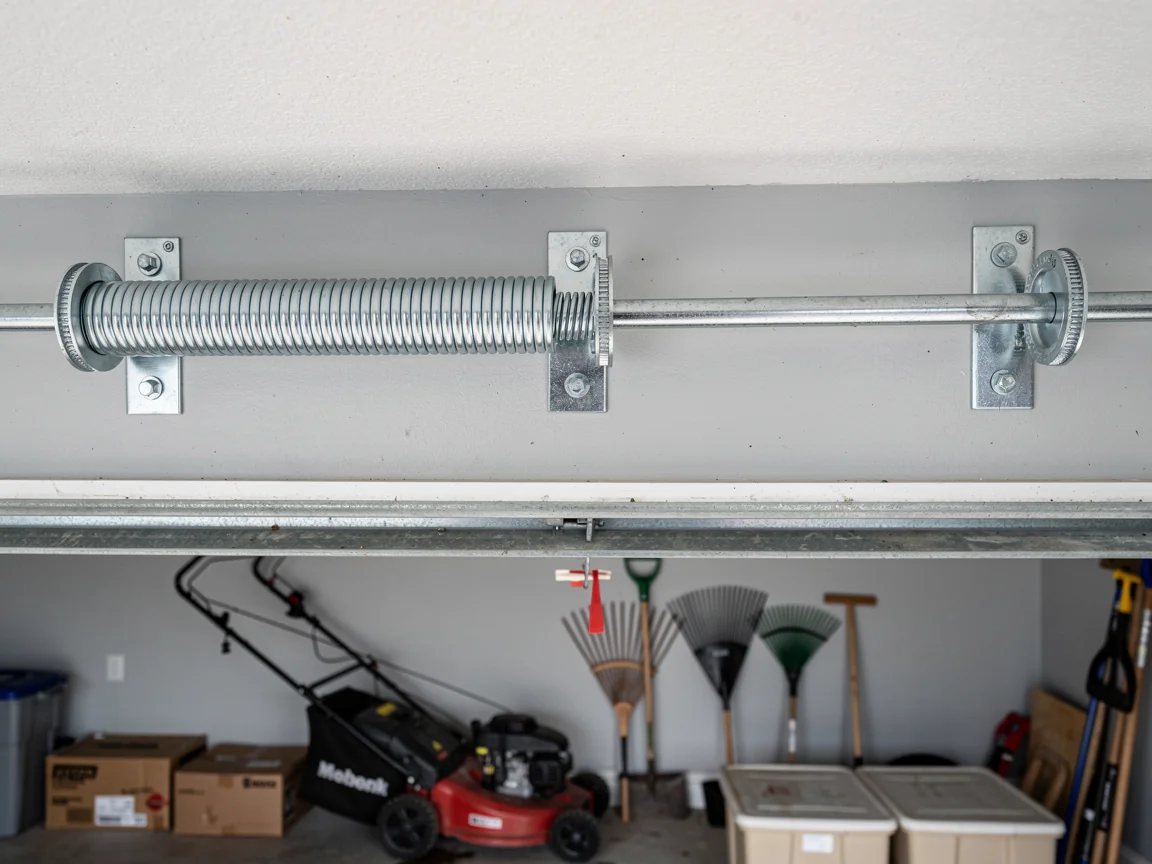
Torsion springs are wound under enough tension to break a bone or worse if the winding bars slip, and that doesn't change because your house is newer.
Rusted original hardware
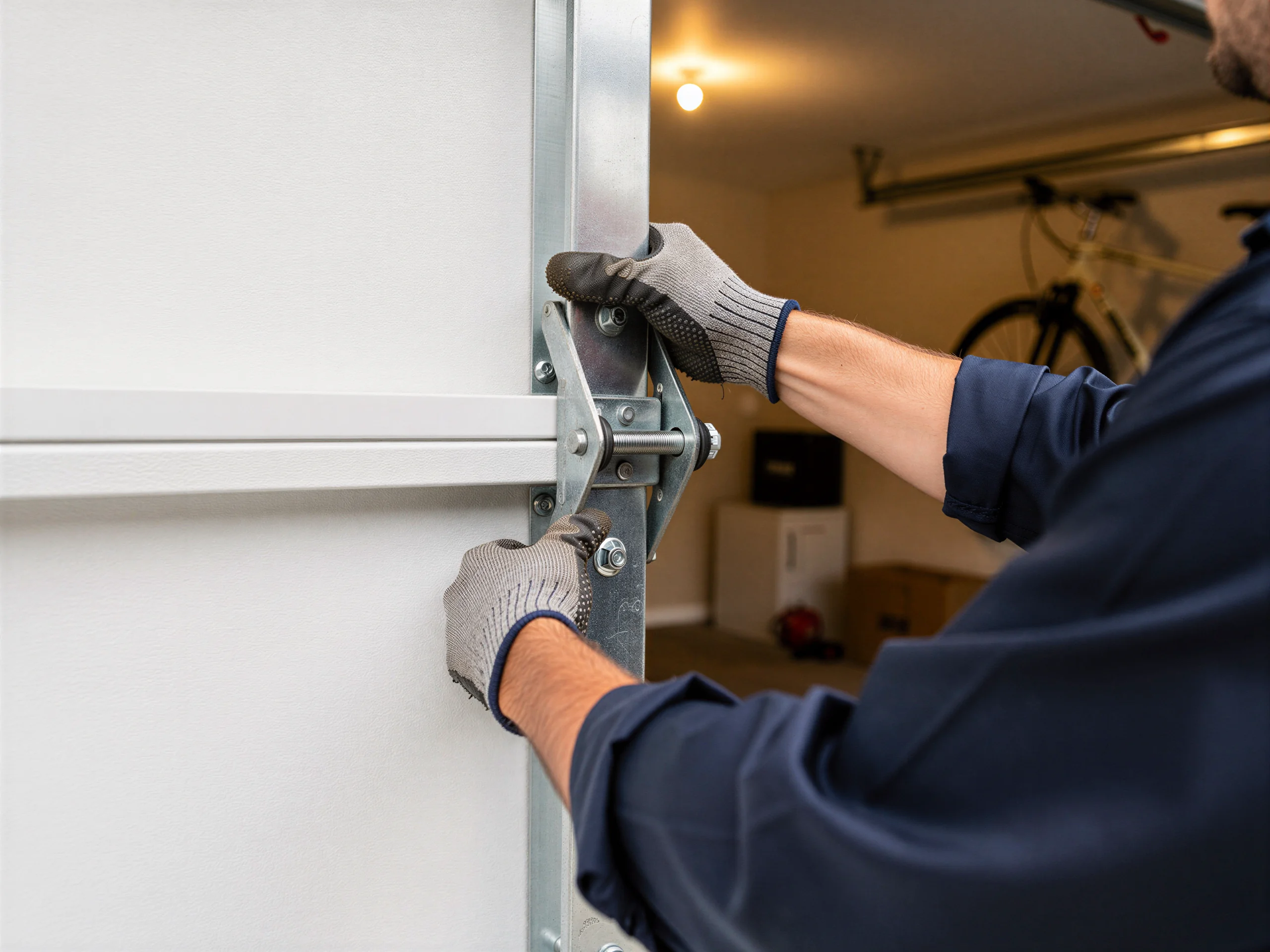
What does change with 1980s-era doors is that the hardware is often still original, so bolts and brackets have forty years of rust or paint build-up that makes removal trickier than it looks on a video.
Extension spring force
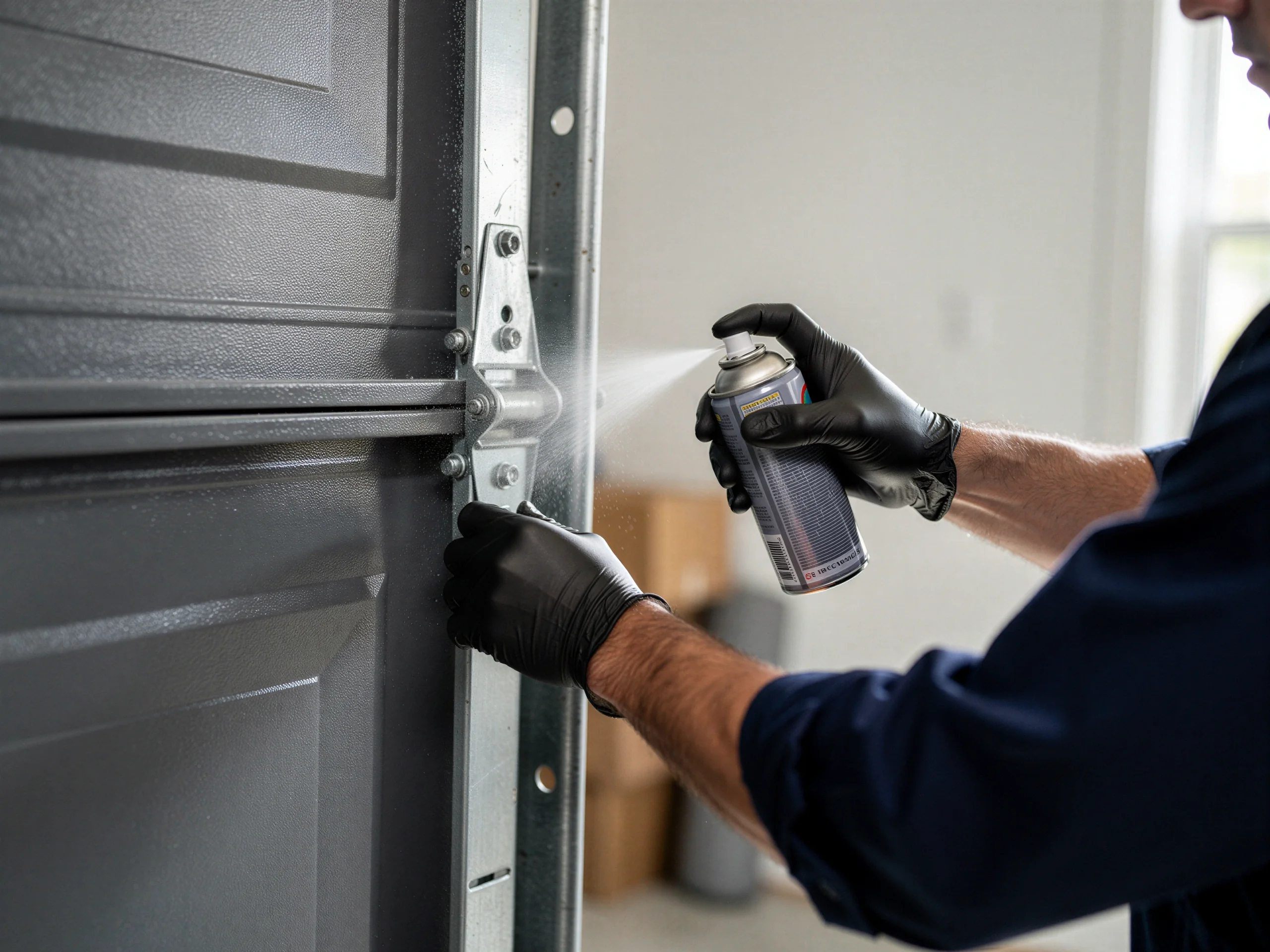
Extension springs are a bit more forgiving to look at but still carry enough stored force to put a cable through drywall. If you're set on doing something yourself, lubricating the track and hinges or checking that the door balances properly (disconnect the opener and lift by hand - it should hold at waist height) is reasonable.
Winding bars required
Replacing the spring itself is not a job we'd walk a homeowner through over the phone. We'll say plainly: if you don't have the right winding bars and a clamp to hold the door, don't start.
Where This Job Goes Sideways
The households in this part of the service area sit at a median income around $76,424, and we mention that only because it tends to mean owners want the repair done right the first time rather than patched twice - replacing a worn spring instead of just the cable it snapped, for instance. Where this job actually goes sideways on 80s-stock doors is the drum and cable system underneath the spring. If the spring failed because the cable frayed first, swapping just the spring without checking the drum grooves means you're back out here in a few months for the same call. Cold snaps in this climate band also stiffen the lubricant in older torsion units, which can mask a spring that's already near the end of its cycle count until a cold morning finishes it off. We check both ends of the shaft, not just the spring that broke, before we call the job done.
What Is on the Truck
We carry torsion and extension springs sized for the standard residential doors common to houses built from the 1970s through the 2000s, along with the cable, drums, and bearing plates that typically go bad alongside a spring in that age range. What we don't stock is anything custom-wound for an odd-sized or commercial door - if Emerson turns up a door outside the usual residential range, that part gets ordered and the job gets scheduled in two trips instead of one. We'd rather tell you that up front than have you wait on site for a part that isn't on the truck. For the standard stuff - the springs that match what's actually installed in most houses out this way - we carry enough on the truck to finish same visit.
Talk to a local pro
Garage door service in Dallas?
Same-day service with honest, upfront quotes.