What Is on the Truck
Start with the number that actually shapes this job: median household income in Hiram runs $80,278, noticeably higher than the $76,424 median across the rest of the service area.
Replace-leaning Hiram owners
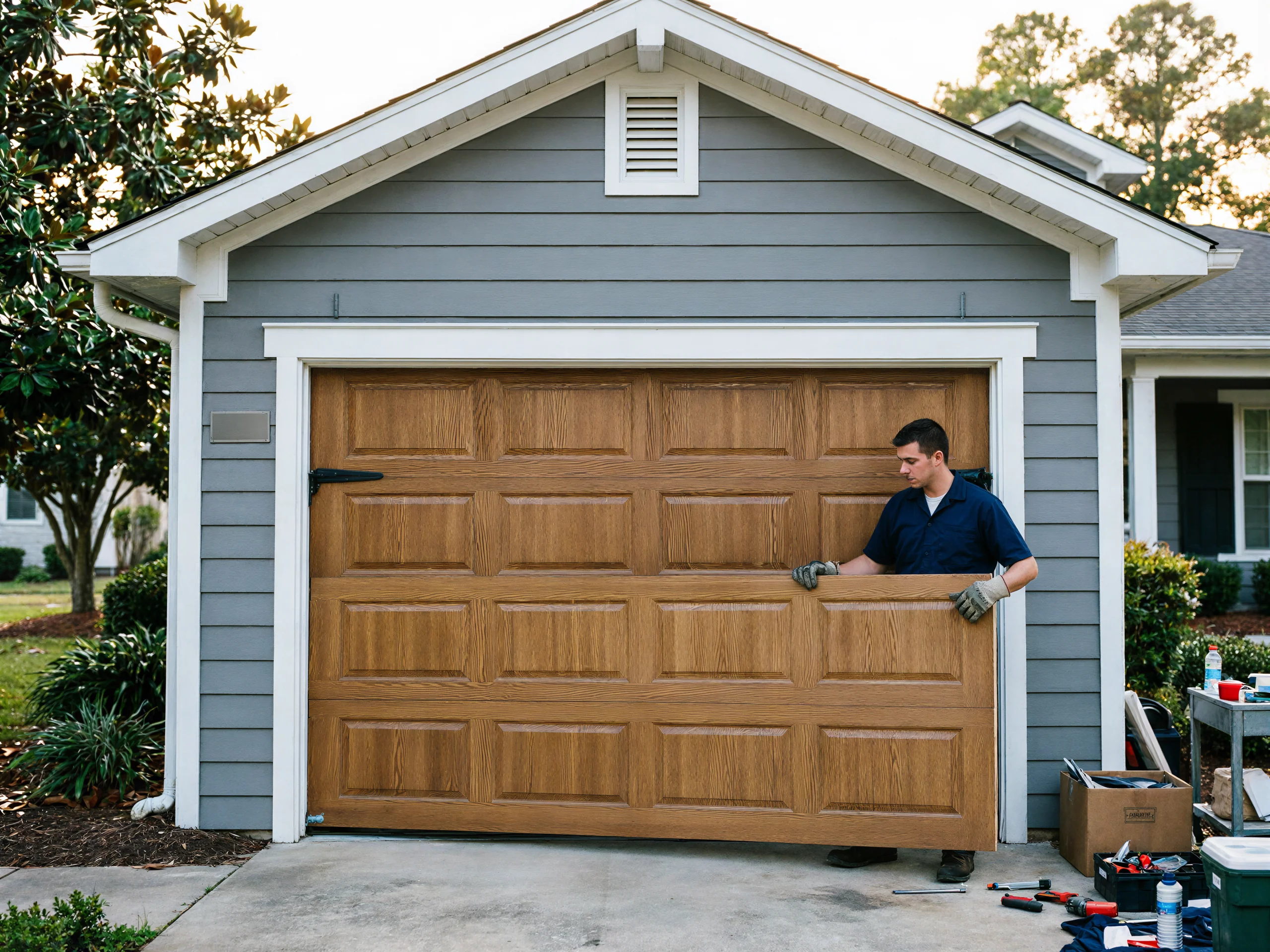
That matters because it changes where the repair-or-replace line falls. On a lower-income block, a homeowner stretches a 20-year-old door as far as it'll go. In Hiram, more owners decide a failing opener or a dented panel isn't worth nursing along, and they replace instead of patching - which changes what we load on the truck before we ever leave Dallas.
Newer median build year
The other number that drives the truck inventory is the housing stock itself. Hiram's typical house went up around 2004, a solid sixteen years newer than the service-area median of 1988.
Truck inventory for newer doors
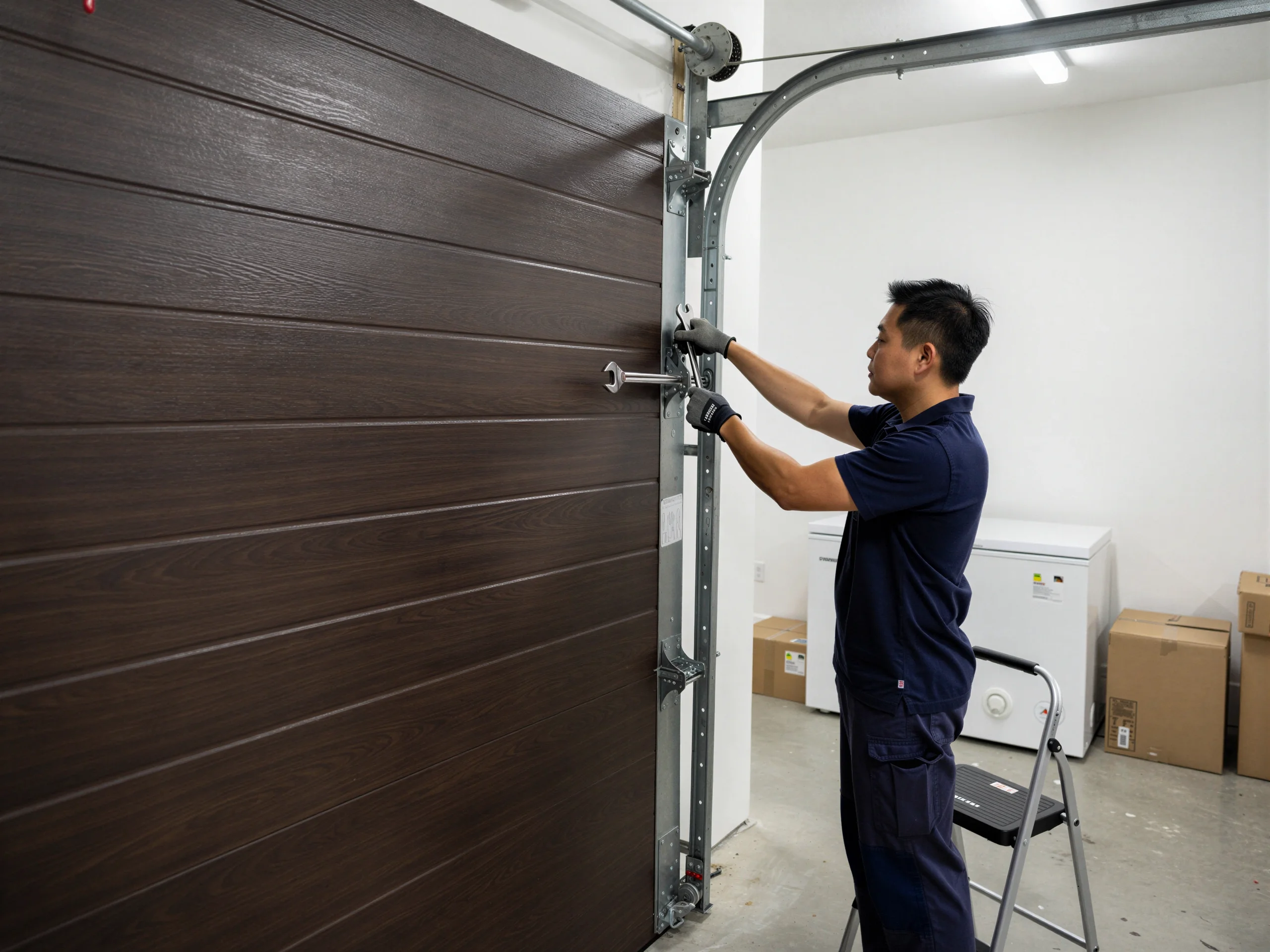
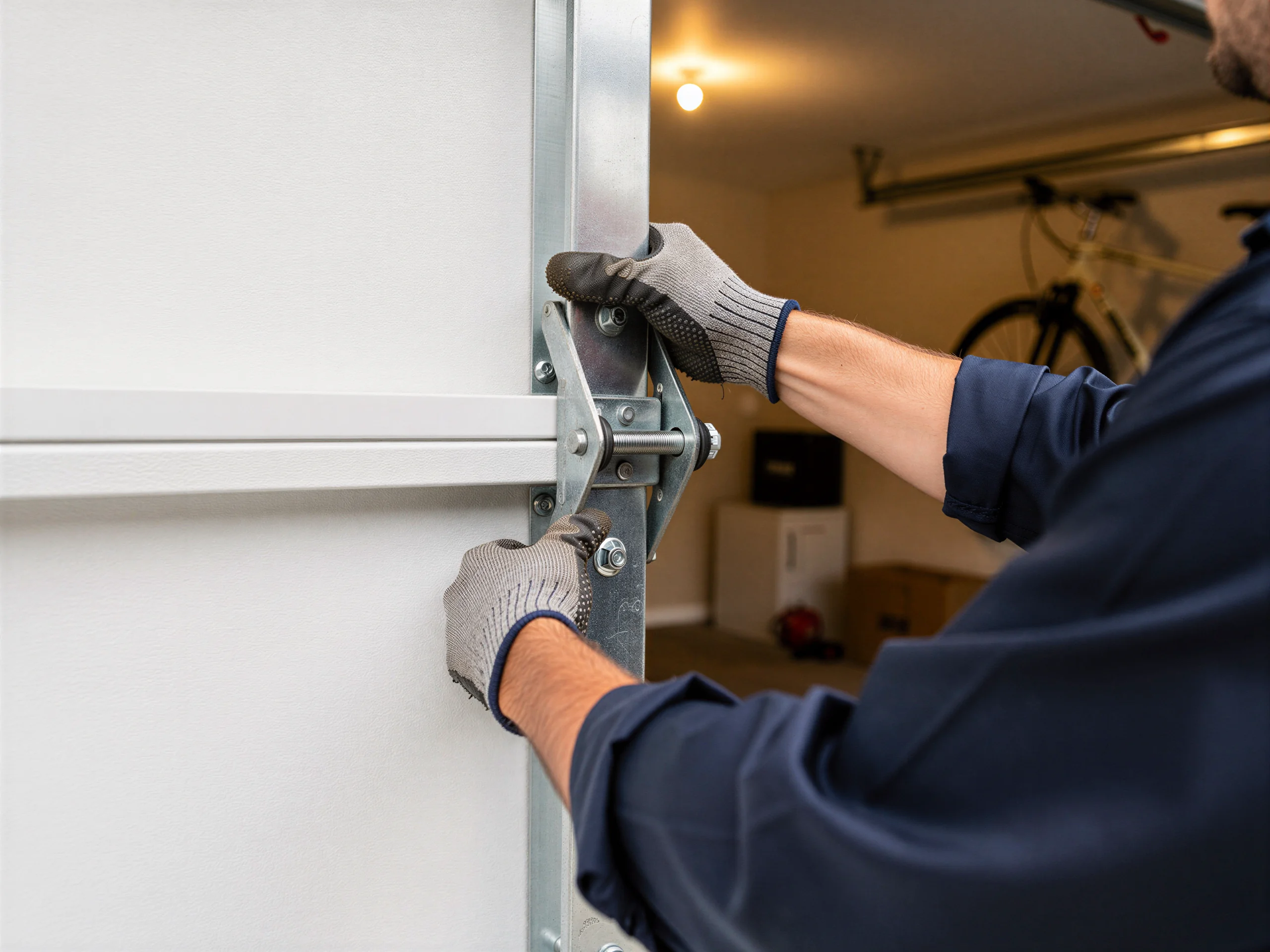
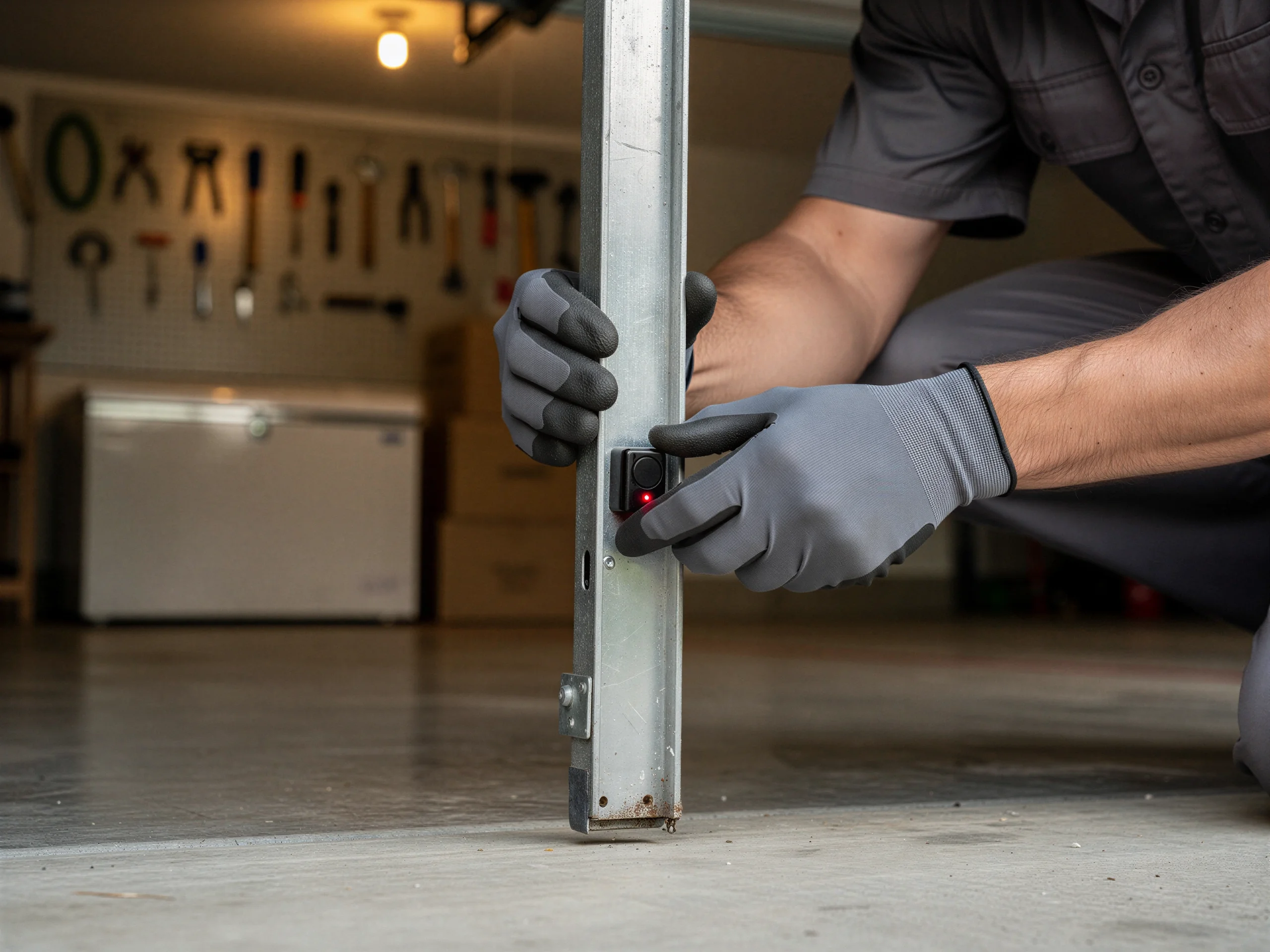
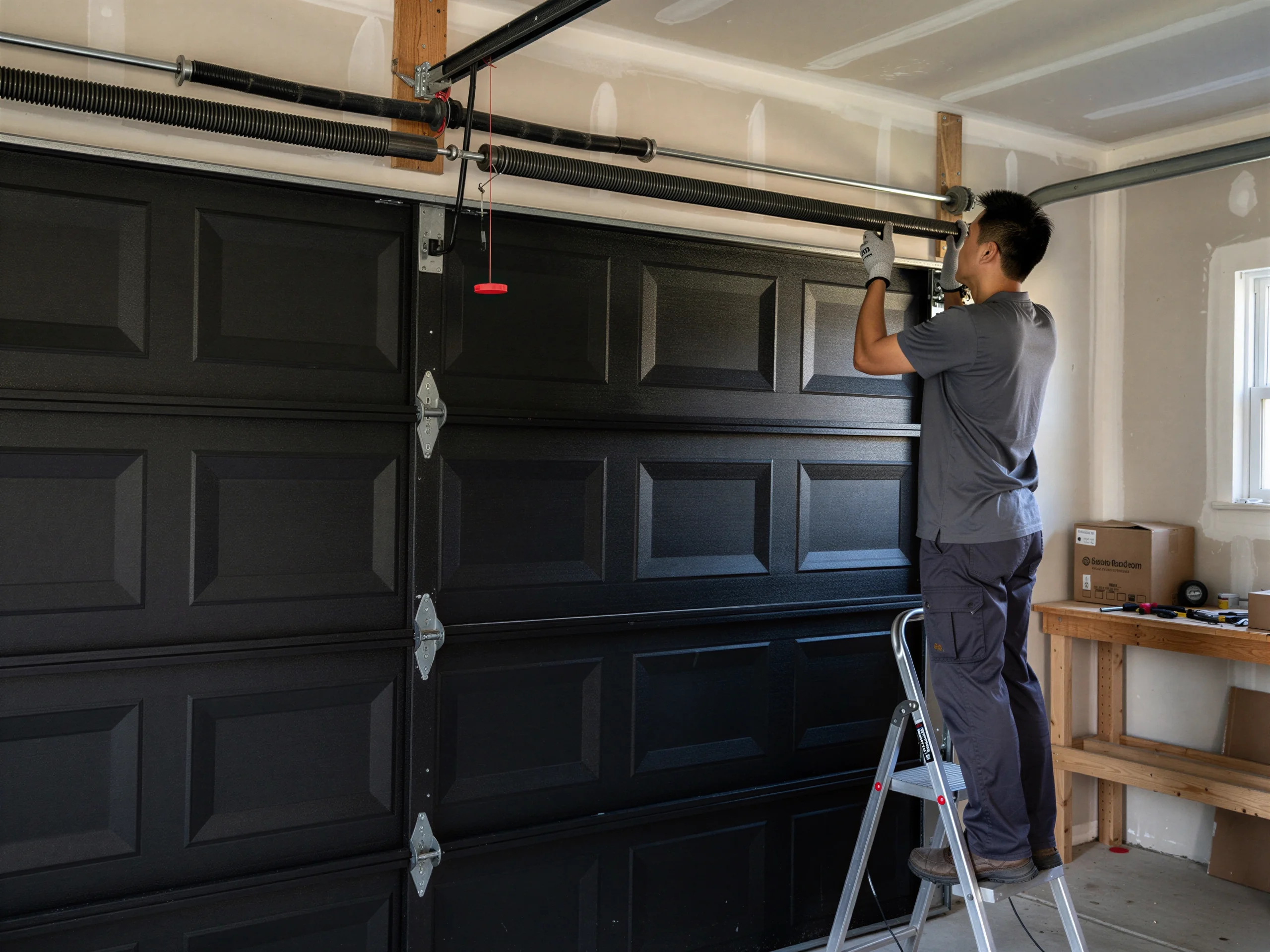
That means steel sectional doors, factory torsion spring setups, and circuit-board openers rather than the chain-drive relics and extension springs you still find on the 1970s-80s stock elsewhere in the area. We carry torsion cable, standard-width torsion springs, and circuit boards for mid-2000s opener lines, not the obscure parts that older neighborhoods need.
Booking a Visit
Hiram sits six miles from our shop in Dallas - the closest town on our route list. We don't keep a branch or a drop point in Hiram; every job here is a truck coming out from Dallas, loaded for what a 2000s-era house typically needs.
Details to share on call
When you call, tell us the age of the house if you know it and what the door is doing (won't open, won't close, makes a bang, opener runs but the door doesn't move). That lets us load the right spring size and the right opener board before we're on the road, instead of guessing at the door and driving back for a part.
No guaranteed arrival window
We don't publish a guaranteed arrival window here - distance and the rest of the day's schedule both play into it, and six miles doesn't mean we skip the line for other calls already booked.
Short part-run trips
What we can tell you is that Hiram is close enough that a part run back to the shop, if one's needed, isn't a half-day loss the way it would be for towns farther out on our list.
Where This Job Goes Sideways
Houses built after 2000 in this climate band still carry steel sectional doors with factory torsion springs, and that hardware is more standardized than what you find on older stock - which is good news until someone's already tried to fix it themselves with a spring rated for the wrong door weight. We see that more in newer neighborhoods than older ones: a double-car door with a single spring swapped in to save money, or a universal remote kit wired into a board it wasn't built for.
The other place it goes sideways is the opener itself. Mid-2000s openers in this price range often ran on circuit boards that are now out of production. If yours fails and the board's obsolete, we're not always able to source a drop-in replacement - sometimes the honest answer is a new opener head rather than a repair, and we'll tell you that straight instead of billing for a board hunt that won't pan out.
How Long It Takes
A straightforward torsion spring swap on a standard double door, the kind common in Hiram's newer stock, is usually finished within a single visit once we're on site - cable, bearings, and balance check included.
Board swap timing
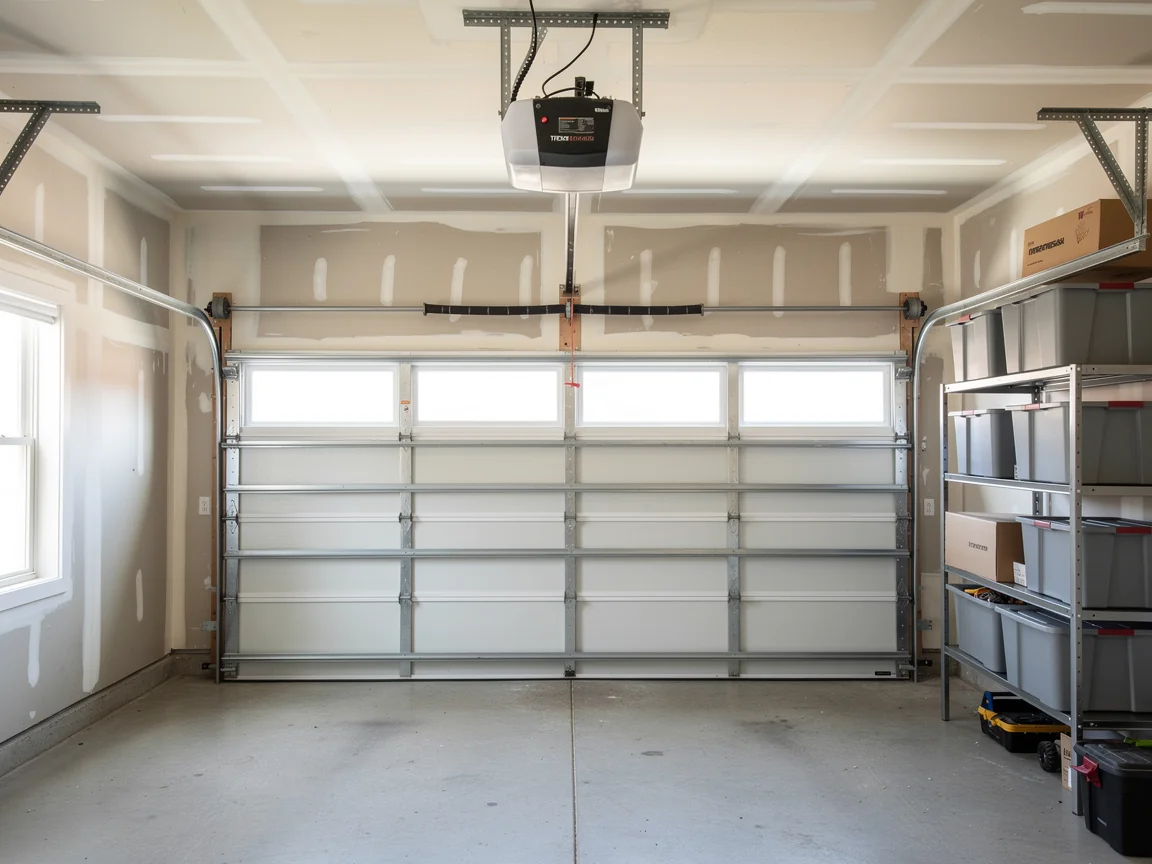
Opener board swaps run about the same, assuming the replacement board is in stock on the truck or can be sourced same-day from a standard mid-2000s line. What takes longer is anything tied to the house settling or the slab itself - track realignment after a foundation shift, or a jamb that's gone slightly out of square over twenty years.
Settling adds visit time
That's less common on 2000s-era construction than on older houses, but it's not zero, and when it shows up it adds real time to the visit because we're correcting the opening, not just the hardware.
The DIY Question
Torsion springs are not a weekend project regardless of how new the house is - the spring on a standard double door in Hiram's typical housing is wound to a load that can break a hand or worse if it lets go while you're working on it. That's not us protecting the job; it's a straight safety line we won't move on.
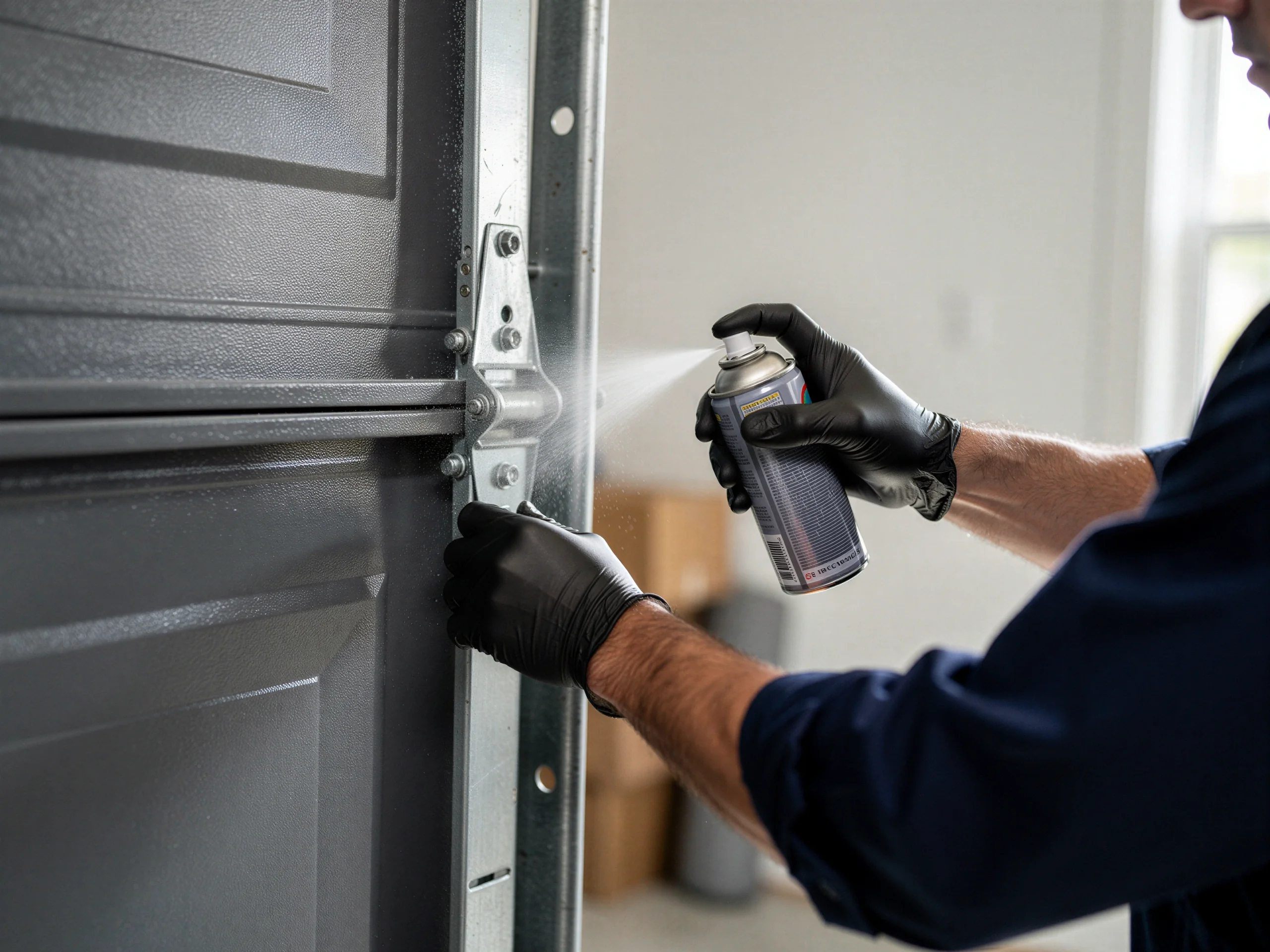
What you can reasonably do yourself: tighten loose hinge bolts, clean and lubricate rollers and tracks, replace weatherstripping, or swap a remote battery. None of that touches the spring or the cable system. If the door is off-balance, slamming down, or the opener is straining and reversing, that's a call, not a project - and on a house this age, it's usually a worn part rather than a structural issue, which keeps the fix simple once we're there.
What Causes It Around Here
Georgia's cold-moderate climate band means Hiram gets freeze-thaw cycles but not the deep, sustained cold that cracks concrete slabs or warps wood jambs the way harsher climates do. For a 2000s-era steel door, the bigger issue is usually cycle count catching up with factory-grade springs - after roughly ten to fifteen years of daily use, torsion springs on a standard double door start showing fatigue, and that's about where most of this housing stock sits now.
Humidity swings also take a toll on weatherstripping and seals faster than dry climates do, which shows up as drafts and light gaps along the bottom panel before anything else fails. It's a smaller fix than a spring job, but it's often the first sign something on the door needs attention, and it's worth calling about before it turns into a bigger repair.
Talk to a local pro
Garage door service in Dallas?
Same-day service with honest, upfront quotes.