What Is on the Truck
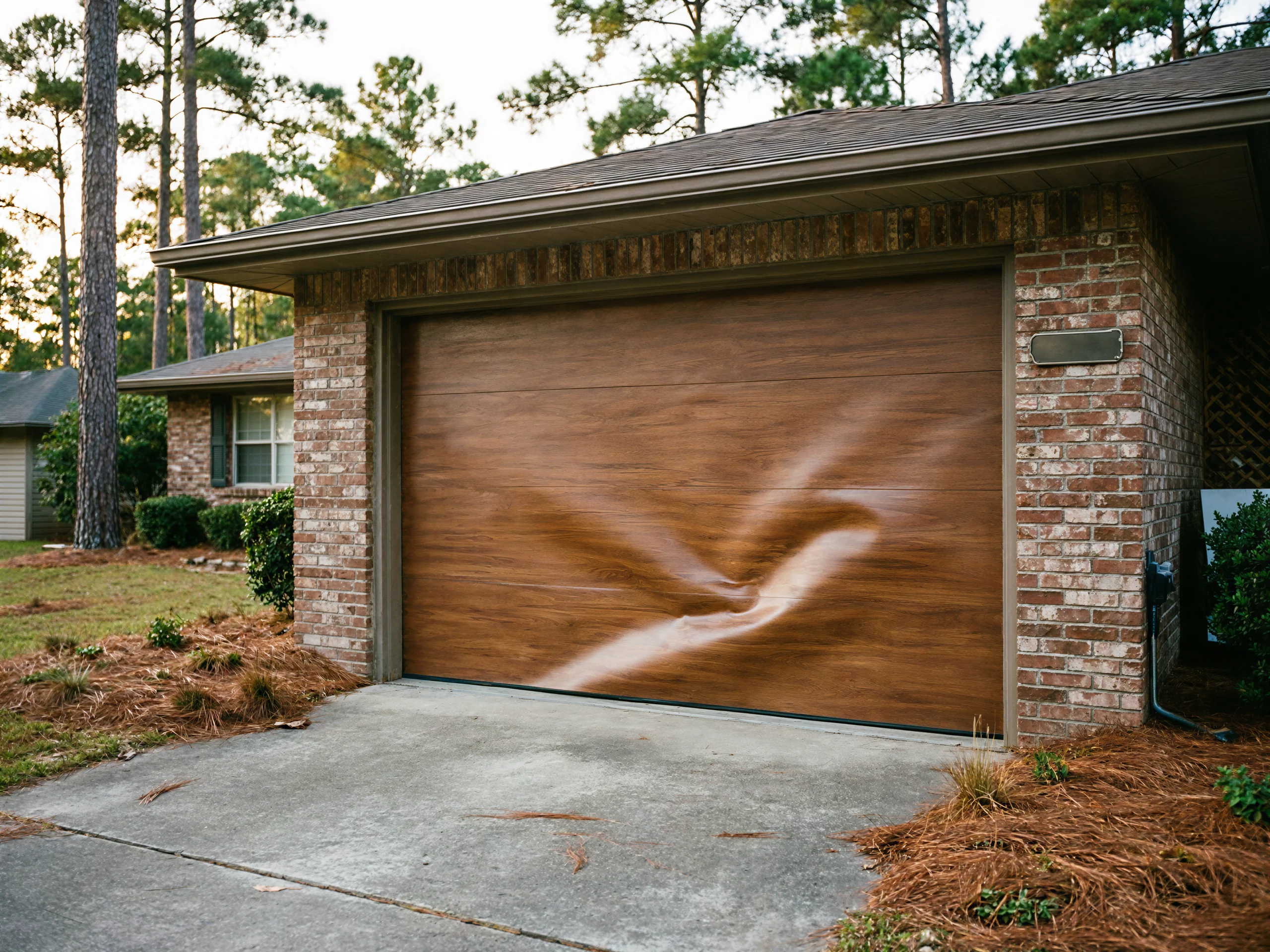
Most houses in Hiram went up around 2004, which is late compared to a lot of the county, and it shows in what's bolted to the ceiling of the garage.
Circuit board openers
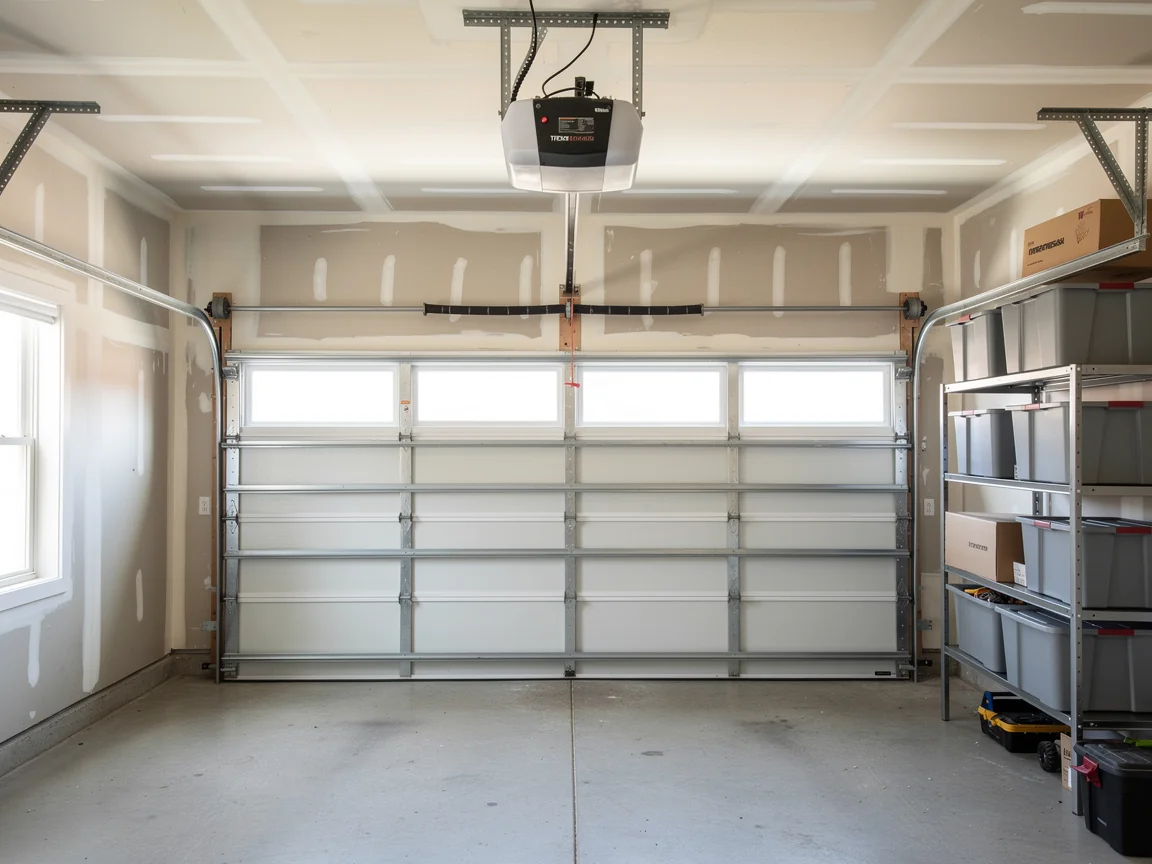
You're mostly looking at steel sectional doors on 16x7 or 9x7 openings, paired with belt or chain-drive openers that have a circuit board instead of a mechanical timer, a photo-eye safety sensor pair, and often a rolling-code remote system rather than a fixed-code dip switch unit.
Newer opener parts stocked
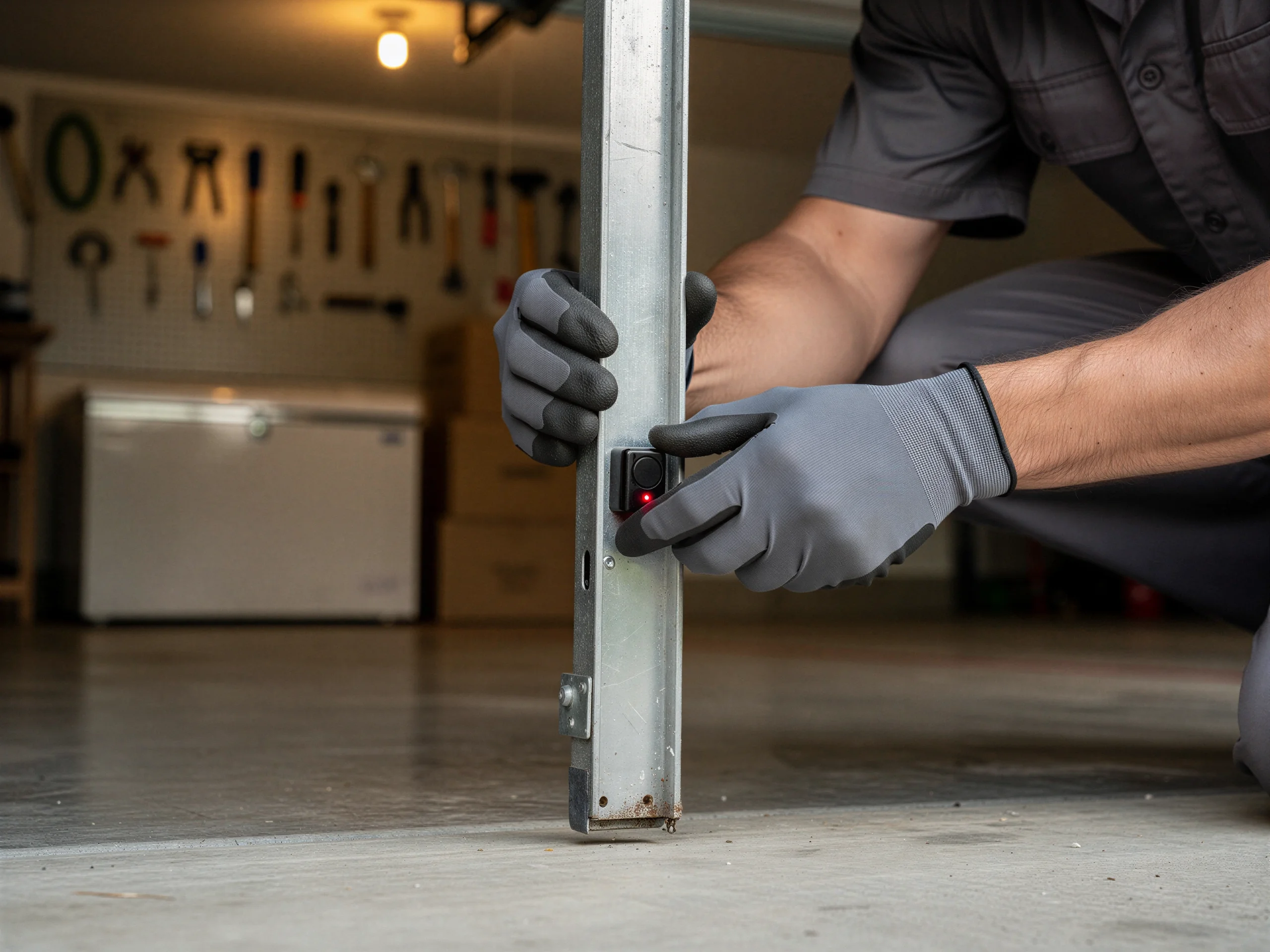
That means the truck carries logic boards, photo-eye sensor pairs, drive gears and sprockets sized for newer Chamberlain and LiftMaster units, plus belt sections - not the older chain-and-pulley parts an 80s build would need. We don't stock a branch in Hiram; the truck comes loaded for this housing era because that's what the 6-mile run from Dallas mostly turns up.
Limit switches and wall stations
We also carry limit switch kits and wall control stations, since a lot of the calls here aren't a dead motor at all - they're a board that's lost its programming or a sensor knocked out of alignment. Bringing the wrong decade of parts to a 2004-era garage wastes the trip, so we load for what Hiram actually has, not for the older stock on the other side of the county.
Booking a Visit
We cover Hiram out of Dallas, about 6 miles up the road, so booking is a phone call or a request through the site, not a dispatch from a local branch. Tell us the opener brand if you can read it off the motor housing, and whether the lights blink when you hit the wall button - that single detail usually tells us if we're dealing with a board, a sensor, or a dead motor before the truck even leaves Dallas. We don't operate a Hiram location, so there's no walk-in counter here; everything routes through the main shop.
Where This Job Goes Sideways
The newer opener boards common in Hiram's 2004-era garages fail in ways that look like something else. A board losing its memory after a power flicker presents exactly like a dead motor - the unit hums or does nothing, and an owner assumes the worst when it's a $40 part, not a full replacement.
Low photo-eye sensors
Photo-eye sensors on these units sit low near the floor, and a few years of lawn equipment and bikes knocking them out of alignment produces a door that reverses for no visible reason.
Stripped gear over-replacement
We've also seen owners replace a whole opener because of a stripped drive gear, when the motor itself was fine - that's a common failure point on the gear-drive and some chain-drive units from this era, and it's a parts swap, not a unit swap.
Board revision availability
The honest limitation here: if the logic board itself is fried and the manufacturer has moved on to a newer board revision, we may not be able to get an exact replacement quickly, and at that point a full opener swap is the faster, cheaper call than chasing a discontinued board.
How Long It Takes
A sensor realignment or a wall-button swap is usually a same-visit fix, done in the time it takes to test the door through a few full cycles. A board replacement runs longer because we're matching the exact model and verifying the safety reversal system works before we leave - that's not a step we skip. Where it stretches out is parts availability on an older-revision board for a specific unit; if we don't have it on the truck, we're ordering it, and that adds days, not hours. We'd rather tell you that up front than guess.
The DIY Question
Reprogramming a remote or replacing batteries in a wall sensor is fair game for most owners - the manuals for 2000s-era openers walk through it reasonably well.
Drive gear near spring
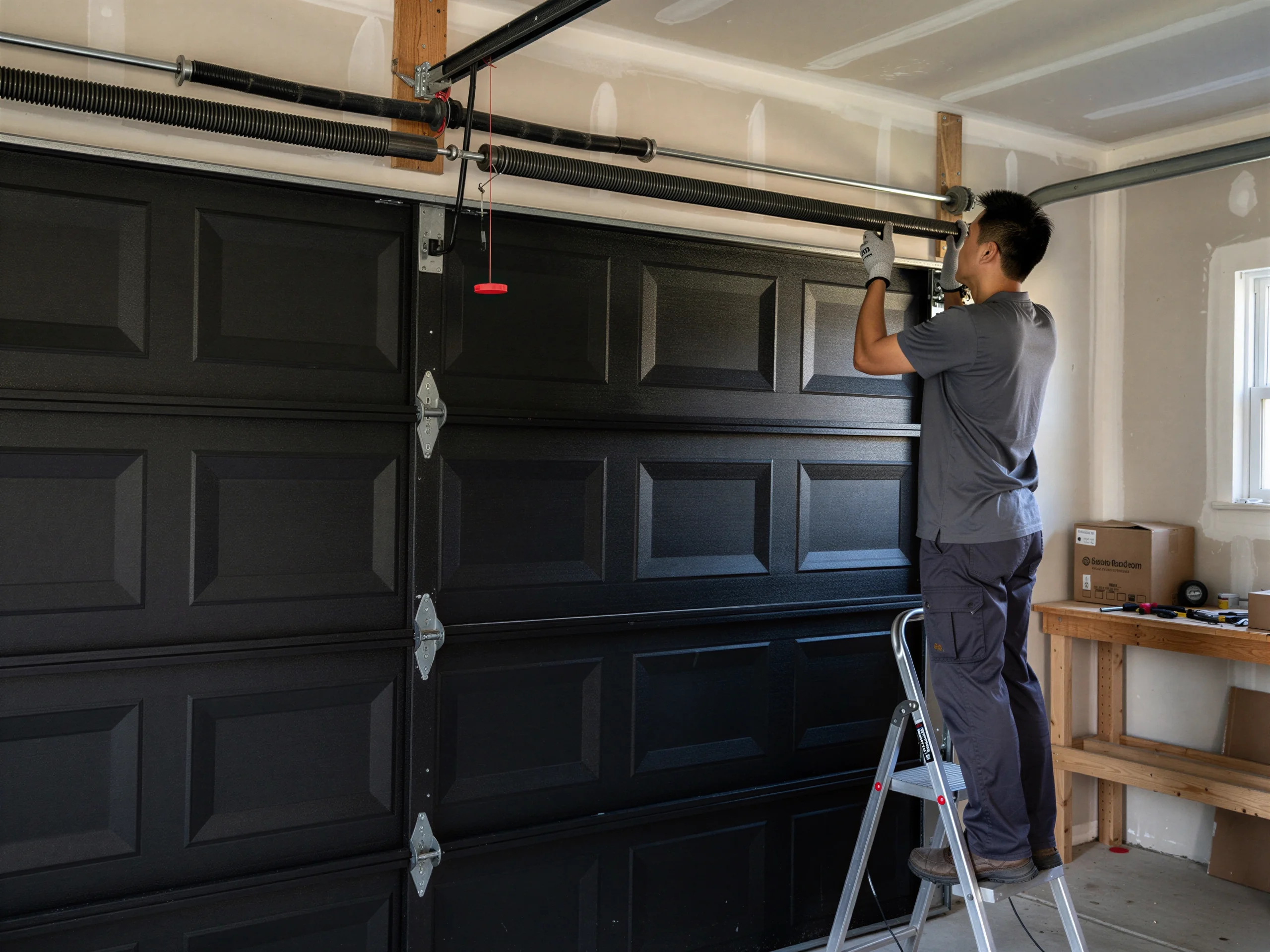
Where we'd stop you is the drive gear and the logic board. The gear sits under the motor cover near a wound spring assembly on the opener's travel mechanism, and getting the cover off wrong, or working near the drive without disconnecting power, is how people get hurt.
Odd behavior warrants call
If your opener is doing something odd - reversing, humming, or not responding to the wall button at all - that diagnostic step is worth a call before you start pulling the housing apart. We'll tell you straight if it's a five-minute sensor fix you could have done yourself.
What Causes It Around Here
Hiram sits in a cold-moderate climate band, which means the garage sees real temperature swings between winter mornings and summer afternoons - not brutal cold, but enough cycling that it affects the plastic housings and the lubrication on drive components over the years. On a 2004-era opener, that shows up as a limit switch that drifts out of calibration before anything mechanical actually breaks, so the door stops a few inches short of the floor or reverses early. It's a smaller, slower kind of wear than what you'd see from genuine extreme heat or extreme cold, but it's steady, and it's the main reason a unit that's otherwise fine starts acting inconsistent a decade or so in.
Talk to a local pro
Garage door service in Dallas?
Same-day service with honest, upfront quotes.