What Is on the Truck
The failure point in Hiram skews different from a lot of the territory we cover. Hiram's homes run newer than the broader service area's median build year of 1988 - a lot of this town went up closer to the early 2000s.
Sealed bearing factory doors
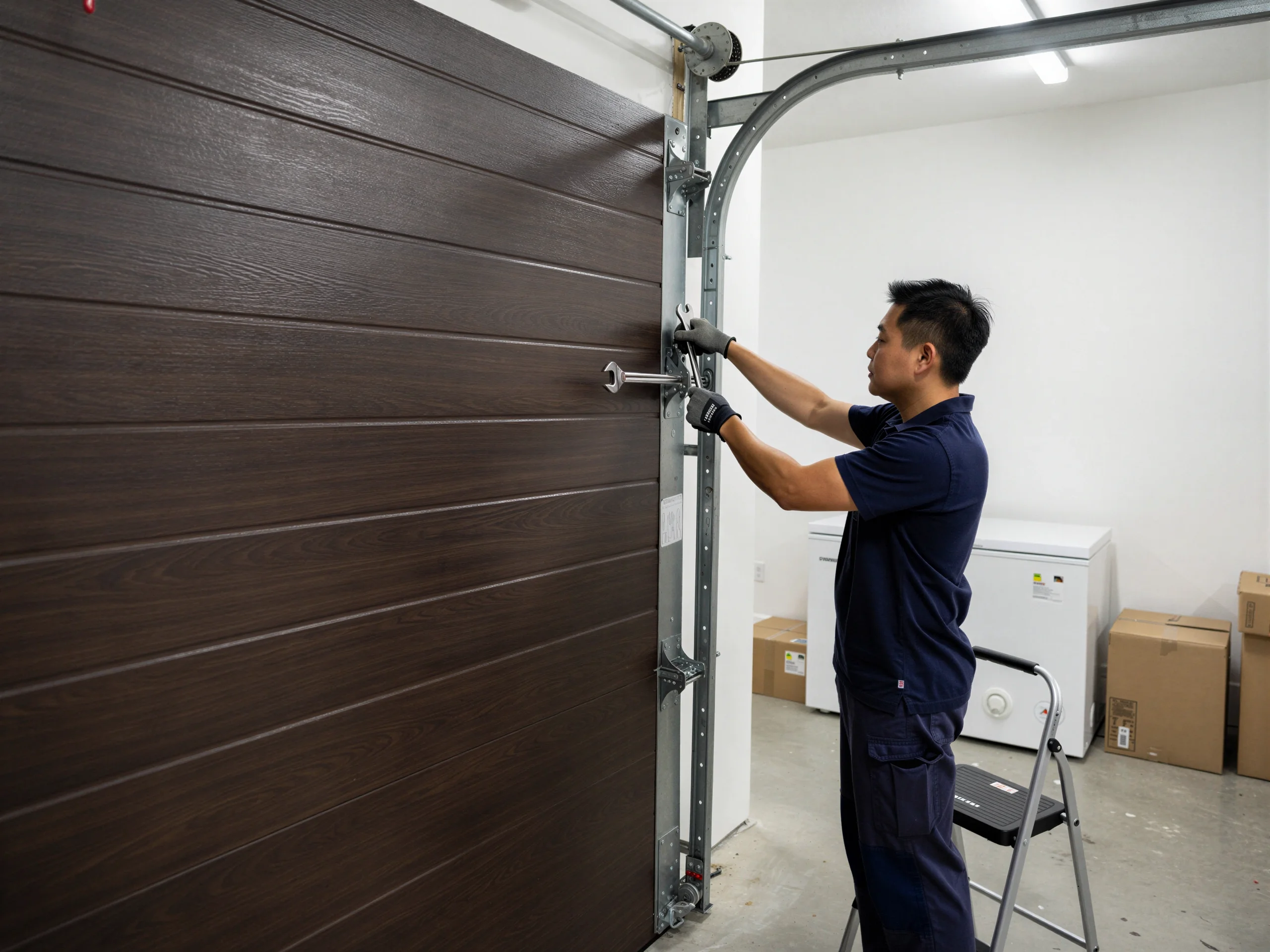
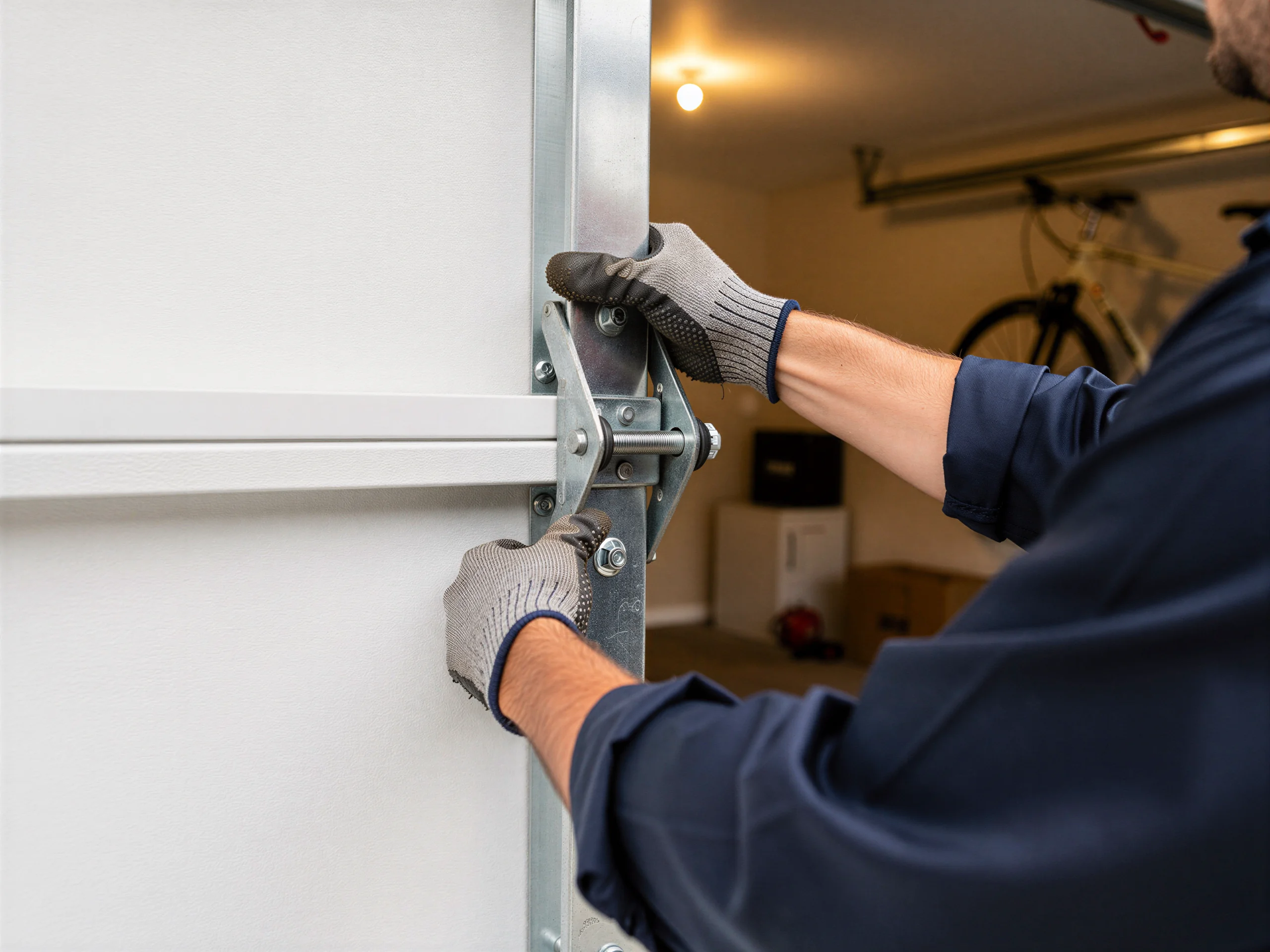
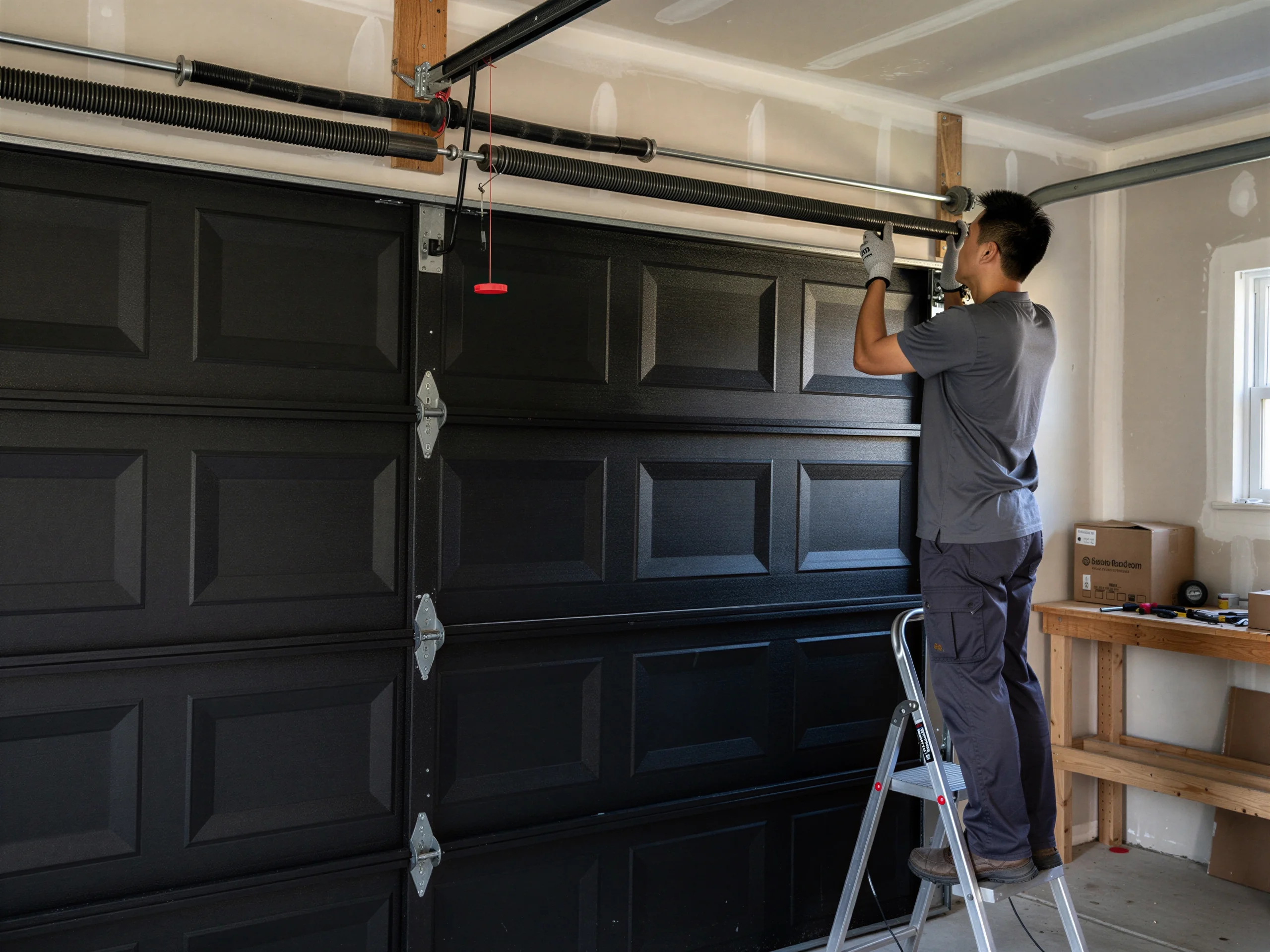
That means fewer of the old side-mounted torsion setups and more factory-standard steel doors with sealed bearings and nylon rollers that were never meant to be serviced, just replaced when they wear out.
Maintenance stock on truck
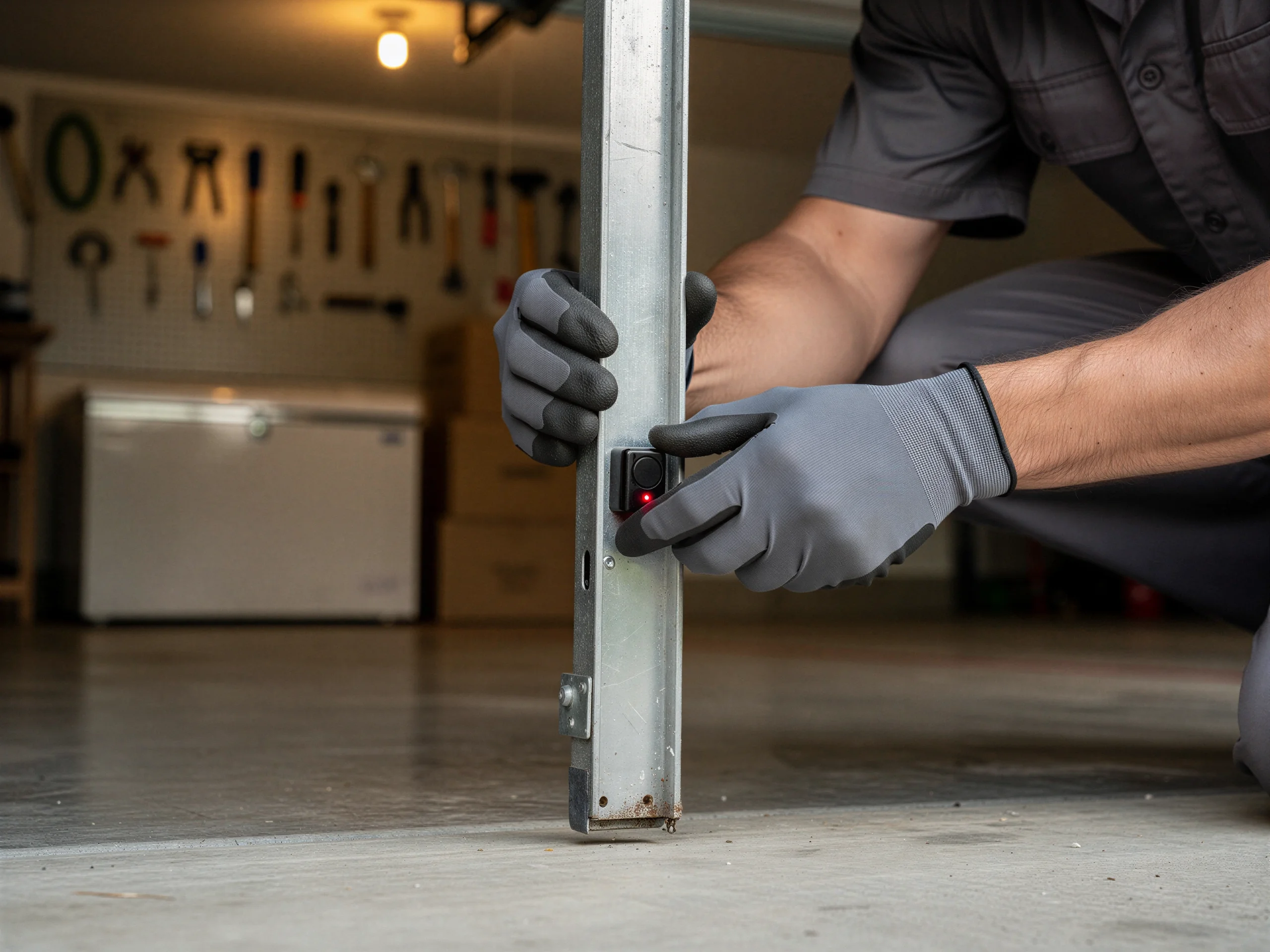
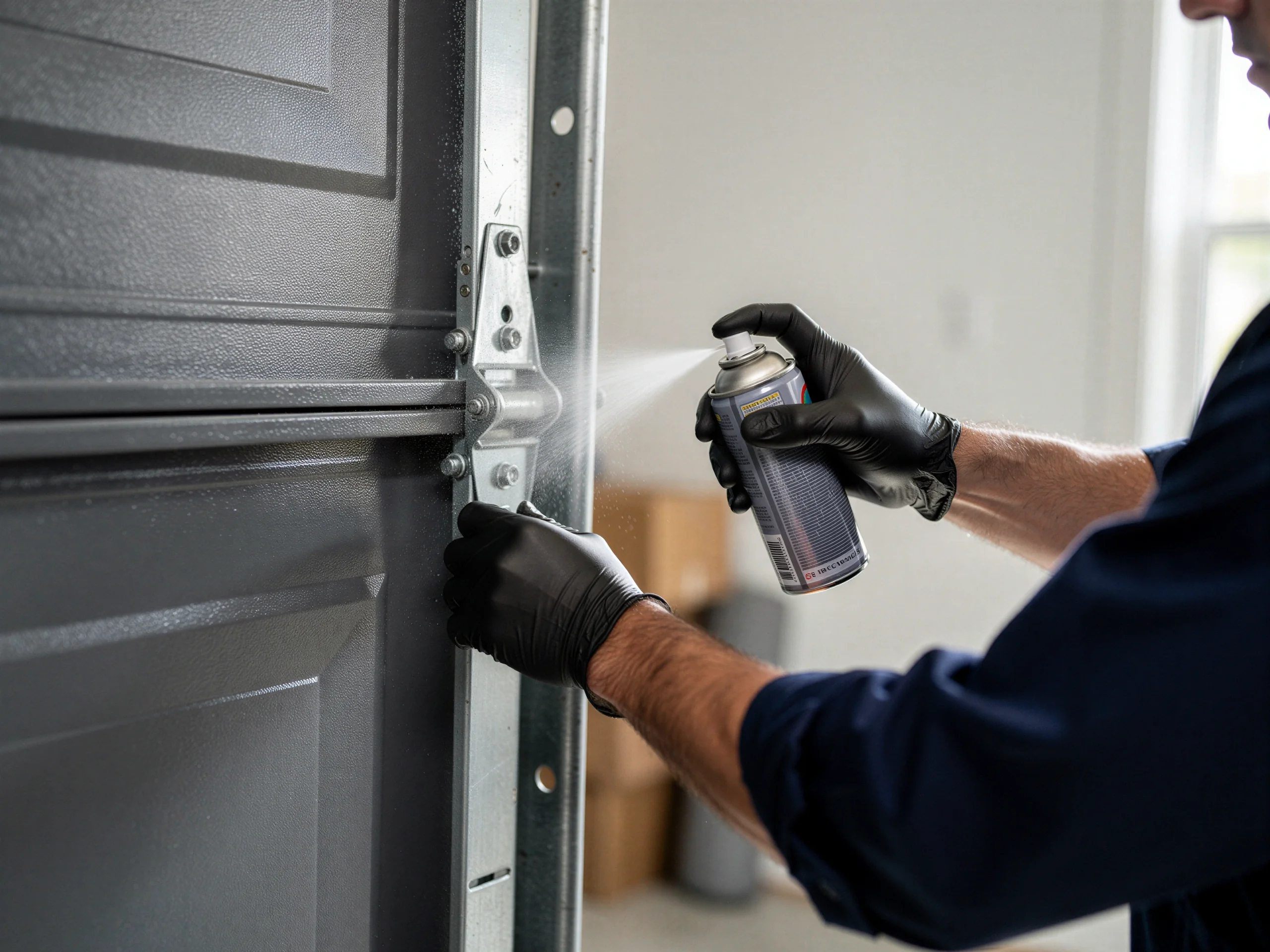
What we carry for a maintenance call here reflects that: roller sets sized for the lighter 2000s-era door panels, lithium grease for the factory track rather than the heavier stuff older torsion drums need, and a tester for the photo-eye sensors that became standard in that build window.
Board wear from climate
We check opener circuit boards for sun and humidity wear on the housing, since this area sits in a cold-moderate climate band where temperature swings through the year put stress on seals and weatherstripping more than on hardware itself. We're not loading the truck for 1970s torsion spring work when we're headed to a 2004-median neighborhood. It's a different job, and bringing the wrong parts means a second trip nobody wants.
Booking a Visit
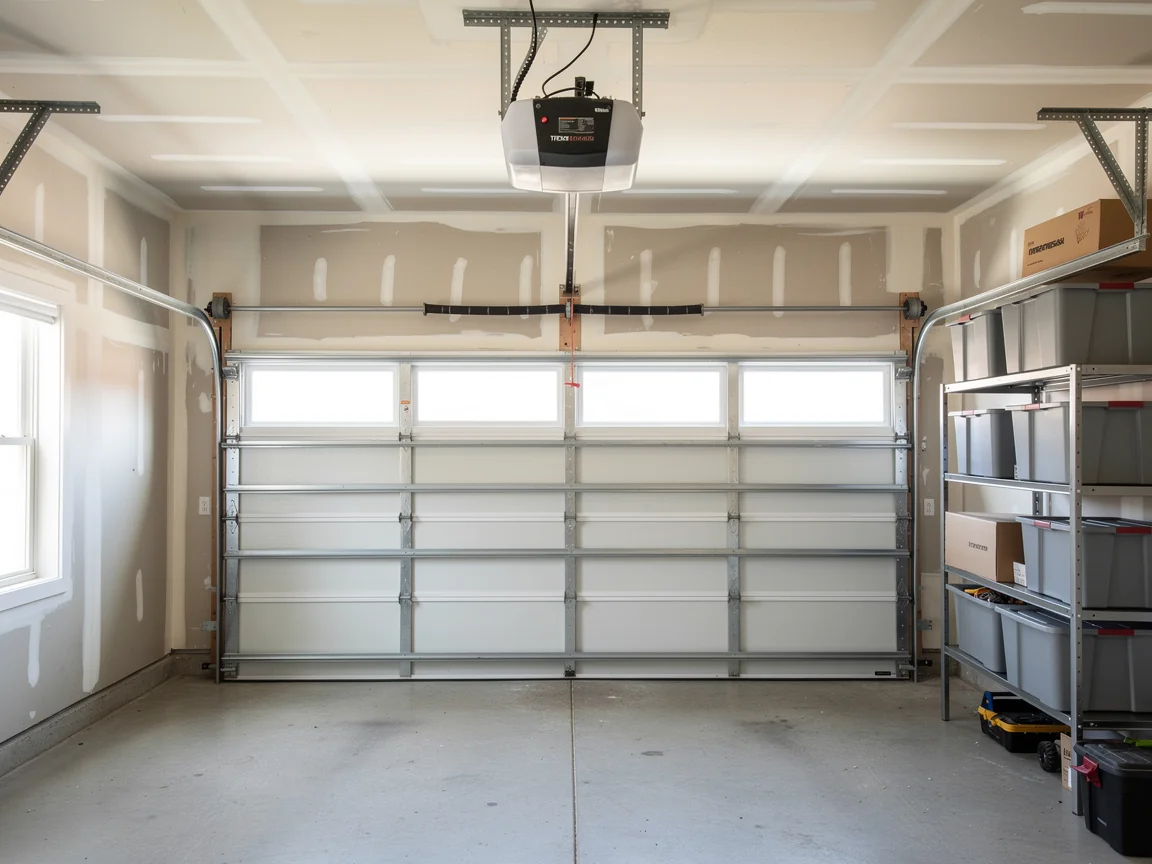
We run out of Dallas, about 6 miles from Hiram, so a maintenance visit here gets scheduled as a route stop, not a same-day drop-in. That's worth knowing going in - we're not a Hiram-based crew, we're a Dallas crew that covers it. When you call, tell us the door's age if you know it and whether it's the original opener; for a town built mostly since the late 1980s and 90s, a lot of doors are still on their first opener, and that changes what we check first.
We'll ask if the door's binding, slow, or just noisy, since those point to different parts of the track and spring system. If you've got a specific symptom, mention it - a shuddering belt-drive opener needs a different look than a chain-drive that's just loud. We'd rather ask two extra questions on the phone than show up and find out the real issue is something we didn't bring a part for.
Where This Job Goes Sideways
The mistake we see most in newer-built neighborhoods like Hiram's is assuming a quiet door is a healthy door.
Quiet doors hide warnings
Steel doors from the 1990s-2000s stock run quieter than the older wood and heavier steel panels, so homeowners don't hear the warning signs the way they would on an older door - the grinding roller, the strained motor. By the time it's loud enough to notice, the roller's often metal-on-metal and chewing into the track, or the opener's gear has been slipping for months.
Sealed rollers need no grease
The other spot this goes wrong: cold-moderate winters here don't flash-freeze hardware, but they do dry out factory lubricant and shrink weatherstrip seals over a few seasons, and on a sealed-bearing roller system that's not a part you grease your way out of - it's a part you replace.
Spray lubricant misuse
We've opened up doors where someone sprayed general lubricant on a sealed roller assembly expecting it to help; it doesn't get inside the bearing, and the noise comes back in a month.
How Long It Takes
A straightforward maintenance visit - lubrication, hardware check, roller and cable inspection, opener tune - runs shorter on these newer doors than it does on the older torsion setups elsewhere in our territory, simply because there's less to disassemble. We're not pulling apart decades-old spring hardware or dealing with non-standard panel sizes.
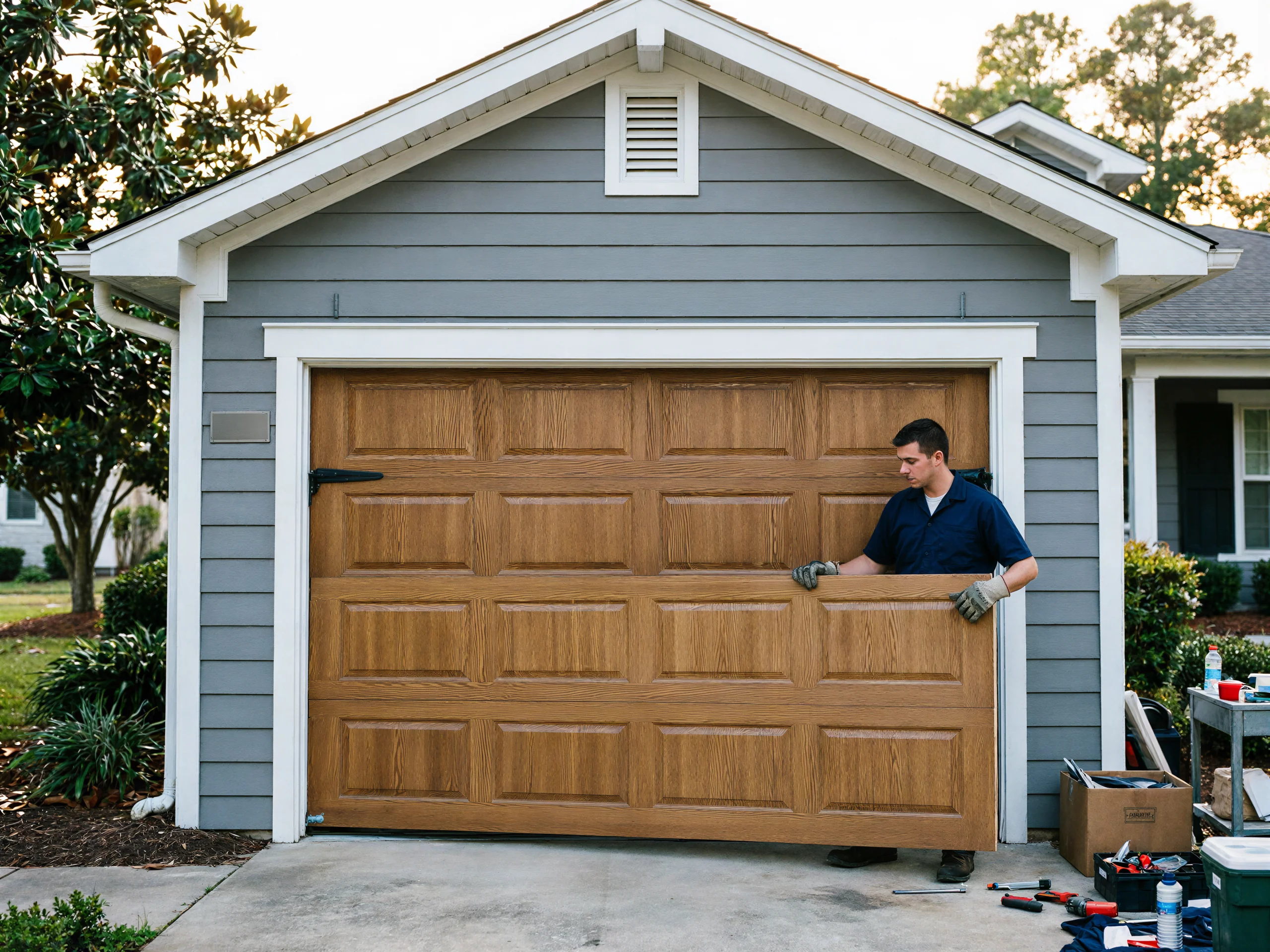
Where it runs long is when a roller or cable needs swapping on the spot, which we can usually do during the same visit if it's a stock part. What we can't always promise same-visit is a specialty opener board or a panel-specific part, since lead time on anything non-standard depends on the manufacturer, not on us. We'll tell you straight if that's the case rather than guess at a timeline.
The DIY Question
Owners here can handle some of this themselves, and we'd rather say so than sell a visit for nothing.
Sensor and track wiping
Wiping down tracks, checking that the photo-eye sensors are aligned and clean, and listening for new noises month to month - that's reasonable homeowner work on a door this age. What we don't recommend doing yourself: touching the torsion spring, even on a newer door, or trying to diagnose an opener board issue by swapping parts.
Sealed assemblies and codes
On a 2000s-era door, a lot of the failure points are sealed assemblies - you either replace the part correctly or you don't touch it. If your door's slow to respond or the opener light blinks a code, that's worth a call rather than a guess.
What Causes It Around Here
Across the wider area we cover, housing runs from the 1970s through the early 2000s, with a lot of it concentrated in 1980s and 90s construction - a mix of torsion and extension spring setups depending on when a given street went up. Hiram sits at the newer end of that range, median build year right around 2004, which means fewer old torsion drums and more factory steel doors on nylon rollers and sealed bearings.
The climate band here is cold-moderate, not the deep-freeze conditions that crack springs outright, but enough seasonal swing to dry seals and stiffen factory grease over a few years. Combine a newer, lighter-built door with that seasonal cycling and the common failure isn't a snapped spring - it's a worn roller, a drifting opener sensor, or weatherstrip that's shrunk enough to let the cold-moderate winter air in around the edges. That's the profile we plan for on a Hiram maintenance call.
Talk to a local pro
Garage door service in Dallas?
Same-day service with honest, upfront quotes.