What You Are Seeing
Fair Oaks is a small stop on our map - about 3,386 households, a fraction of the 13,867 households spread across the rest of the service area we cover out of Dallas.
Single-house install approach
That size matters for what we see on a new-install call here. We're not working through a dense tract of near-identical subdivisions; we're working one house at a time, and a lot of those houses share the same birth year. The typical home in Fair Oaks went up around 1970, which puts it right at the front edge of the 1970-2004 build window that covers most of this service area.
Narrow out-of-square openings
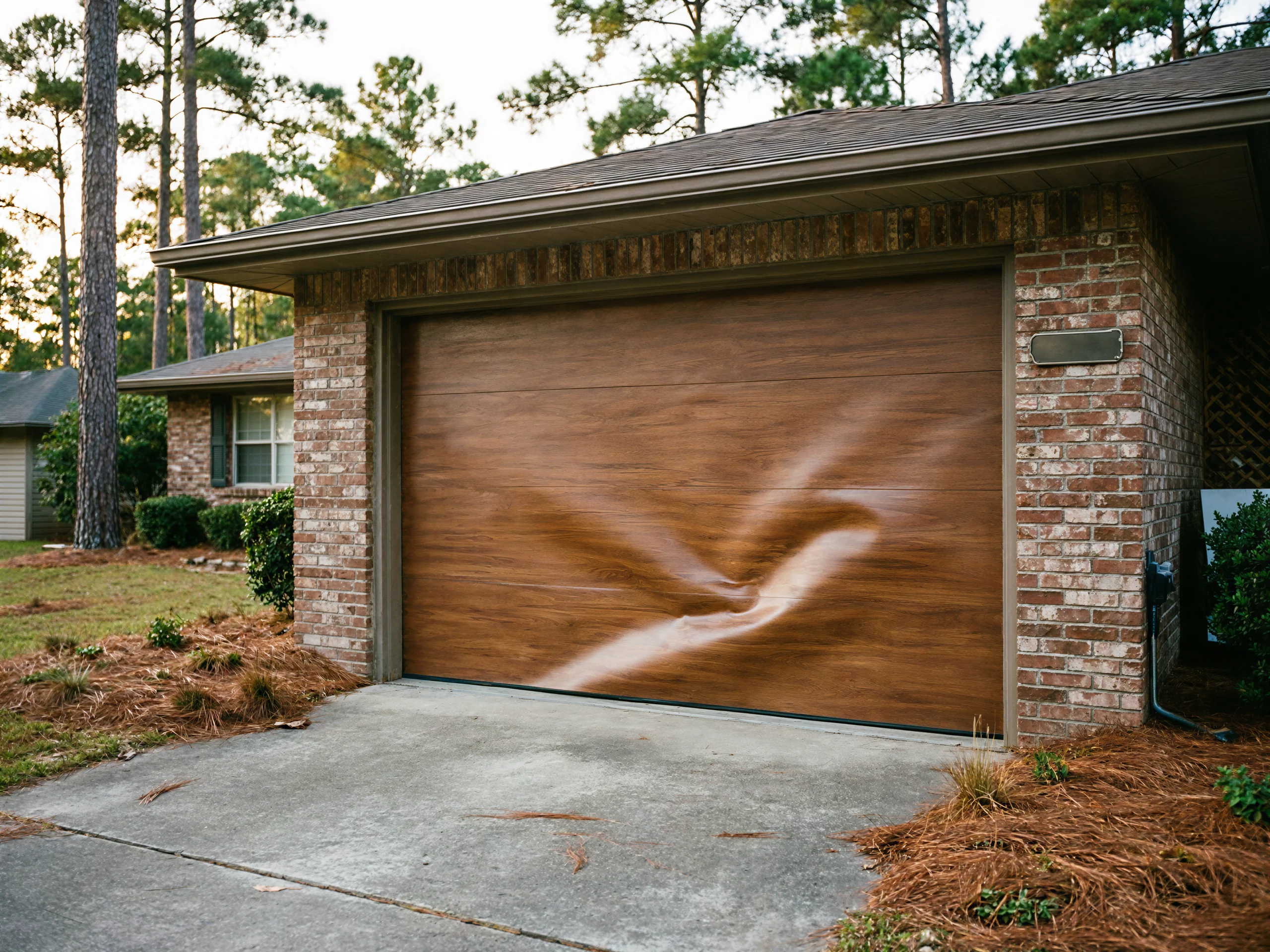
That means the garage openings here tend to run on the older, narrower side of what we size doors for elsewhere. Framing is sometimes out of square in ways a 1990s house isn't, and the original door - if it's still there - was built to a spec nobody stocks anymore.
Insulation questions locally
Median household income in Fair Oaks runs about $61,681, under the $76,424 median for the wider area we serve. We mention that because it shapes the conversation on an install call: more homeowners here ask about a solid, well-insulated door at a fair price than about upgrading to the top of the catalog, and that's a reasonable way to spend the money.
Booking a Visit
We run this job out of Dallas, about seventeen miles from Fair Oaks - the longest haul on our regular list of nearby towns. There's no branch or depot in Fair Oaks itself, so when you call, you're booking a truck and a crew that drives out to you, not a local office.
Measure before ordering
Because of the distance, we ask for a measure-and-quote visit before we order anything. A new door isn't a stock item we pull off a shelf and bolt in; it's built to the opening, and on a house from 1970 that opening may not match the standard width you'd expect.
Repair versus install call
Getting the measurements right the first time saves a second trip for both of us. If your door is still working but giving you trouble - slow to open, noisy, off its track - that's a repair call, not an install call, and it's worth sorting out which one you actually need before you book.
Related Dallas pages
We cover that on our repair page for this area. If you're further into Dallas itself and want the general rundown on new installs, that page exists too.
The DIY Question
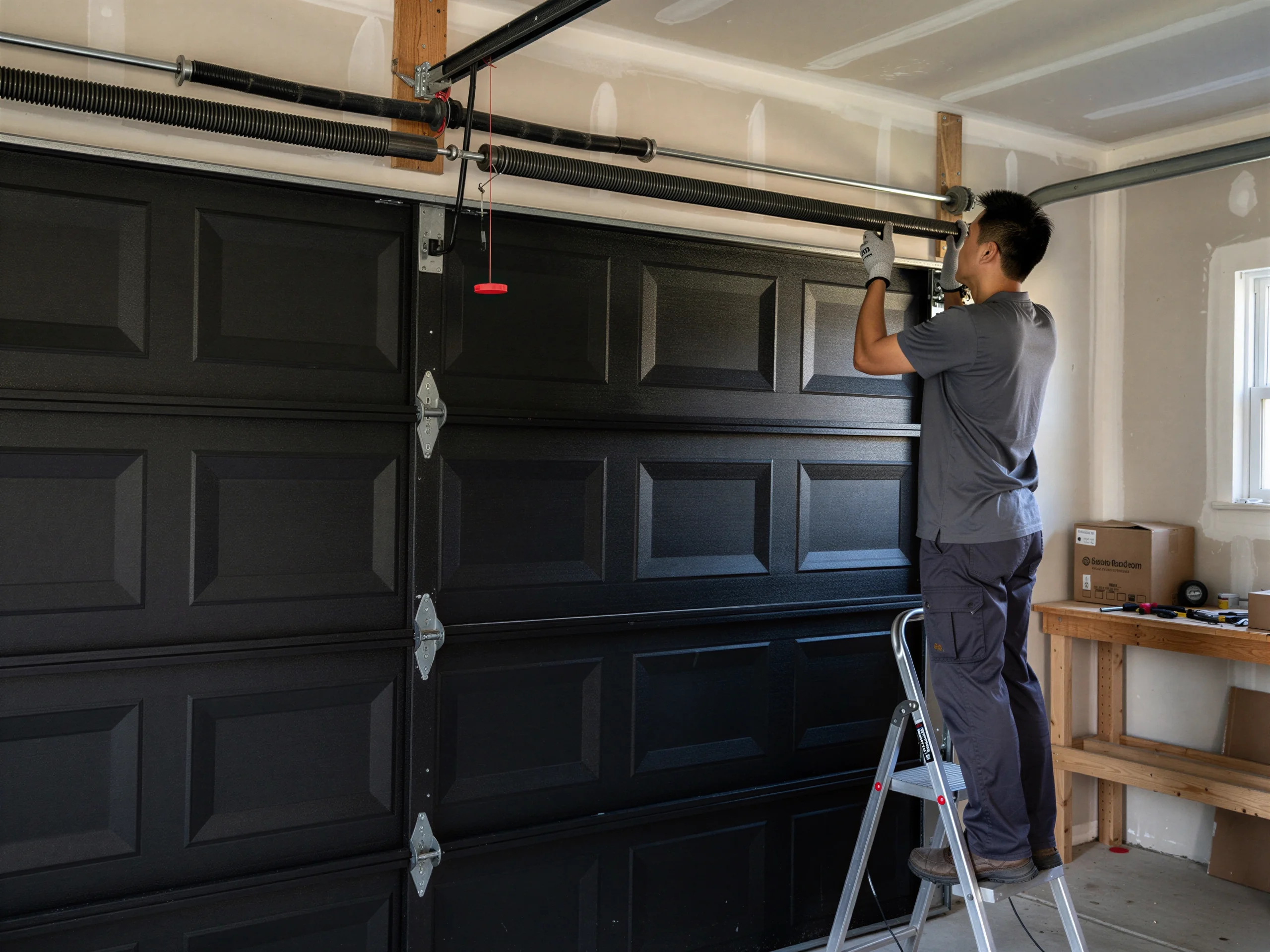
A garage door panel kit looks simple in a box. The door that goes up afterward is not a weekend project, and we'll say that plainly: a torsion spring under load can put someone in the hospital, and a door hung slightly out of plumb on a 1970-era opening will bind, drop, or walk off its track within a year.
Where DIY makes sense is cosmetic - repainting a sound door, swapping a handle, adding weatherstrip you can buy at a hardware store. Where it doesn't make sense is anything involving the spring system, the track alignment, or the header where the door ties into framing that's over fifty years old and may have settled.
We're honest about the limitation on our end too: we don't stock every size and style on the truck. Specialty widths or insulation ratings sometimes mean a short order wait before installation day, especially for an opening that doesn't match a standard modern size. That's not a Fair Oaks problem specifically - it's a reality of ordering a door built to an older house instead of a newer one.
Where This Job Goes Sideways
The install calls that turn into longer jobs almost always trace back to the age of the opening. A house built around 1970 was framed to standards that have since changed, and over fifty years of settling, the header and jambs can be out of square in ways that don't show until we're test-fitting the new door.
Retrofit insulation clearance
Another common snag: insulation retrofits. If a previous owner added batt insulation or finished the garage ceiling at some point, the clearance for the torsion spring and track hardware can be tighter than the new door's spec sheet assumes.
Rust-welded old hardware
We check that before we order, but it's the kind of thing that sometimes only shows up once the old door is off the wall. The third issue is simpler - old hardware welded to the frame by rust or paint.
Condensation on tracks
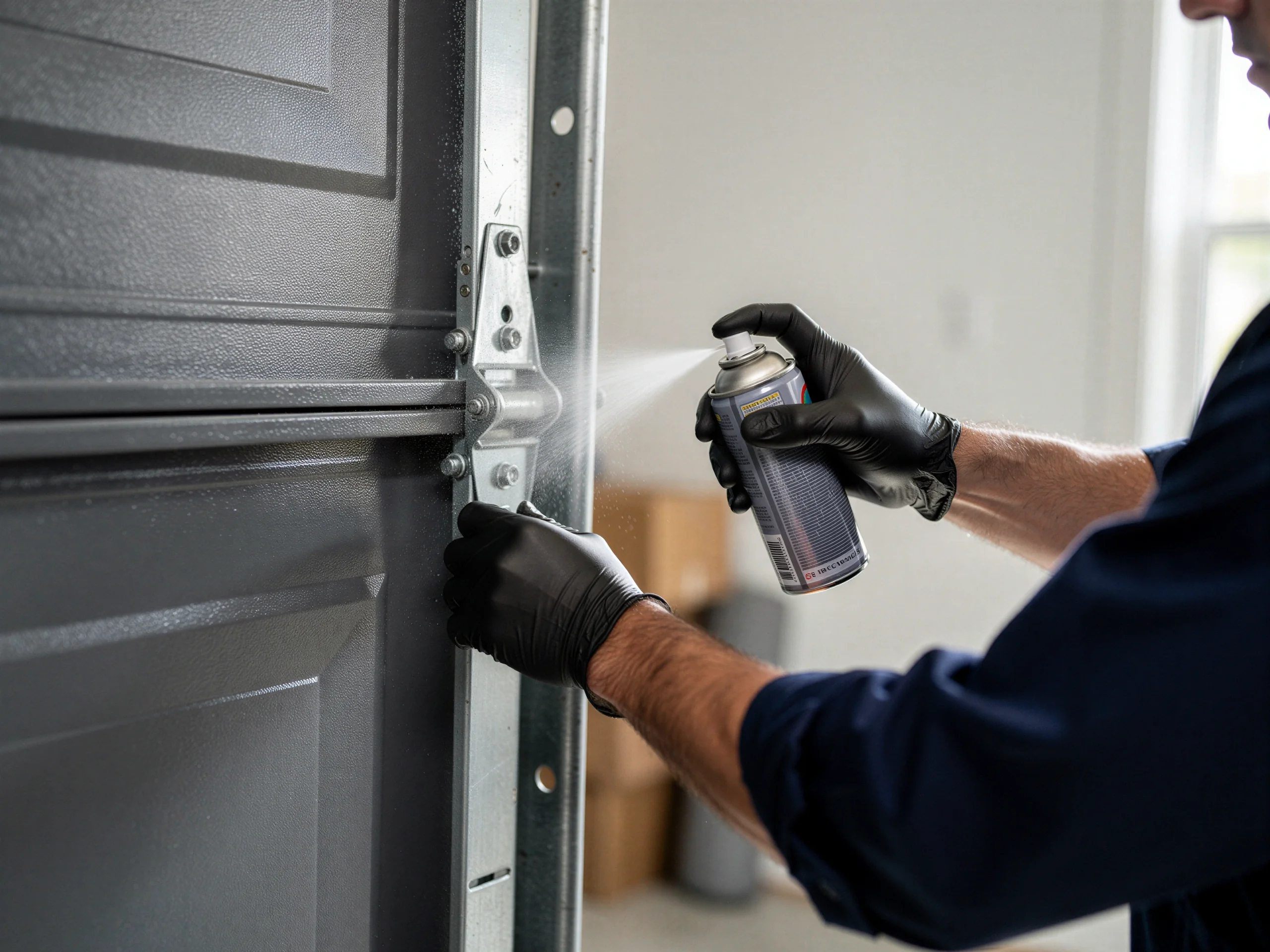
Cold-moderate winters put condensation and temperature swings on steel tracks and brackets year after year, and after five decades some of that hardware doesn't come off clean. None of this is unusual for a house this age. It just means the job sometimes runs a little longer than the quote assumed, and we'd rather tell you that upfront than surprise you with it.
What Is on the Truck
For a cold-moderate climate like this one, we lean toward insulated steel doors with a factory weatherstrip rather than uninsulated panel doors, even on garages that aren't heated. The insulation isn't about comfort so much as keeping condensation off tools, stored items, and the inside face of the door itself through winter swings.
We carry standard panel widths and a range of finishes, along with the torsion spring hardware sized to match. What we don't carry pre-built are custom or oversized doors for openings well outside standard sizing - those get special-ordered once we've confirmed measurements on-site, which is part of why the first visit matters.
Weatherstrip gets replaced as a matter of course on any new install, not left to the old bottom seal. On a house from this era, that seal has usually failed years before anyone calls about the door itself - it's just not the part people notice until it's gone.
How We Fix It
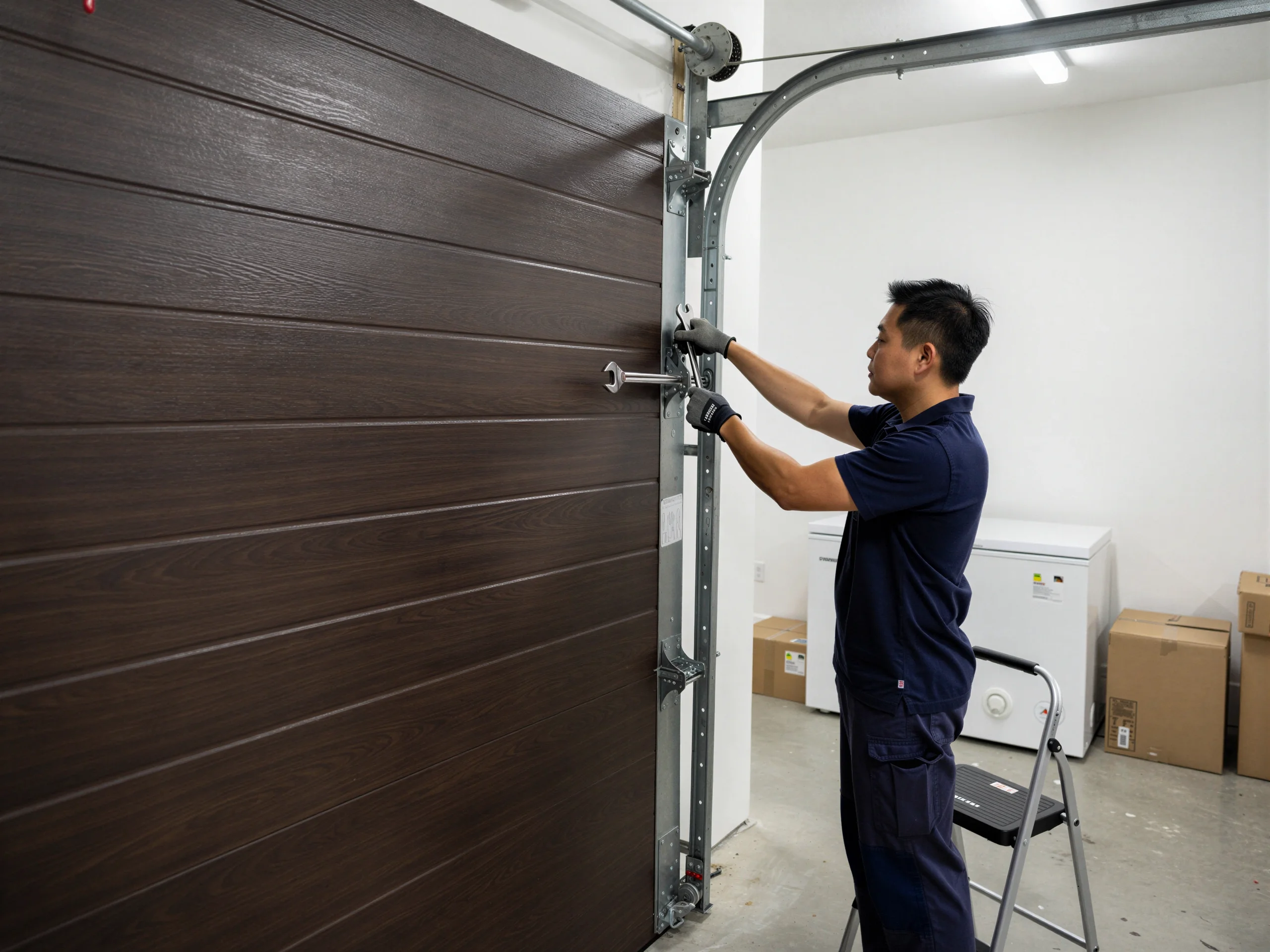
The visit starts with measuring the opening, checking the header and jambs for square, and looking at what's behind the walls where the new track brackets will mount.
Plan around framing
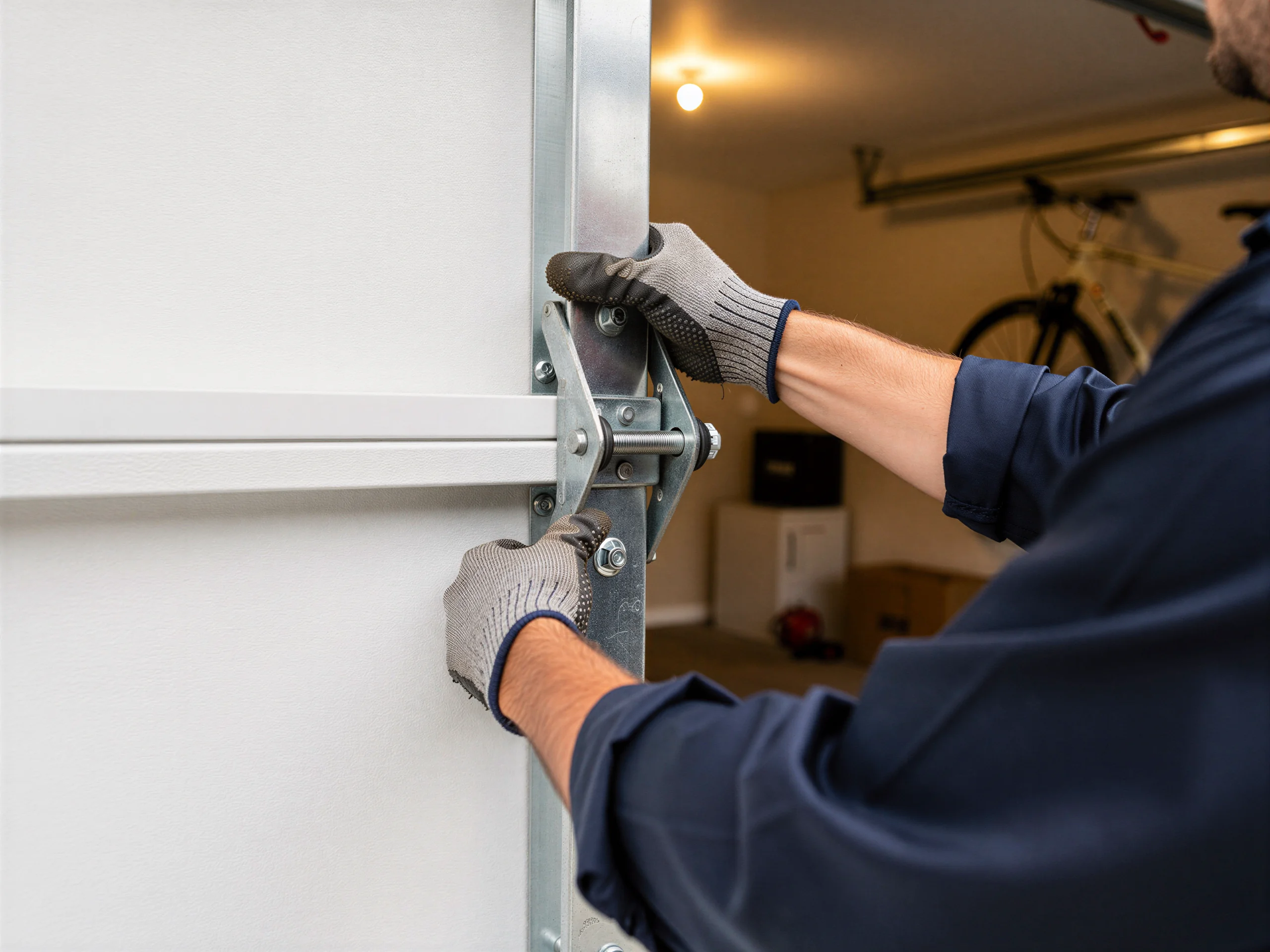
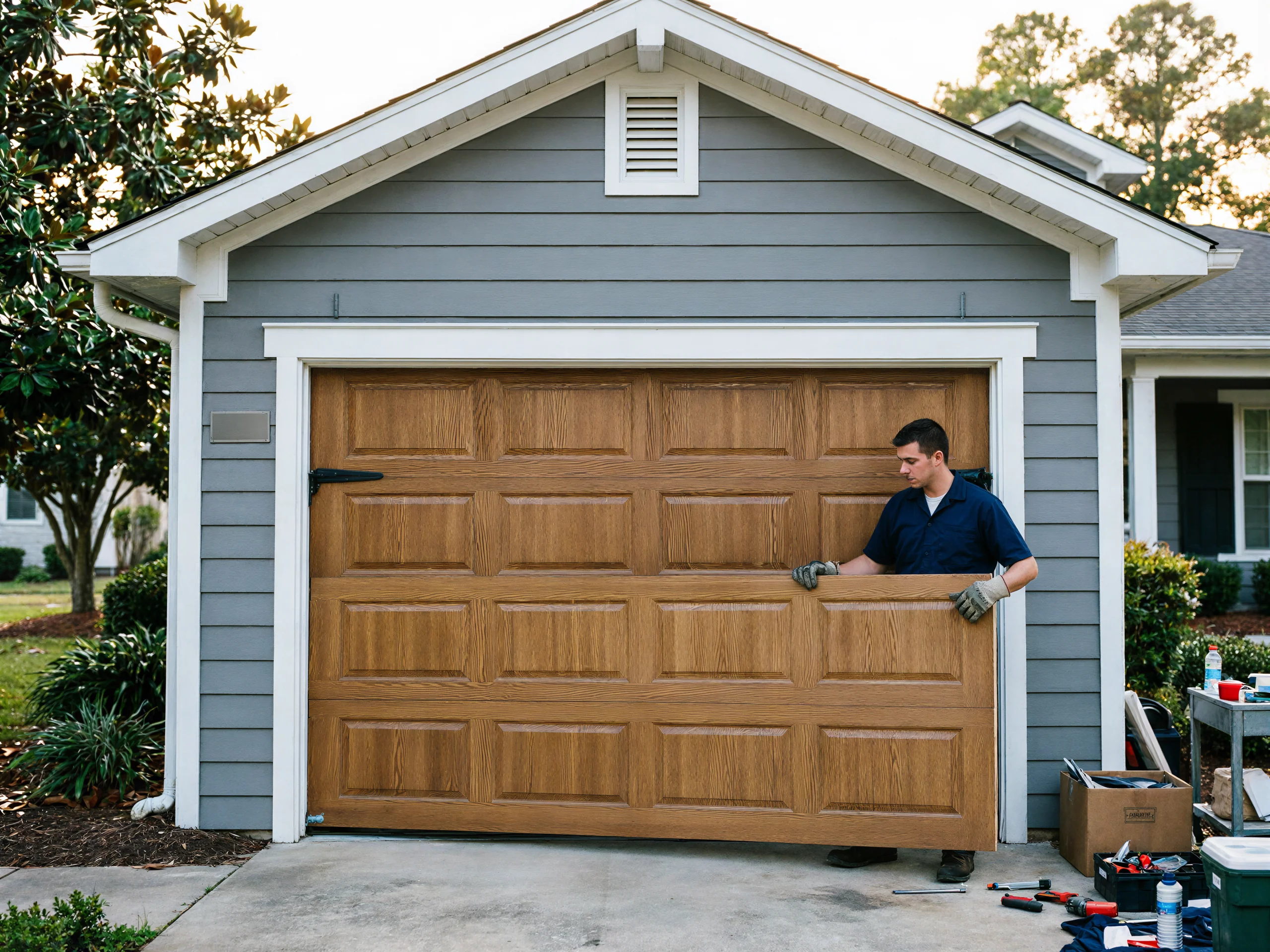
On an older opening, we note where framing has shifted and plan hardware placement around it rather than forcing a modern standard into a space that wasn't built for one. Once the door's ordered and in, install day means pulling the old door and track completely, setting new jambs or shims where the opening needs them, and mounting the new torsion spring system to the actual condition of the header - not just the spec sheet.
Hand balance before opener
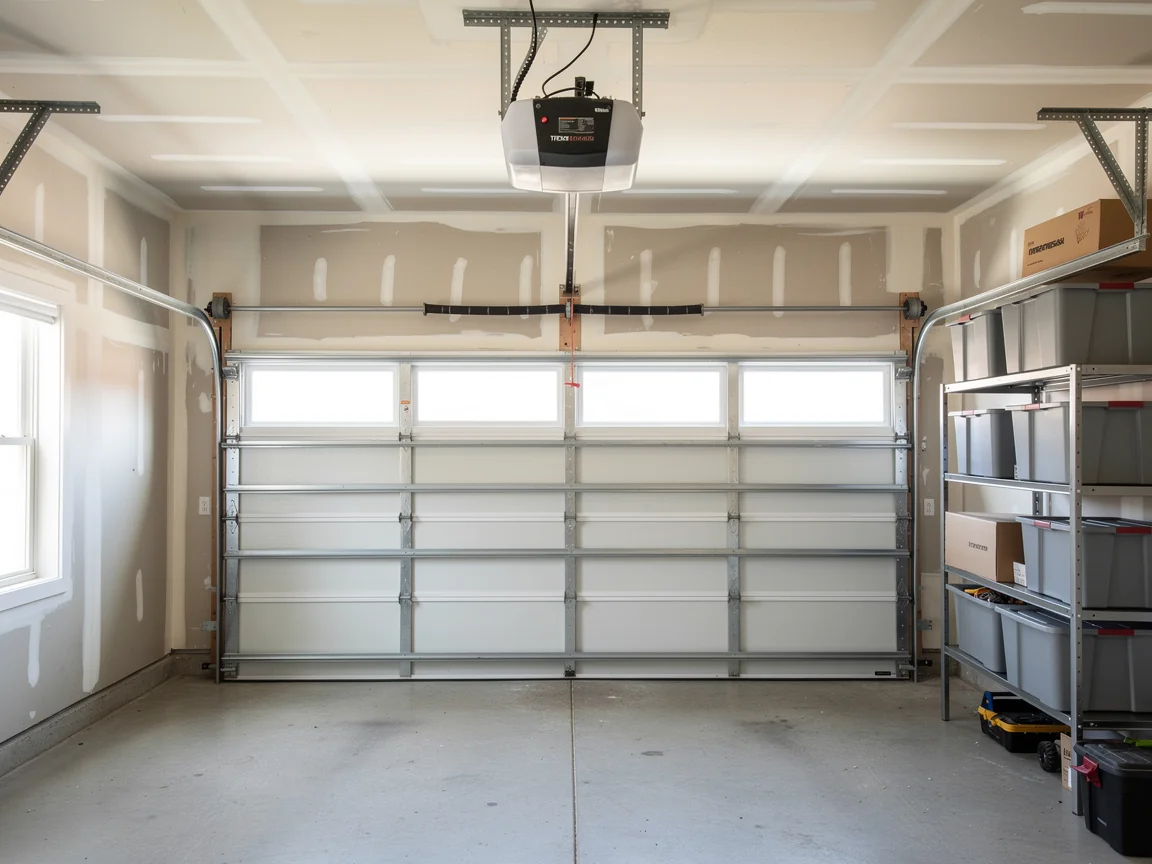
We test the balance by hand before the opener ever gets bolted on, because a door that's out of balance will wear out an opener early no matter how good the opener is.
Weatherstrip and cycle test
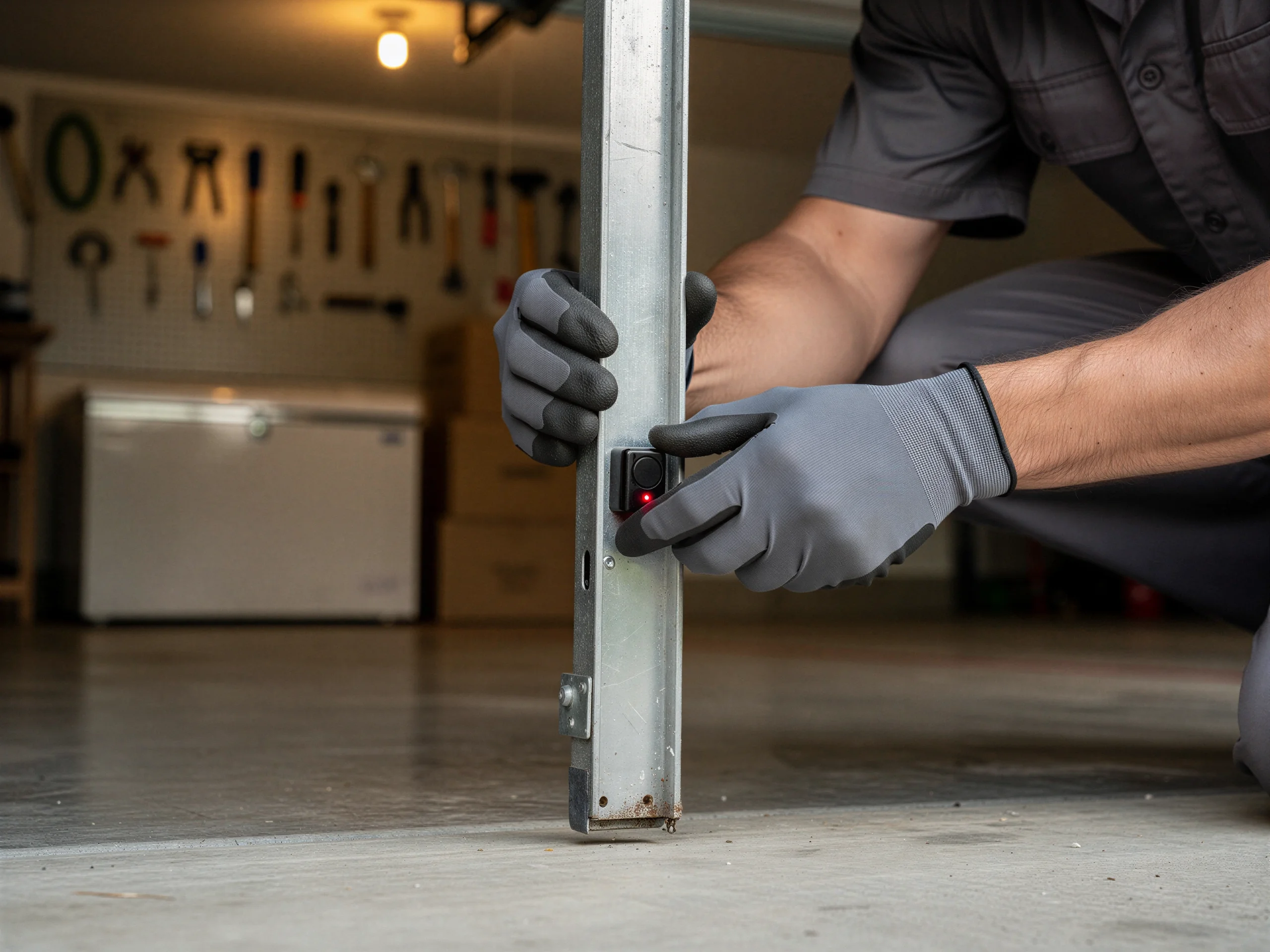
Last step is weatherstrip and a full cycle test in both directions, checking for drag or binding anywhere along the track. We'd rather spend an extra twenty minutes on that than get a callback in a month.
Talk to a local pro
Garage door service in Dallas?
Same-day service with honest, upfront quotes.