What You Are Seeing
Most houses in Fair Oaks went up around 1970, which puts this neighborhood on the older end of what we see across the wider service area, where the typical build year runs closer to 1988.
Decades of patchwork
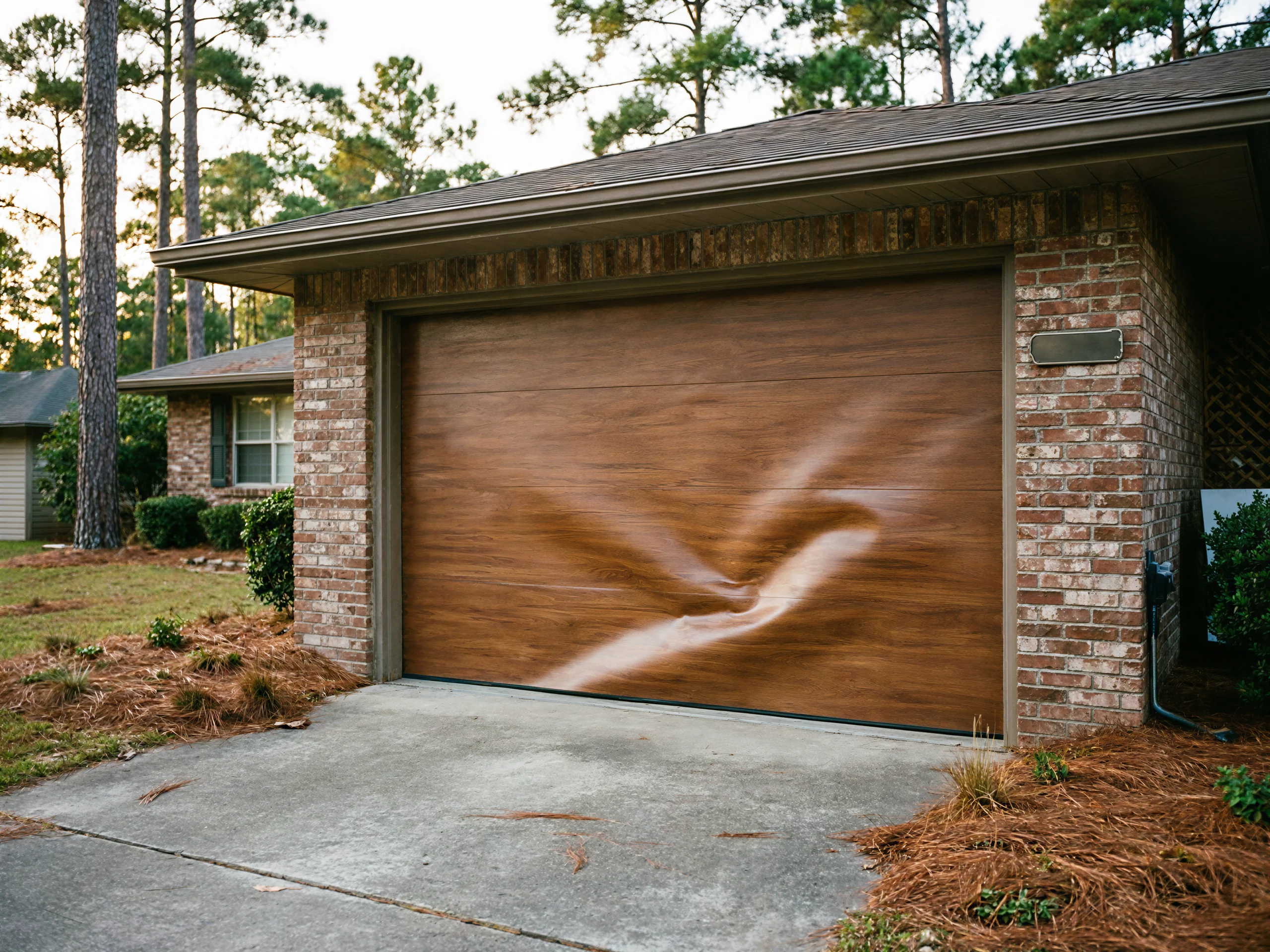
That matters for panel work because a door installed when the house was new has had over fifty years to collect dents, rust seams, and mismatched refinishing from whoever patched it last.
Original hinges and stiles
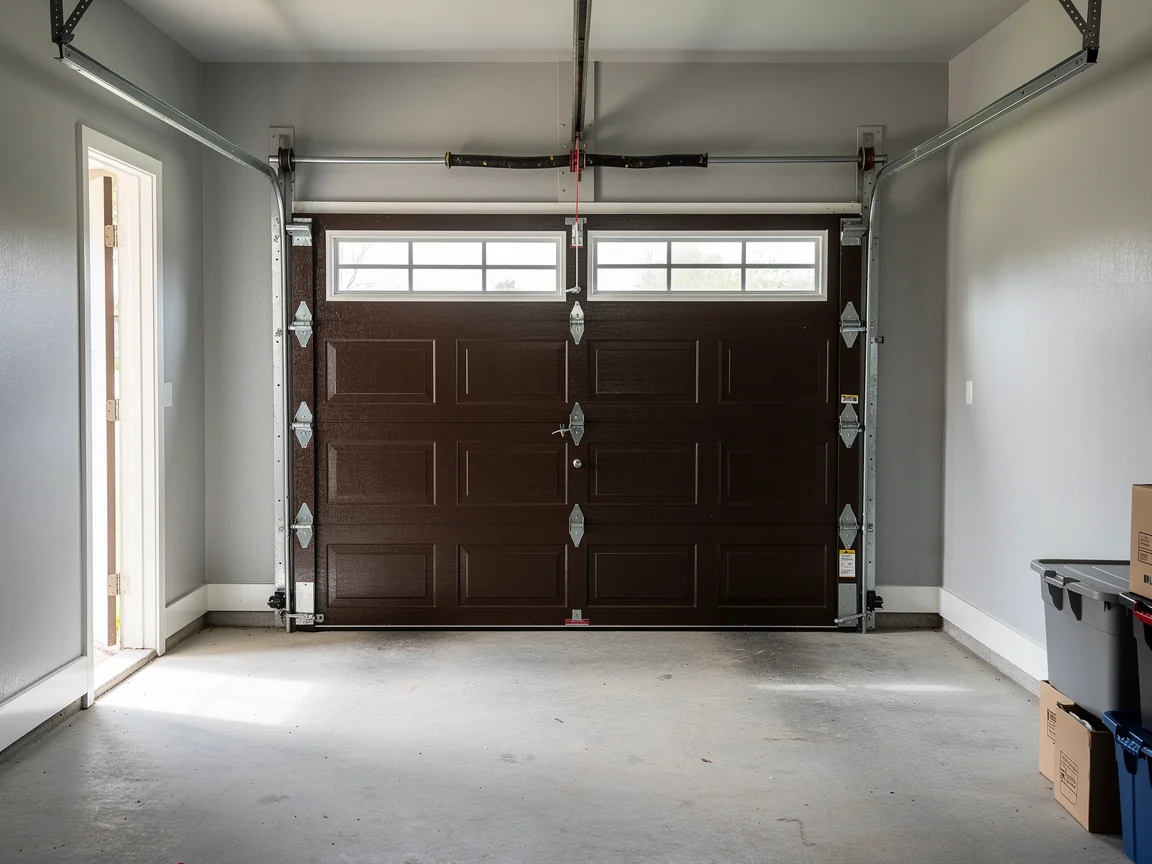
On a lot of these doors, the track, the hinges, and even the end stiles are still the originals - nobody ever had a reason to touch them until one panel got crumpled by a trailer hitch or a basketball backboard. When we pull up to a Fair Oaks job, we're not guessing whether the hardware is old; with a 1970 build year, it almost always is.
Matching groove and width
That changes how we approach a single cracked or dented panel: matching width, matching the groove profile on the stile, and checking whether the rest of the door can even take a modern panel without binding the track. We've seen doors where the track pitch doesn't match anything cut after the mid-1980s, so replacement isn't a catalog pick, it's a measuring job first.
Booking a Visit
We cover Fair Oaks from our shop in Dallas, about 17 miles out, so we schedule the visit once we know roughly what we're dealing with - steel, wood composite, number of panels affected, and whether the door is a standard 2-car width. A phone description and a couple of photos go a long way toward making sure the truck leaves with the right stock on board instead of a second trip. We don't keep a branch in Fair Oaks itself; every job here is a drive from Dallas, which is part of why getting the panel size and hinge spacing right before we arrive saves everyone time. If you can get the model sticker off the inside of the door, even a partial number, that's worth more than a description over the phone.
The DIY Question
Swapping a single panel sounds simple until you're the one holding a torsion-loaded door open with a screwdriver. On a door built when the house was new, the spring tension was set for the original panel weight - a mismatched replacement panel, even a few pounds off, throws that balance off and strains the opener or the cables on the next cycle.
Bottom panel DIY
We're not going to tell you it can't be done by a careful homeowner; some can manage a bottom panel swap on a door with no spring involvement.
Mid-height panel complexity
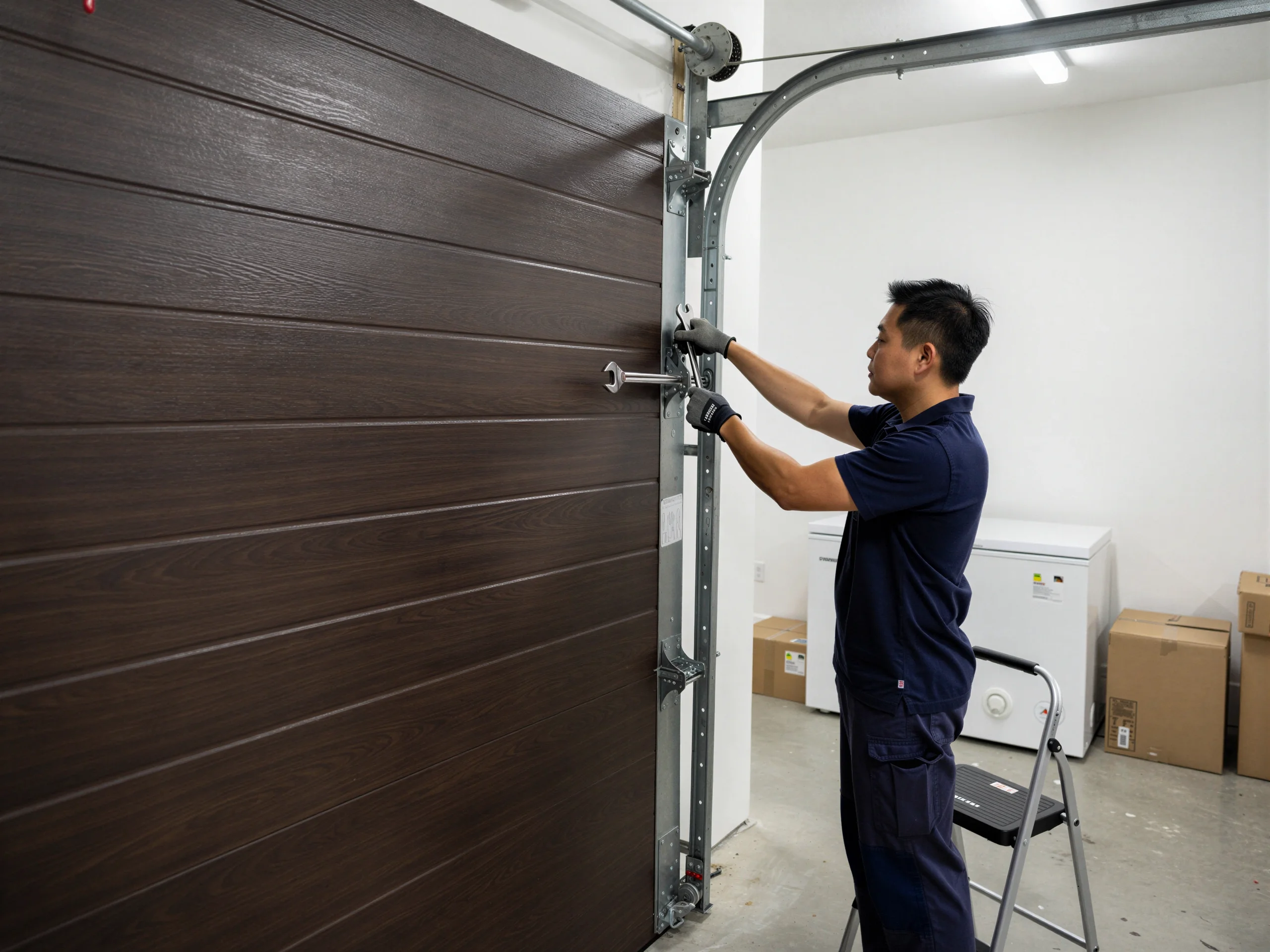
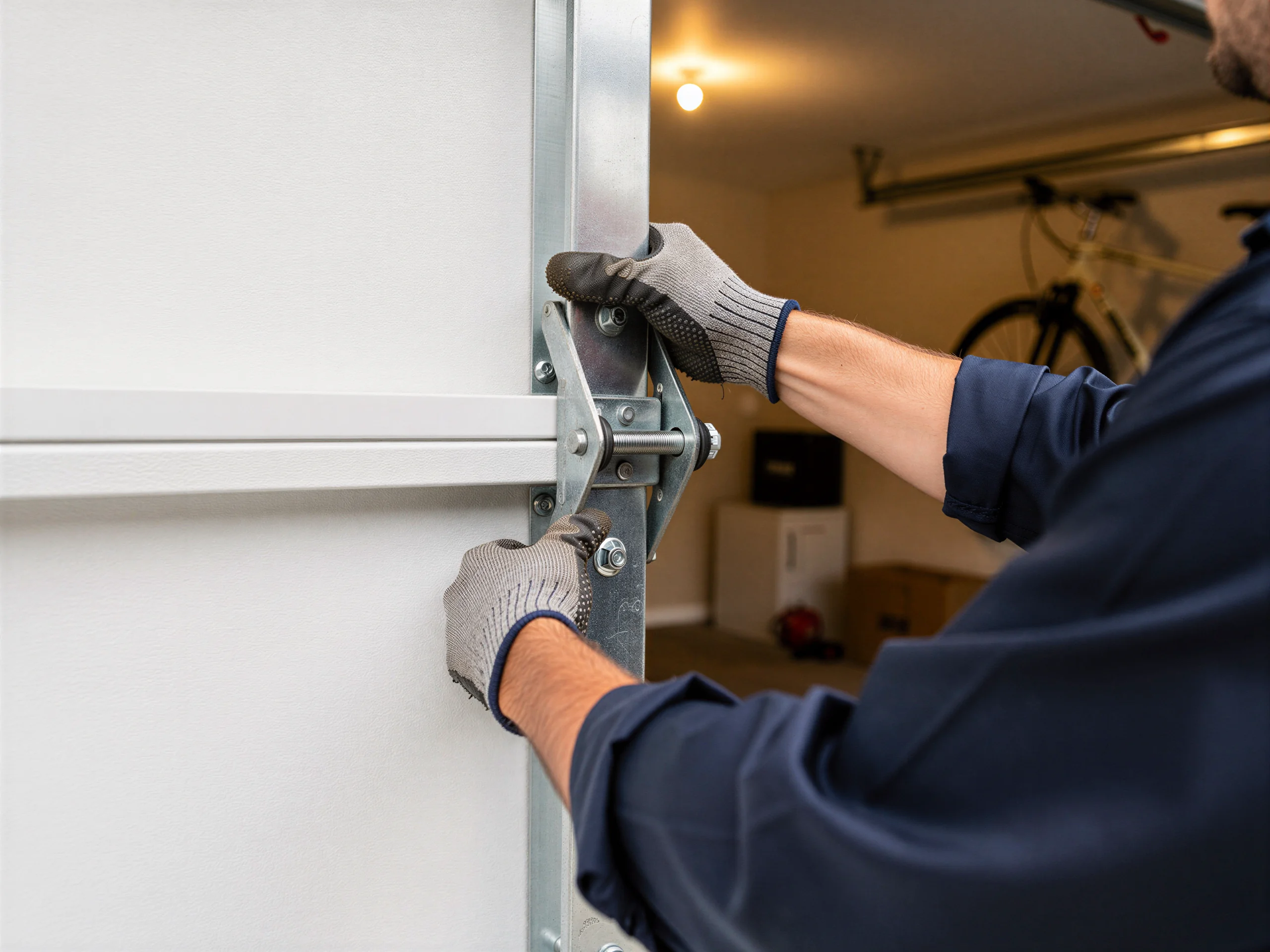
But a mid-height panel on a four-section door usually means disconnecting the opener, supporting the door, and getting the hinge bolts out without warping the stile - and on hardware this old, bolts shear more often than they back out clean.
Second pair of hands
If a job turns into cutting a rusted bolt or discovering the track is bent, that's when a second set of hands and the right jack matters more than the panel itself.
Where This Job Goes Sideways
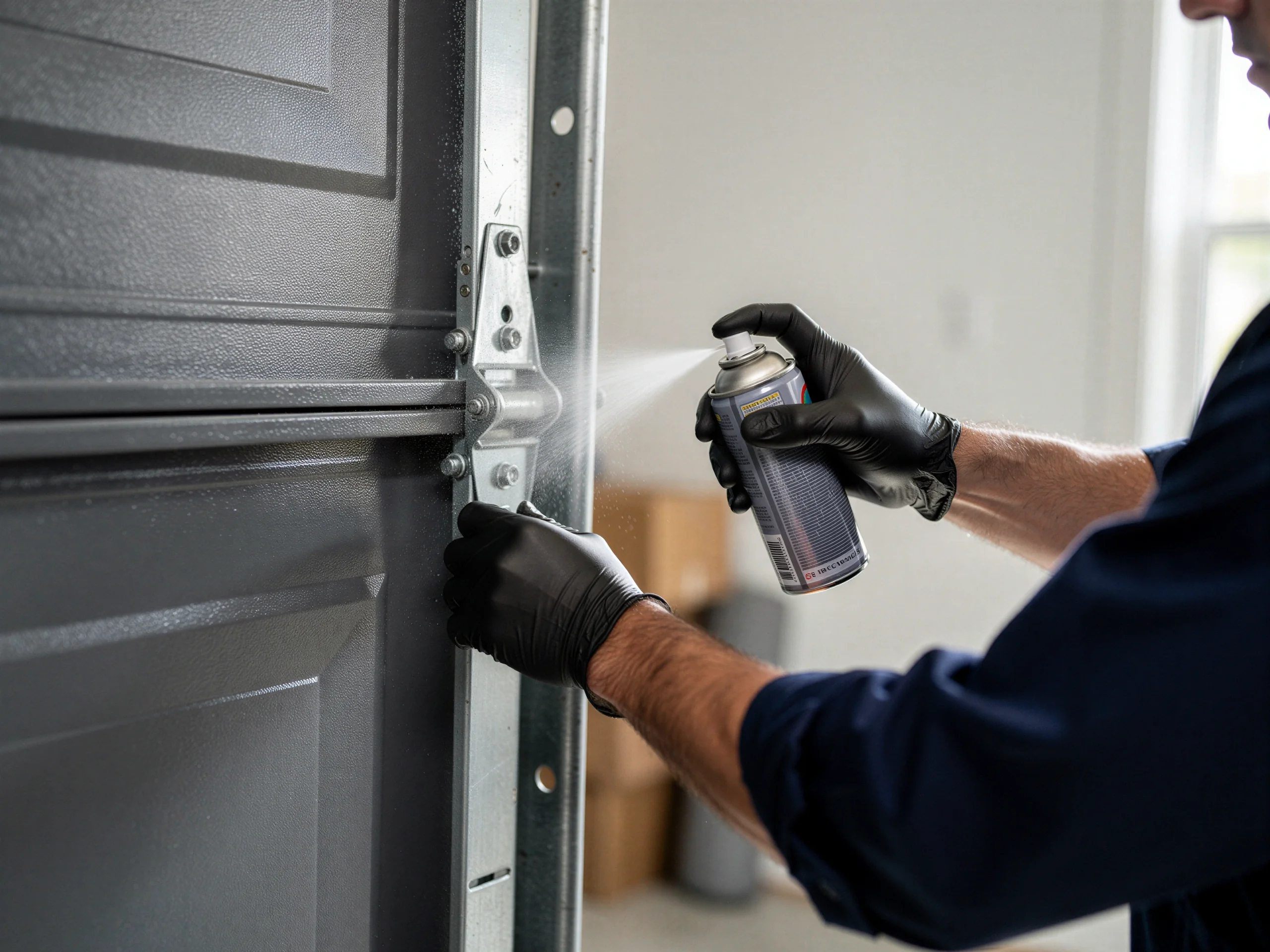
The panel itself is rarely the hard part. The hard part is everything bolted to it. On a door from 1970, hinges have usually been painted over at least once, which hides corrosion until you try to pull a bolt and it snaps flush with the metal.
Out-of-plumb track surprise
Track alignment is another spot - decades of settling can leave the track a quarter inch out of plumb, which was never a problem for the original panel but becomes one the moment you introduce a new, slightly stiffer replacement.
Soft stiles hold screws poorly
We also run into end stiles that have absorbed moisture over the years and gone soft at the base, so the hinge screws don't bite the way they should even after the new panel goes in.
Planned for era issues
None of this is unique to Fair Oaks, but it's common enough in housing from this era that we plan for it rather than treat it as a surprise.
What Is on the Truck
We stock panels in common steel widths and a few composite options, but matching a door built around 1970 sometimes means ordering a panel from a supplier rather than pulling one off the truck that day - groove spacing and panel height weren't standardized back then the way they are now. We carry replacement hinges, rollers, and end stile hardware in the sizes that tend to fail on doors this age, along with the jacks and clamps needed to support a door safely while the spring stays under tension. What we don't carry is a universal match for every discontinued panel profile - if your door is a style nobody's made in twenty years, we'll tell you that up front rather than force a part that won't sit flush.
How We Fix It
We start by confirming the door's measurements against what's actually on the truck or available to order, then isolate the spring tension before touching any hinge bolts.
Address stile damage first
If the stile or track shows damage beyond the one panel, we address that first - a new panel bolted to a bent track just transfers the problem to the next section.
Align and balance panel
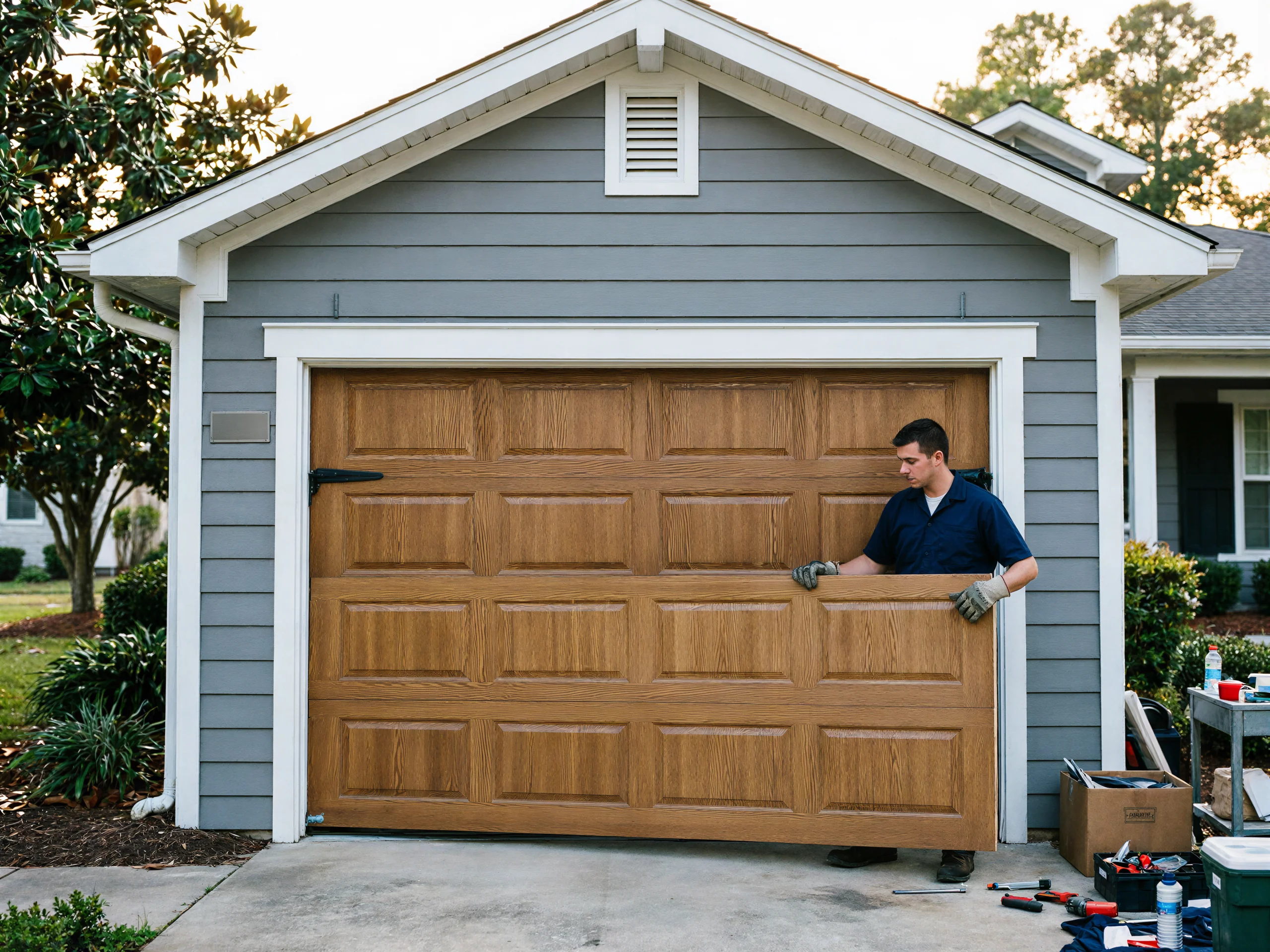
Once the hinges and rollers check out, we set the replacement panel, align it to the existing sections, and run the door through a full cycle to check balance before we call it done.
Panel swap over full door
On a household income lower than the service-area average, we try to steer toward a straightforward panel swap over a full door replacement whenever the rest of the door is sound - replacing everything is sometimes the right call, but it's not the first one we reach for.
Talk to a local pro
Garage door service in Dallas?
Same-day service with honest, upfront quotes.