What You Are Seeing
Fair Oaks sits at the older edge of the build years we work across this service area. Where a lot of the territory went up through the 1980s and 90s toward a median around 1988, Fair Oaks homes cluster closer to 1970.
Dried framing lag screws
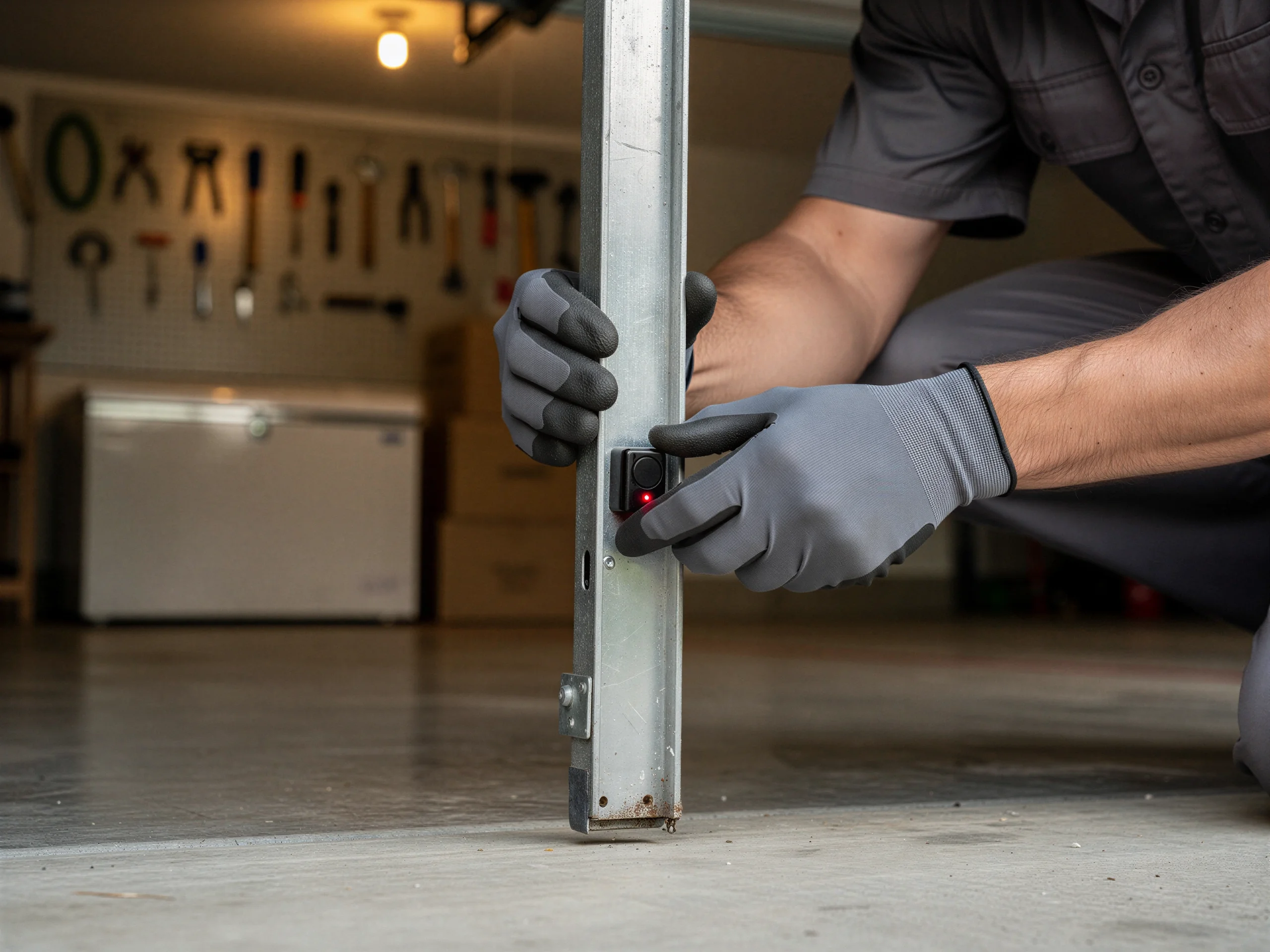
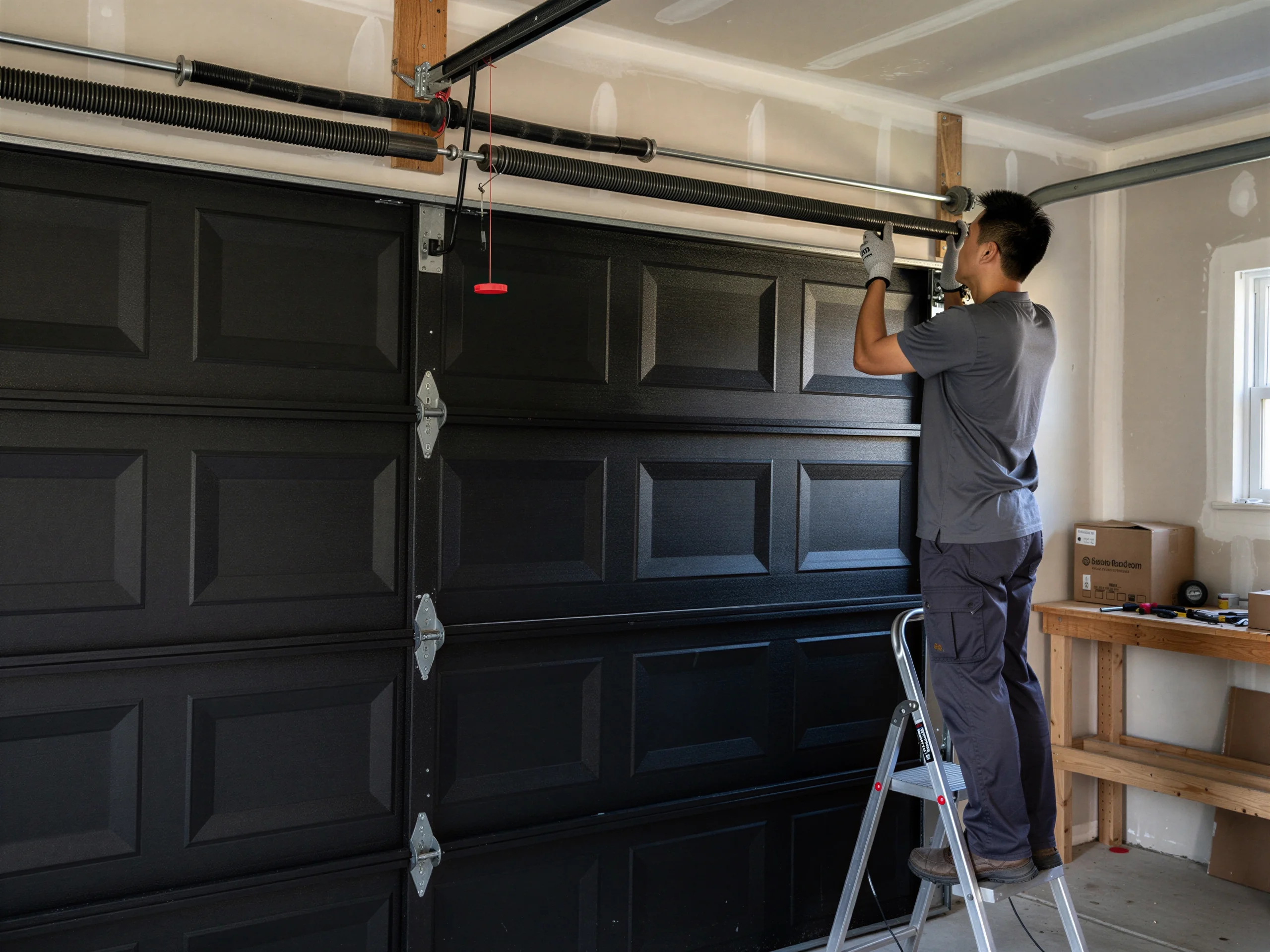
That fourteen-plus year gap matters for an off-track call. Older track brackets were often set with lag screws straight into jamb framing that has since dried and shrunk, and the horizontal track runs tend to use lighter gauge steel than what went into doors installed a decade or two later.
Bracket loosens before jump
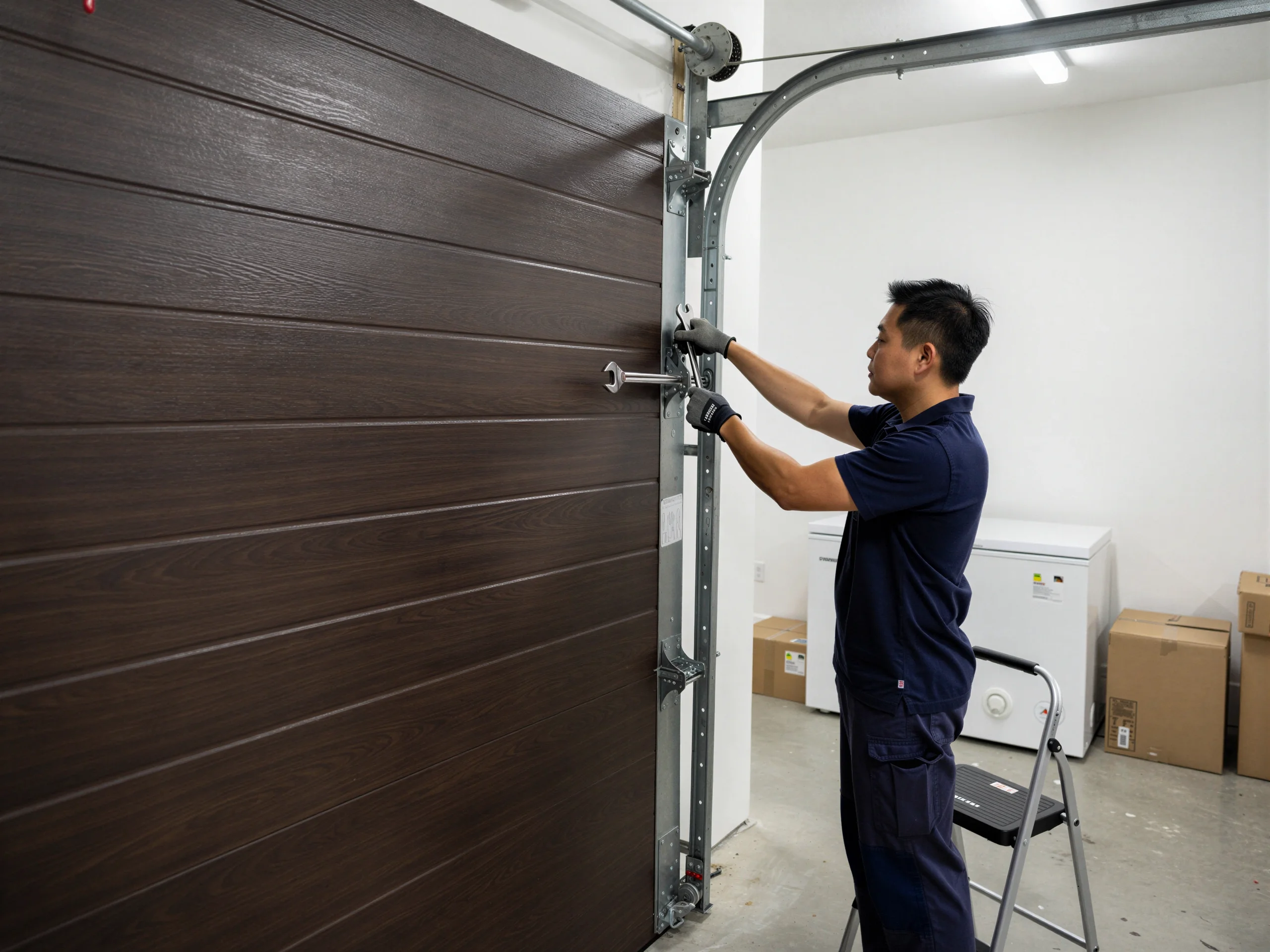
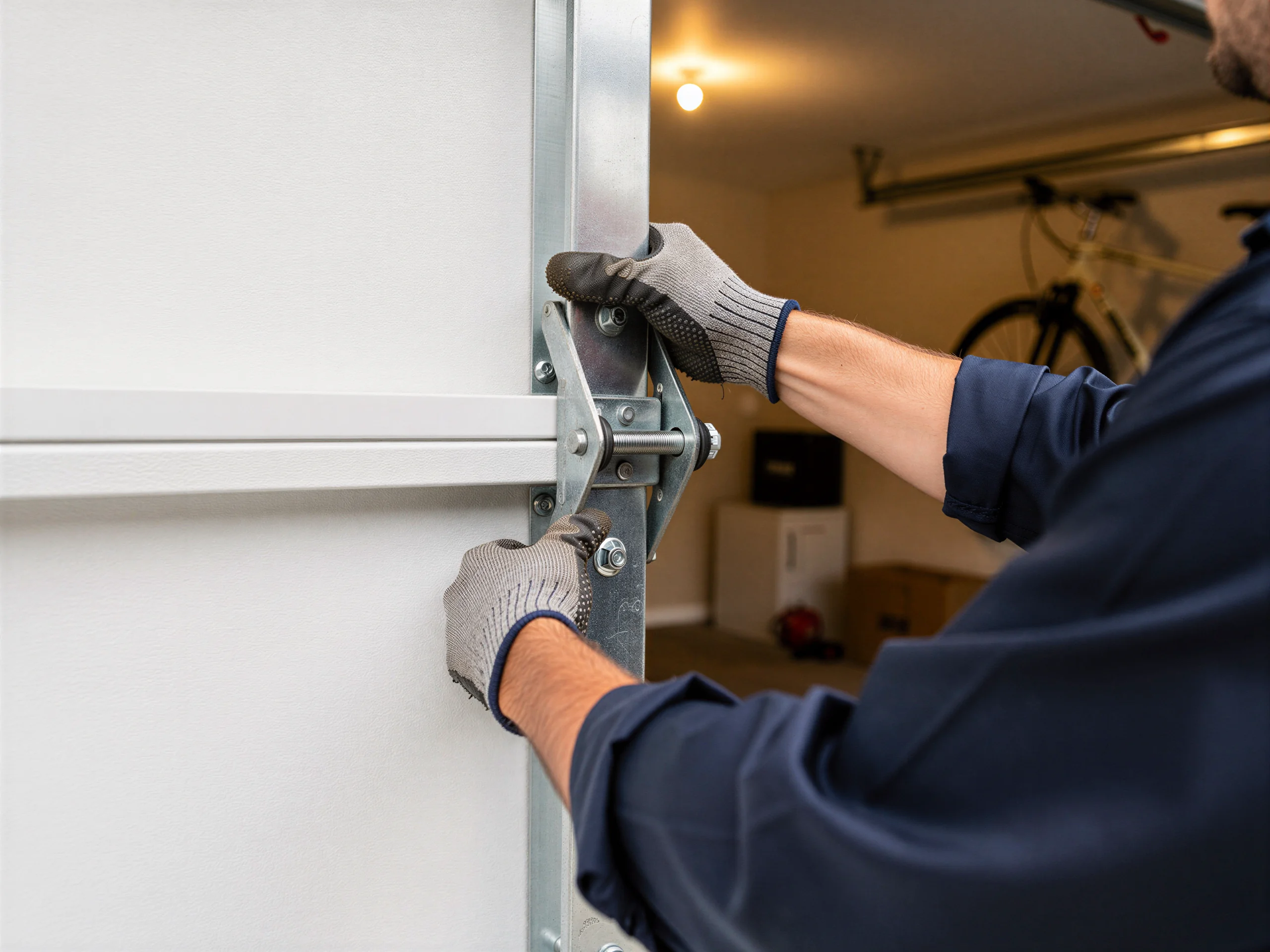
When a roller jumps the track in a house like this, it's rarely a clean pop-back. The bracket has usually worked loose first, pulling the track out of square before the door ever left the rail.
Canted door symptoms
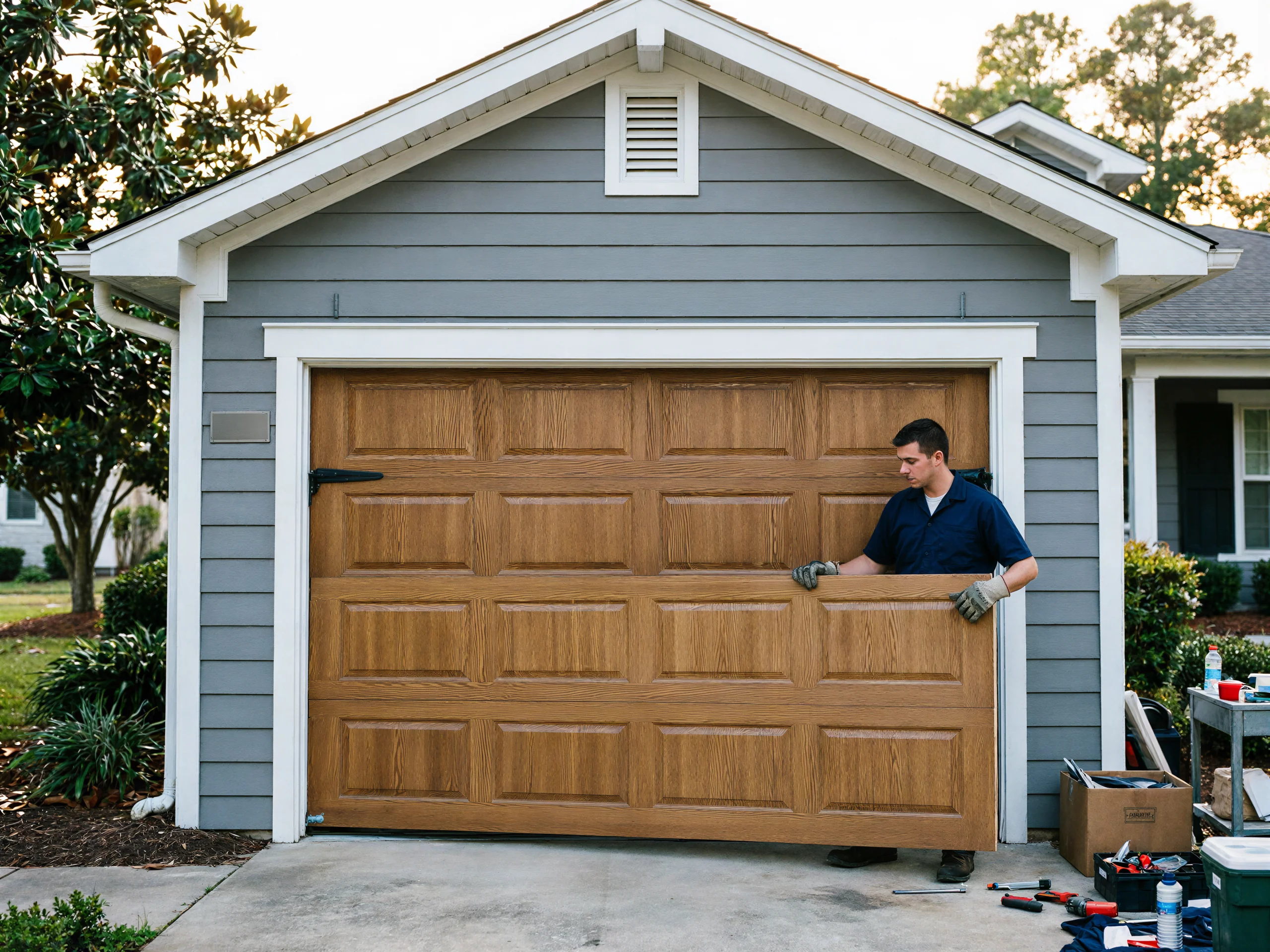
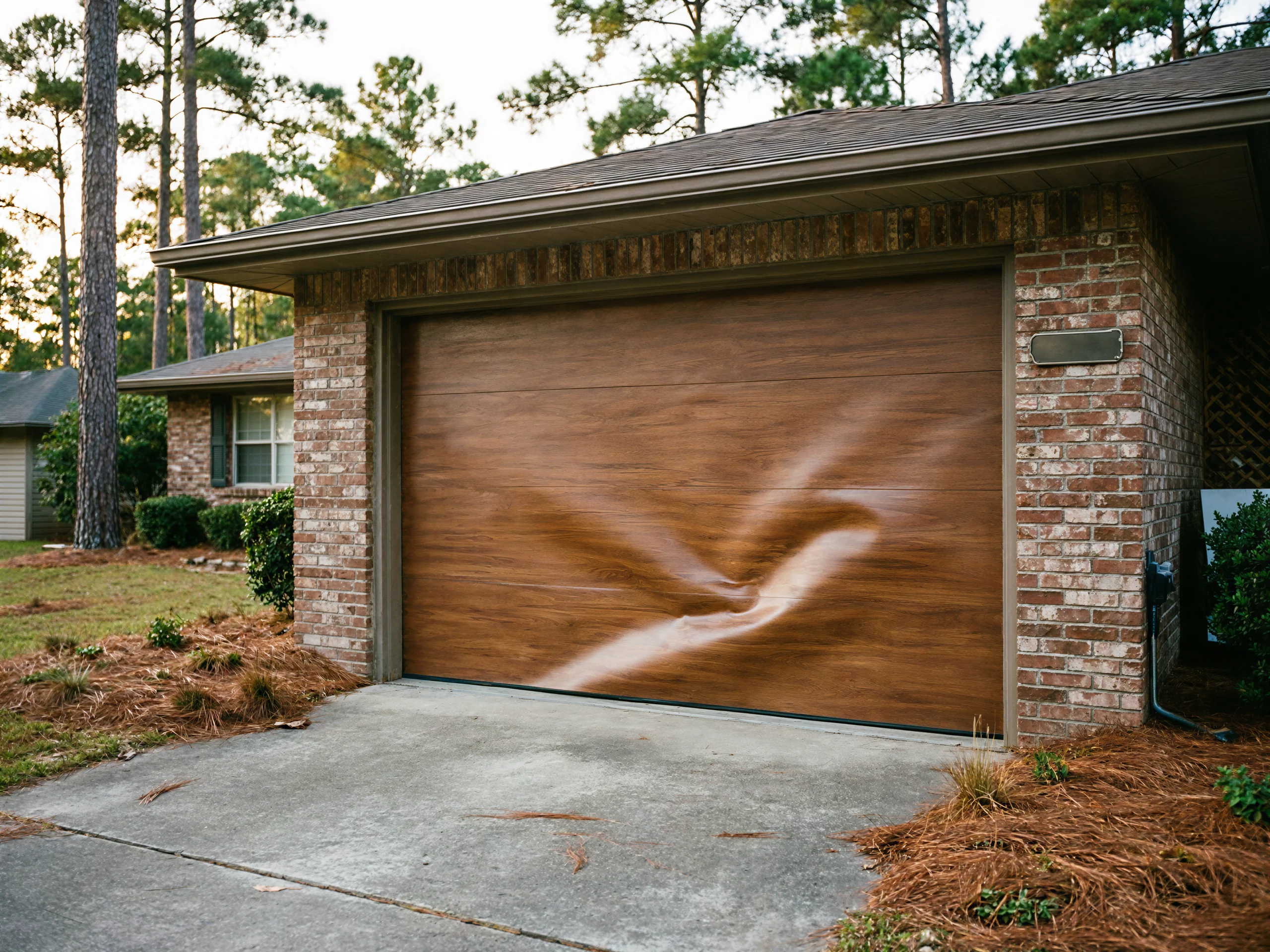
You'll see the bottom corner of the door canted, a gap along one side, or the door catching hard a foot before it reaches the floor. That's a bent track and a loose bracket working together, not just a roller problem.
Booking a Visit
We run this call out of Dallas, 17 miles up the road, so there's no local branch sitting in Fair Oaks waiting on a dispatch. We don't carry a published response window for this suburb and won't invent one. When you call, tell us the door is off track and whether it still moves by hand - that one detail changes what we load before we leave. A door that won't budge at all usually means a cable has come off the drum too, and that's a different set of parts than a simple track realignment.
The DIY Question
Pushing a panel back onto a bent track yourself is how a lot of these jobs turn into a bigger bill.
Forcing panels damages rollers
On the older hardware common in Fair Oaks, the track is often already carrying rust at the bracket bolts, and forcing a panel past a kinked section can crack the roller stem or tear the hinge right out of the panel skin.
Loose bracket bolt check
If the door still opens and closes under its own power and you just see a gap at one roller, that's worth a look before you call anyone - sometimes it's one loose bracket bolt. If the door is jammed, leaning, or the opener is still pulling against it, stop. Running the opener against a stuck door is the single fastest way to turn a $150 track adjustment into a $600 panel replacement.
Where This Job Goes Sideways
The complication in a cold-winter area like this one is metal contraction. Track brackets that are already loose from 50 years of settling tighten and loosen again with every freeze-thaw cycle through the winter, and that cycling works screws out of old framing faster than steady warm weather would.
Bracket not secured to wood
We see doors that were nudged back onto the track by a homeowner or handyman, run fine for a few weeks, then jump again the first cold snap - because the underlying bracket was never re-secured into solid wood.
Rotted jamb needs carpentry
The honest limitation here: if the jamb wood behind the bracket has rotted or split, a track repair won't hold no matter how well it's torqued down. That's a carpentry fix first, hardware fix second, and we'll tell you if that's what you're looking at before we quote the track work.
What Is on the Truck
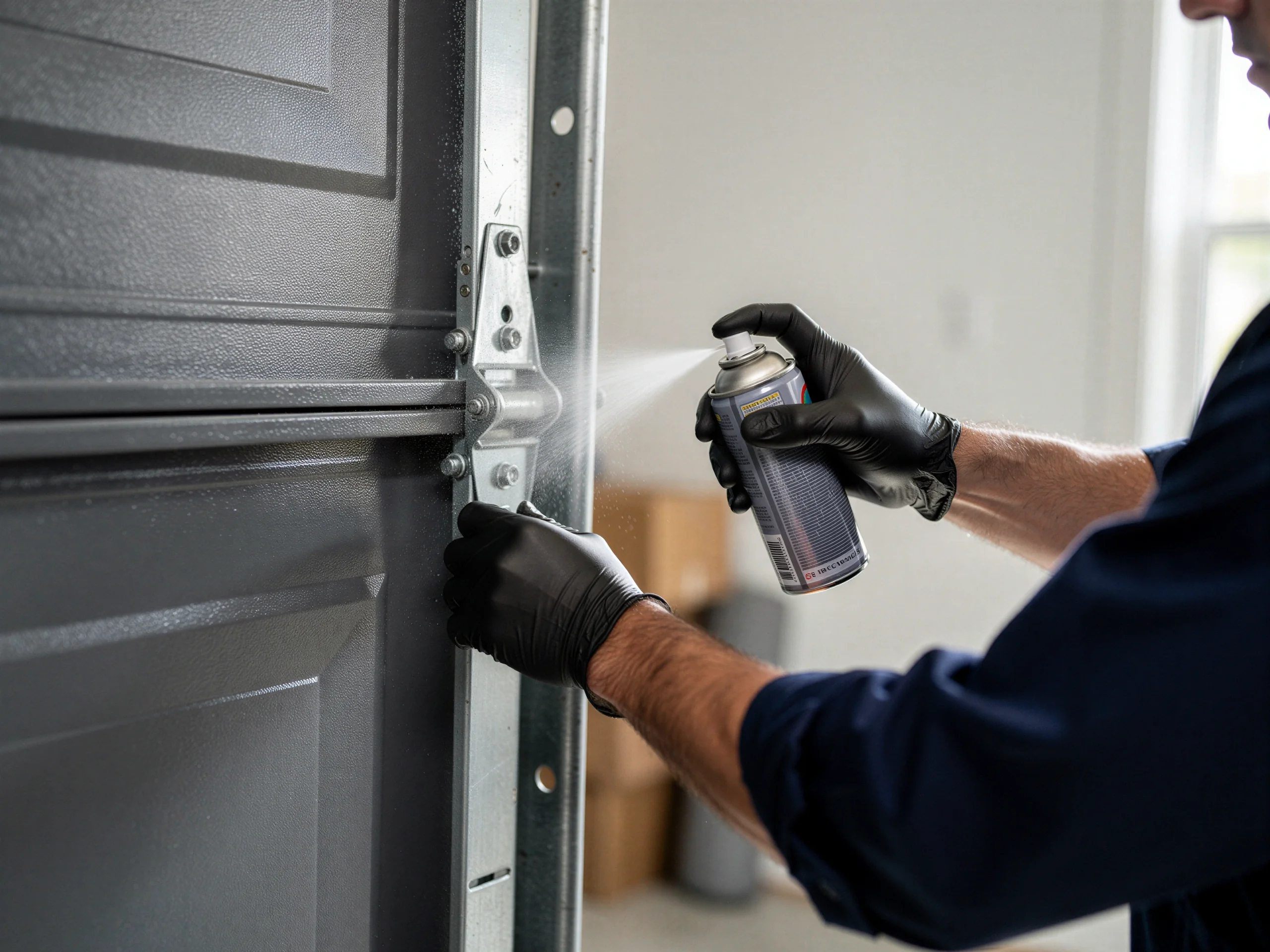
For an off-track call on housing stock from this era, we carry replacement track sections in the lengths that match 1970s door heights, galvanized lag screws sized for re-anchoring into older jamb framing, and both standard and heavy-duty roller brackets. We also bring spare nylon and steel rollers, since a lot of doors from this period are still running the original steel rollers that have worn an oval groove into the track over the decades - that wear pattern is usually what started the jump in the first place.
How We Fix It
First we check whether the door came off because of a bent track, a failed bracket, or a broken cable - the fix is different for each and guessing wrong wastes a trip. If the track is bent, we pull it, check the bracket anchor points for solid wood, and reset or replace the section rather than trying to hammer a kink flat, since a flattened kink almost always re-bends at the same spot. If the bracket pulled loose from old framing, we relocate the anchor to solid wood nearby rather than reusing the same worn holes. Once the track is true and square, we run the door by hand through a full cycle before we ever reconnect the opener, checking for drag or binding at every roller. Only then do we test it under power.
Talk to a local pro
Garage door service in Dallas?
Same-day service with honest, upfront quotes.