What You Are Seeing
Fair Oaks houses went up mostly around 1970, which puts a lot of these garages a decade or more ahead of the newer stock you see elsewhere in the county.
Builder-era door sizes
That means the door bolted to the frame is often a steel sectional panel sized for the openings builders used back then - commonly a single 16-foot double or a narrower single-car door - hung on hardware that was never upgraded past what came with the house.
Torsion bar or extensions
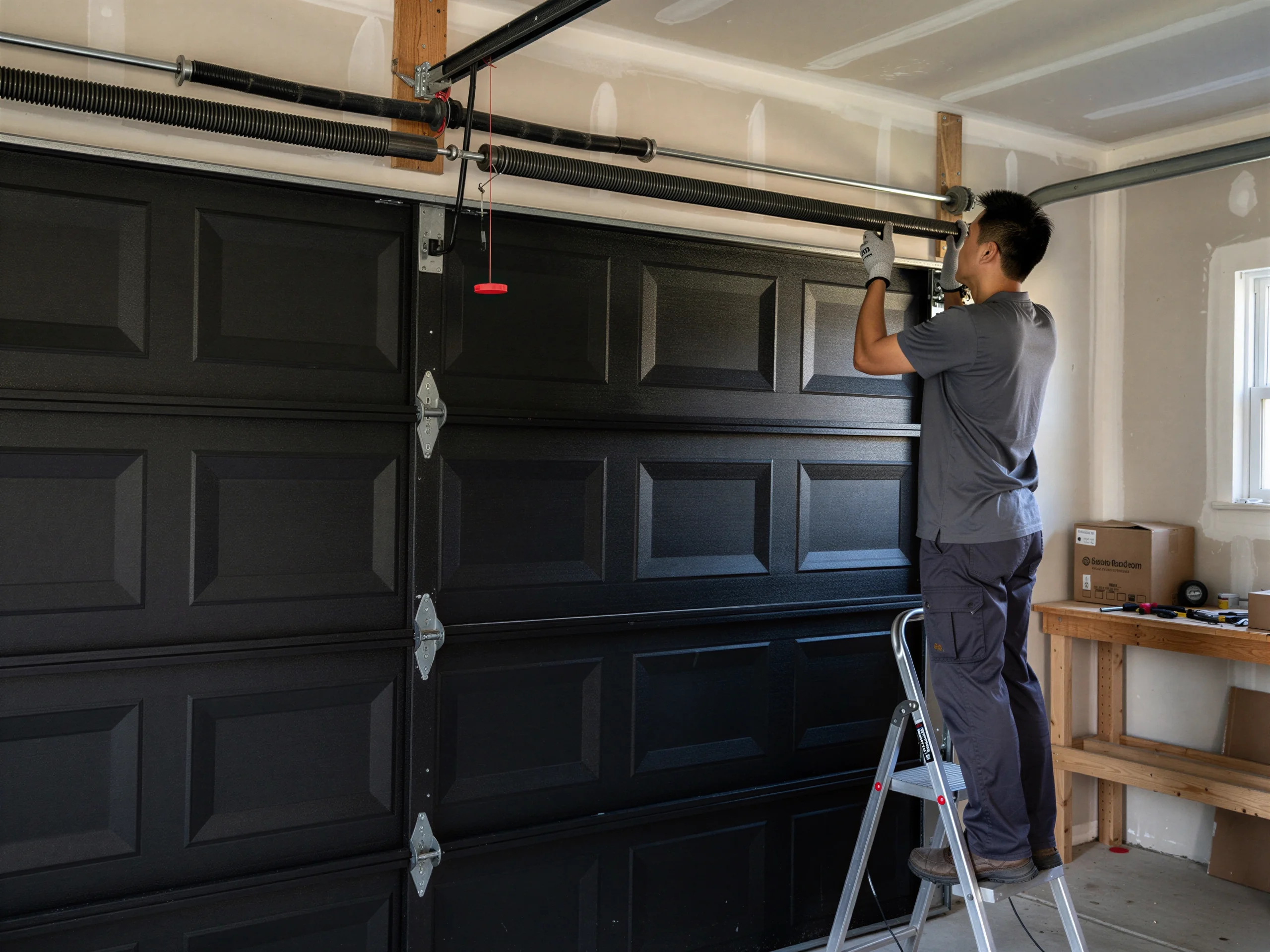
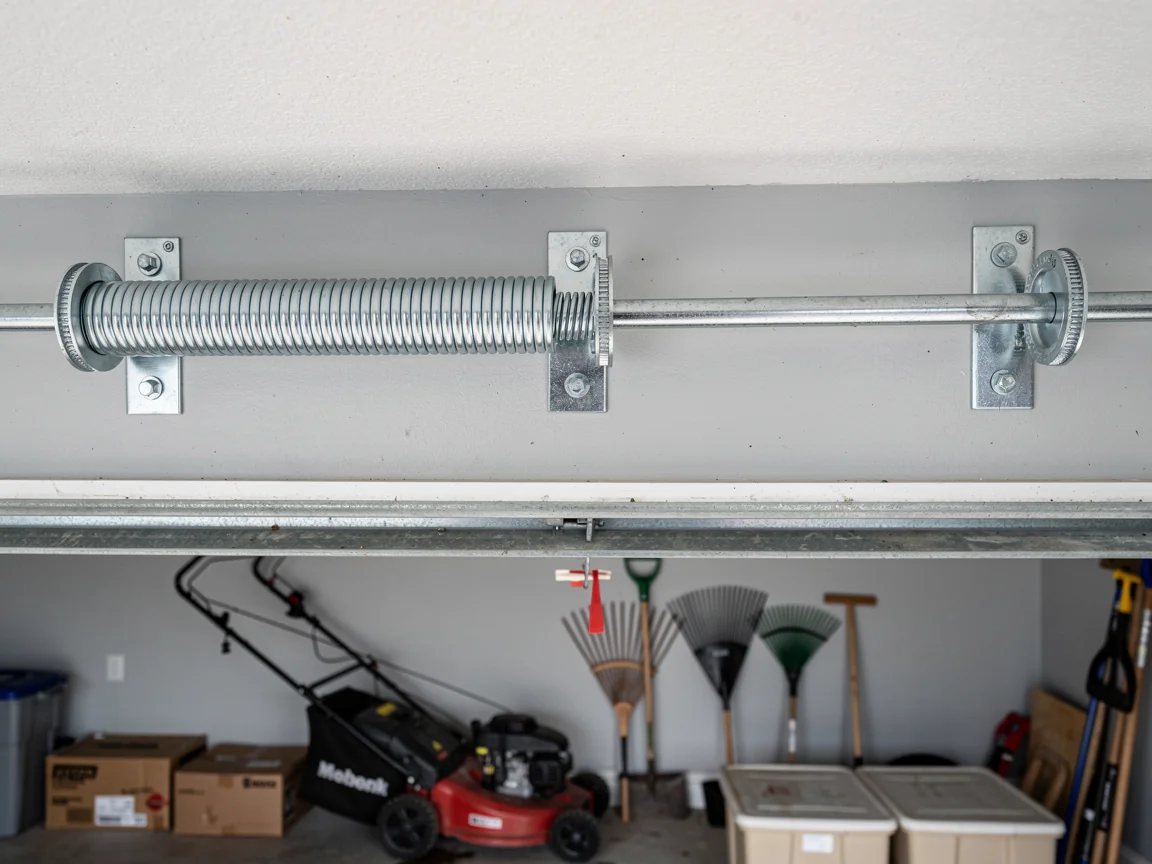
The spring setup on these is usually a single torsion bar over the header or, on the older end of that range, a pair of extension springs running along the horizontal tracks. Either way, decades of cycling through cold winters and humid summers fatigues the steel.
Dropping door after break
When a spring breaks on one of these doors, the door doesn't ease down - it drops, hard, and the opener strains to lift weight it isn't rated for anymore. If you hear a bang from the garage and the door won't budge, that's almost always the spring, not the opener.
Booking a Visit
We run out of Dallas and cover Fair Oaks as part of our regular route - it's about 17 miles, so we schedule the trip rather than treat it as a same-block call. When you reach out, tell us what the door is doing (won't lift, slammed down, cable hanging loose) and roughly how old the house is. That's enough for us to bring the right spring size on the first trip instead of guessing and coming back. We don't keep a branch in Fair Oaks itself, so visits here are planned into the day's run, not dropped in on an hour's notice.
The DIY Question
A broken torsion spring is one of the few garage repairs we'll tell you flat out not to touch yourself.
Brackets crack under tension
The spring is wound under several hundred pounds of tension, and on a door this age the winding cones and center bracket have had fifty-plus years to corrode or wear thin. We've seen plenty of these brackets crack the moment someone tries to back off the wind with a wrench instead of the proper bars.
Extension spring inspection risk
Extension springs are a little more forgiving to inspect, but replacing them still means working under a door that can fall if the cable isn't secured. If the only thing wrong is a frayed cable or a loose pulley, that's a smaller job - but once a spring has actually let go, this isn't a weekend project.
Where This Job Goes Sideways
On a house from this era, the spring is rarely the only thing that's tired. Pull one torsion spring off a door that's forty-plus years old and you'll often find the shaft itself pitted with rust, the bearing plates worn oval instead of round, or the drums cracked where the cable seats. Fair Oaks sits in a cold-moderate climate band, which means these parts aren't dealing with extreme heat cycling, but they do see enough freeze-thaw swing through the winter to work moisture into any exposed metal. Replace the spring alone on a door with worn-out drums and you'll be back out within the year for a cable failure. We check the shaft, bearings, and drums every time, not just the spring, because on a door this old those parts fail on roughly the same clock.
What Is on the Truck
We stock torsion and extension springs across the common sizes you'd find on a door built in the 1970-80 window - the wire gauges and lengths that fit a single 16-foot double or an 8 or 9-foot single, which covers most of what's in this area.
Accessory parts carried
We also carry standard cable, drums, and bearing plates, since those usually need attention alongside the spring on a door this age.
Non-standard springs ordered later
What we don't stock on the truck are springs for unusual or custom-width doors; if a house has had a non-standard opening cut in at some point, that's a part we order and come back for, not a same-visit fix.
How We Fix It
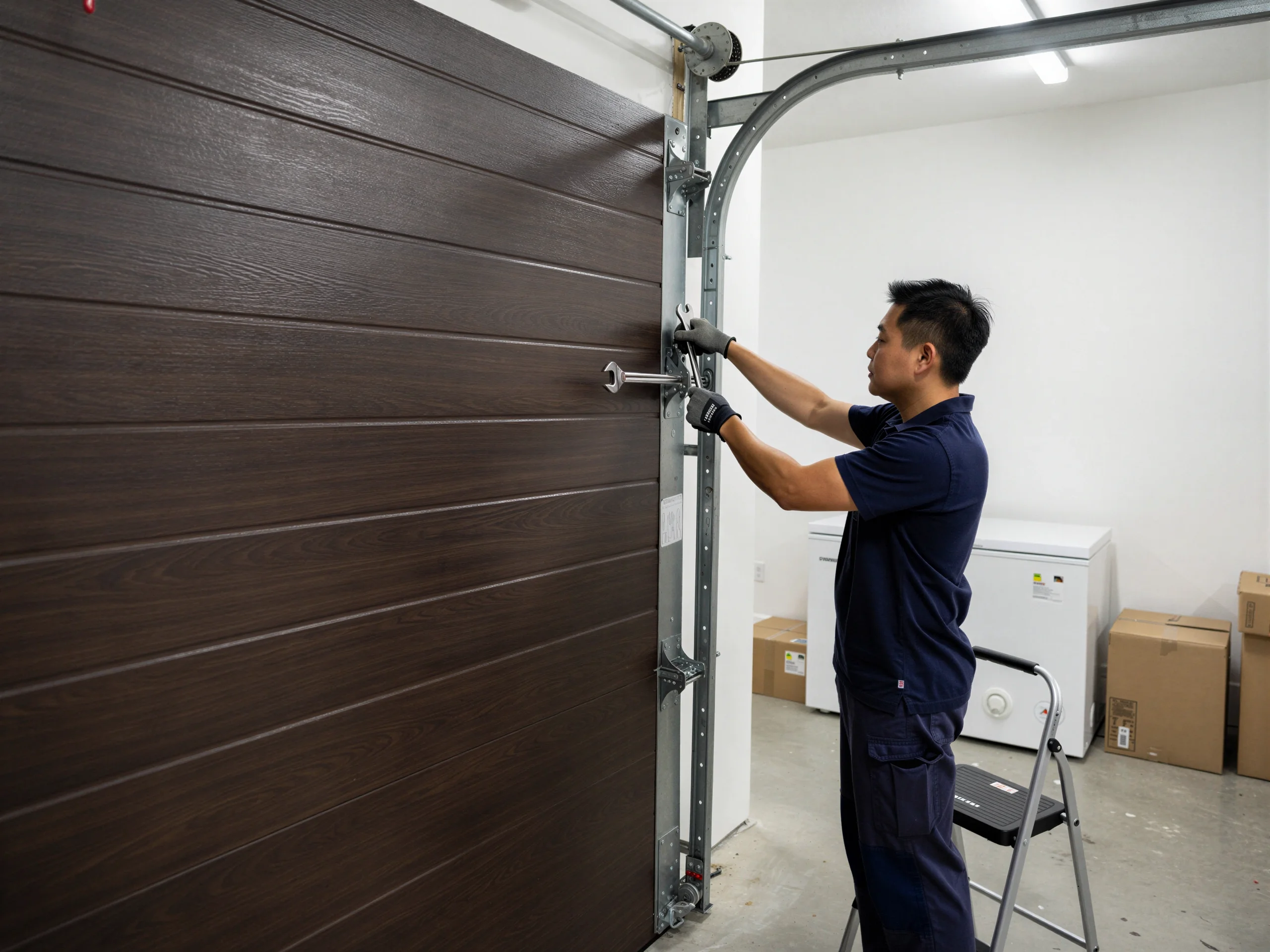
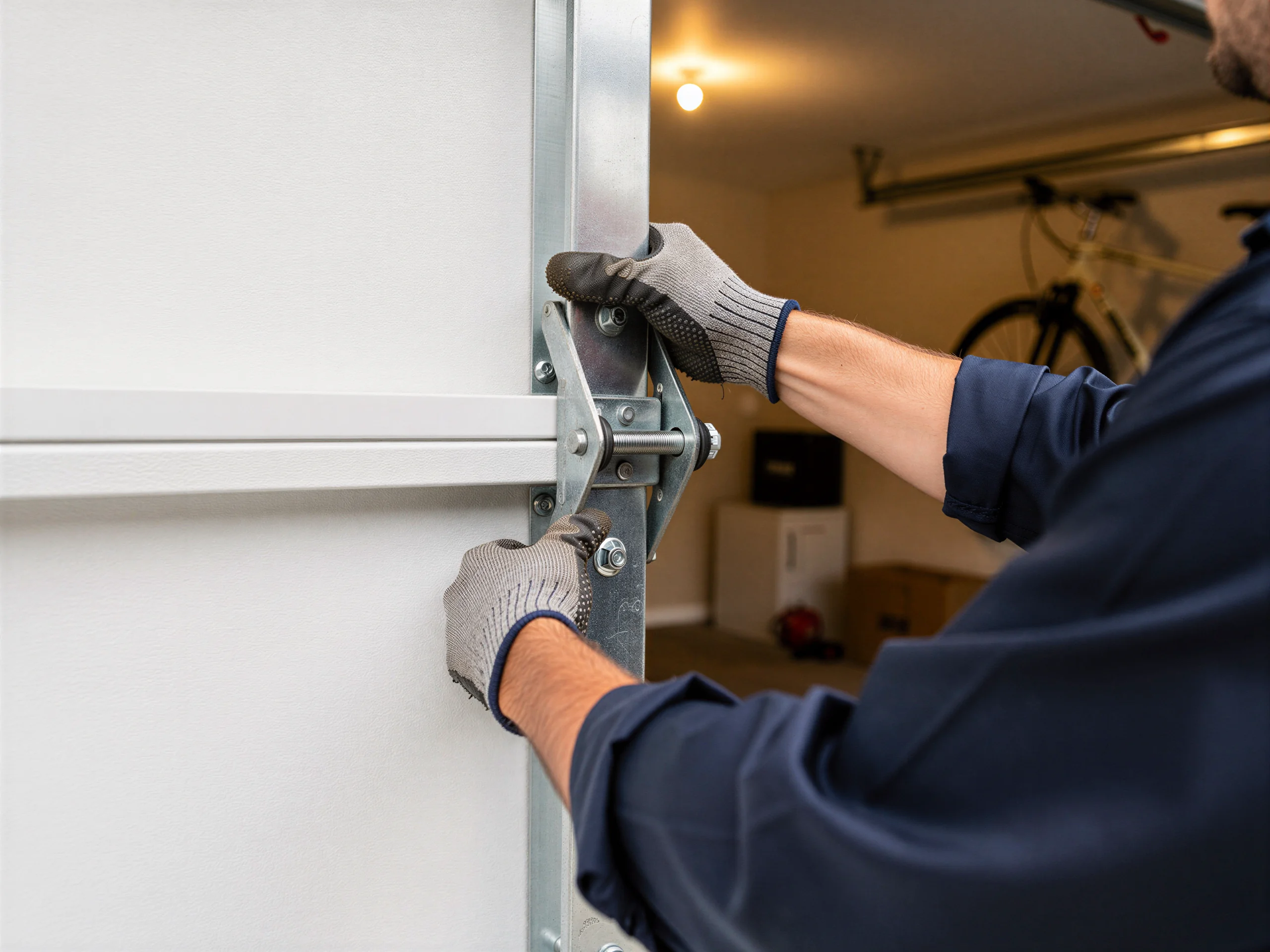
We start by cutting power to the opener and securing the door, then measure the broken spring's wire diameter, coil length, and inside diameter against the door's actual weight rather than assuming a stock size fits. On torsion setups we replace both springs even if only one broke - on a door this old, the second one is close behind. We check the shaft for rust pitting and swap worn bearings while we're in there, since leaving a bad bearing in means a new spring wearing out early. Once it's wound to the correct turns for the door's weight, we cycle it a dozen times by hand before letting the opener touch it, checking balance the whole way. If the door doesn't hold position roughly waist-high when disconnected from the opener, we keep adjusting until it does.
Talk to a local pro
Garage door service in Dallas?
Same-day service with honest, upfront quotes.