What You Are Seeing
The opener quits mid-cycle, grinds and stops, or runs the motor without the door moving. In Fair Oaks, where the median home was built around 1970, that symptom usually traces back to the same source: a chain-drive unit that's older than anything else on the house, running on a drive gear that was never rated for forty-plus years of cycles.
Jumper wires and sensors
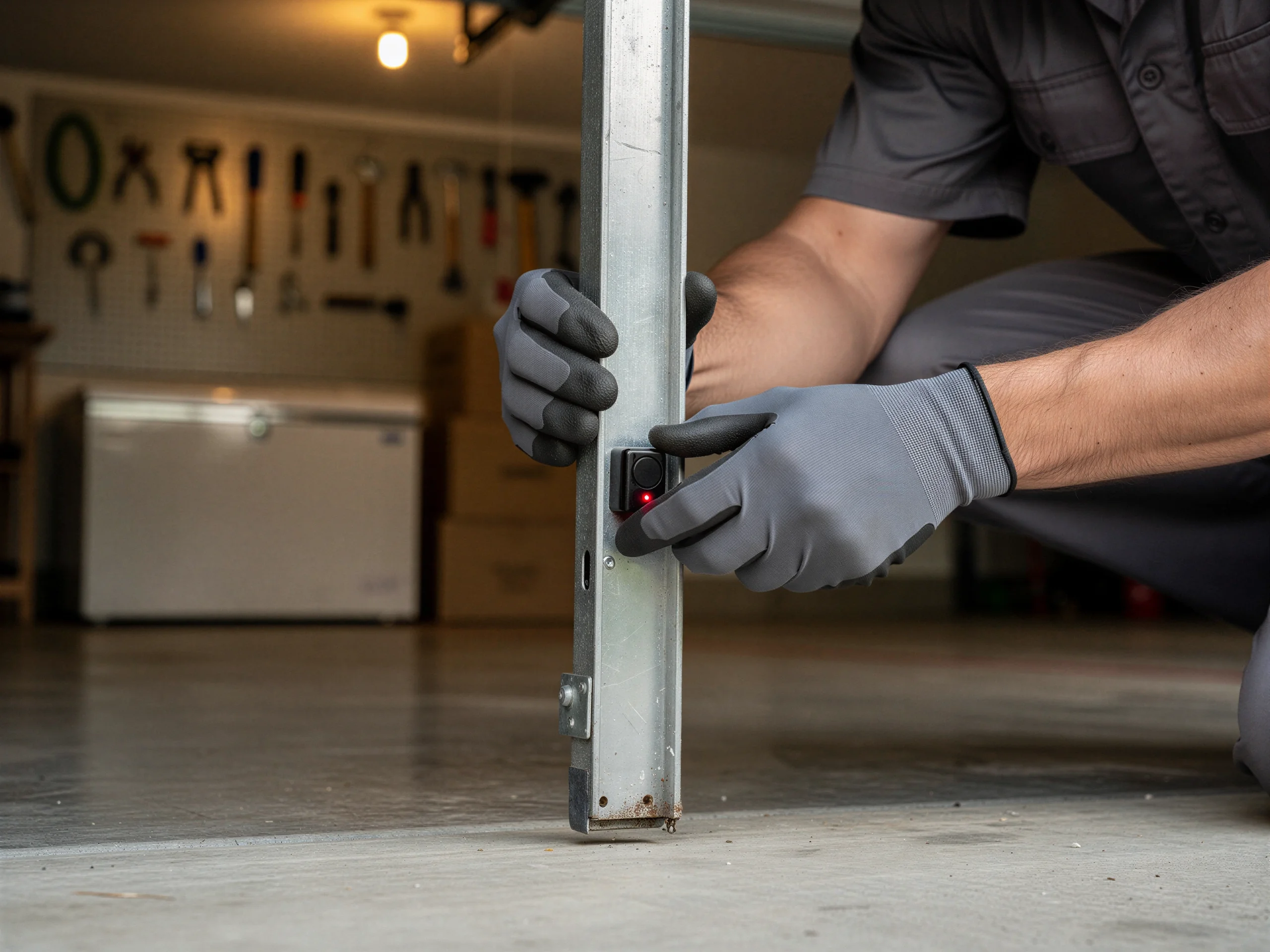
Houses from this era were built with openers that predate photo-eye safety sensors, which were mandated later and then retrofitted onto garage ceilings that weren't wired for them. We see jumper wires taped along rafters, sensors mounted at mismatched heights, and logic boards swapped once already by a previous owner who didn't match the replacement to the original rail.
Partial-fix history
None of that is a guess about your house specifically - it's what a 1970-built opener setup looks like after decades of partial fixes, and it's the first thing we check before touching the motor.
Silent opener, stuck door
If your opener is silent and the door won't budge by hand either, that's not an opener problem - that's a spring or cable, and it's a different call.
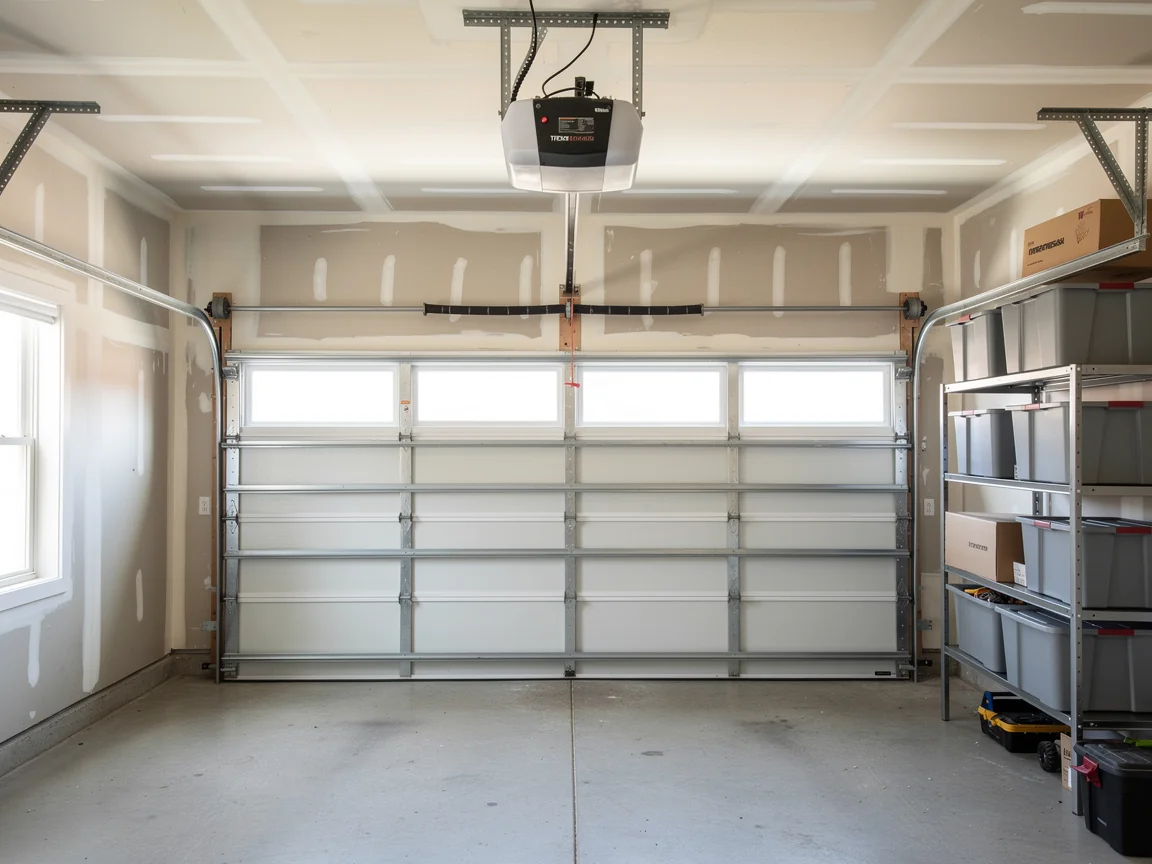
Booking a Visit
We run out of Dallas, about 17 miles from Fair Oaks. There's no branch here and we don't pretend otherwise - when you call, we schedule the drive out rather than dispatch from somewhere closer, because closer doesn't exist for us in this direction.
Tell us the opener's brand and whether it's chain, belt, or screw drive if you can see it. On a house from the 1970 era it's most often chain drive, and knowing that before we load the truck means we bring the right logic board and sensor kit on the first trip instead of a second one.
The DIY Question
Resetting the wall console, reprogramming a remote, or cleaning the photo-eye lenses - all fair for an owner to try.
Modified wiring risks boards
Replacing a logic board on a chain-drive opener from the 1970s is not, mostly because the wiring behind that board was often modified by whoever installed the sensor retrofit, and guessing wrong there can fry a new board in the first cycle.
Stripped gear swap
If the motor hums but the gear doesn't turn, that's a stripped drive gear - a 20-minute part swap for us, and genuinely not worth a service call if you're comfortable pulling the housing yourself. We'll tell you that straight if that's what you've got, even though it means no job for us that day.
Where This Job Goes Sideways
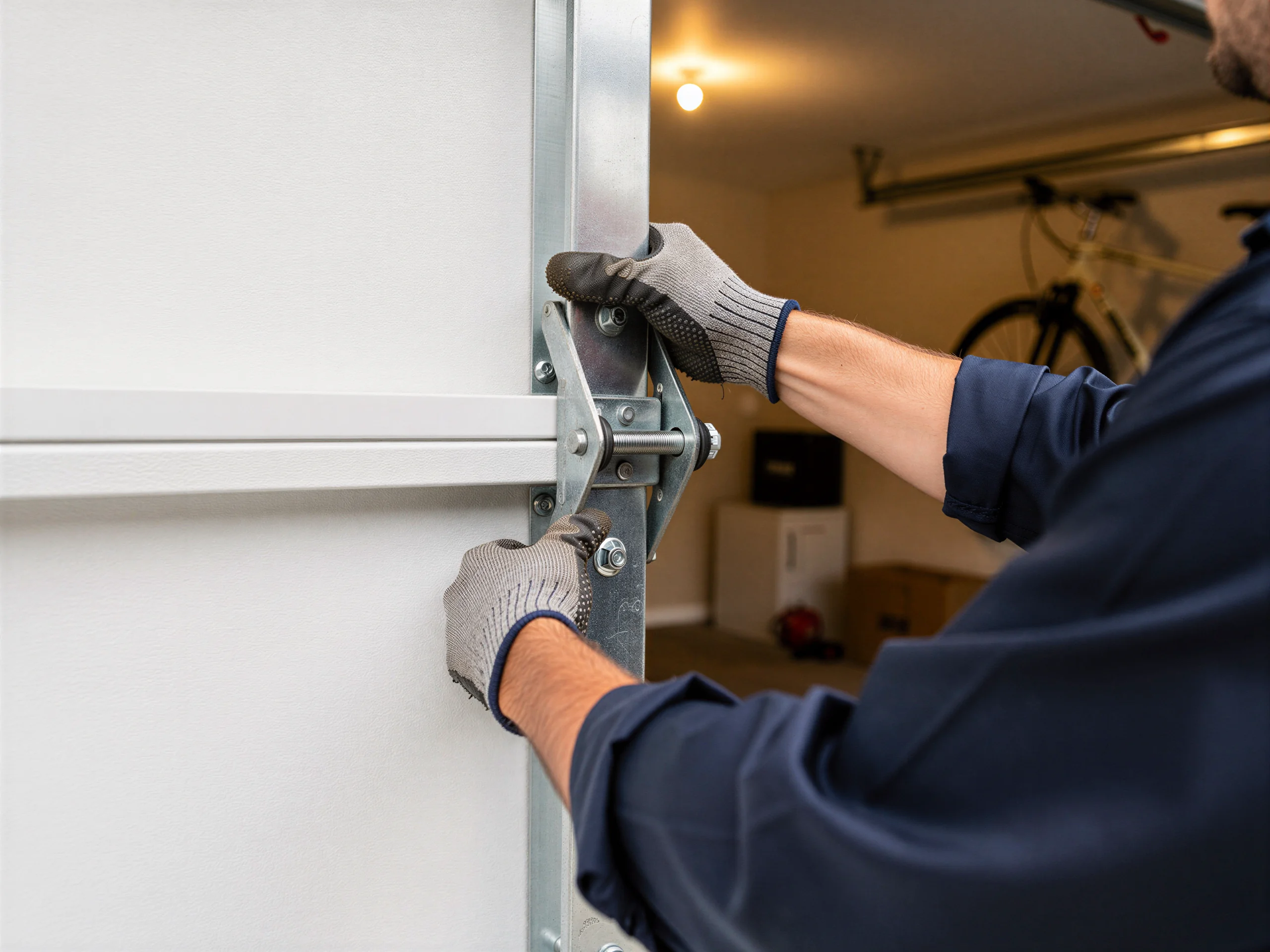
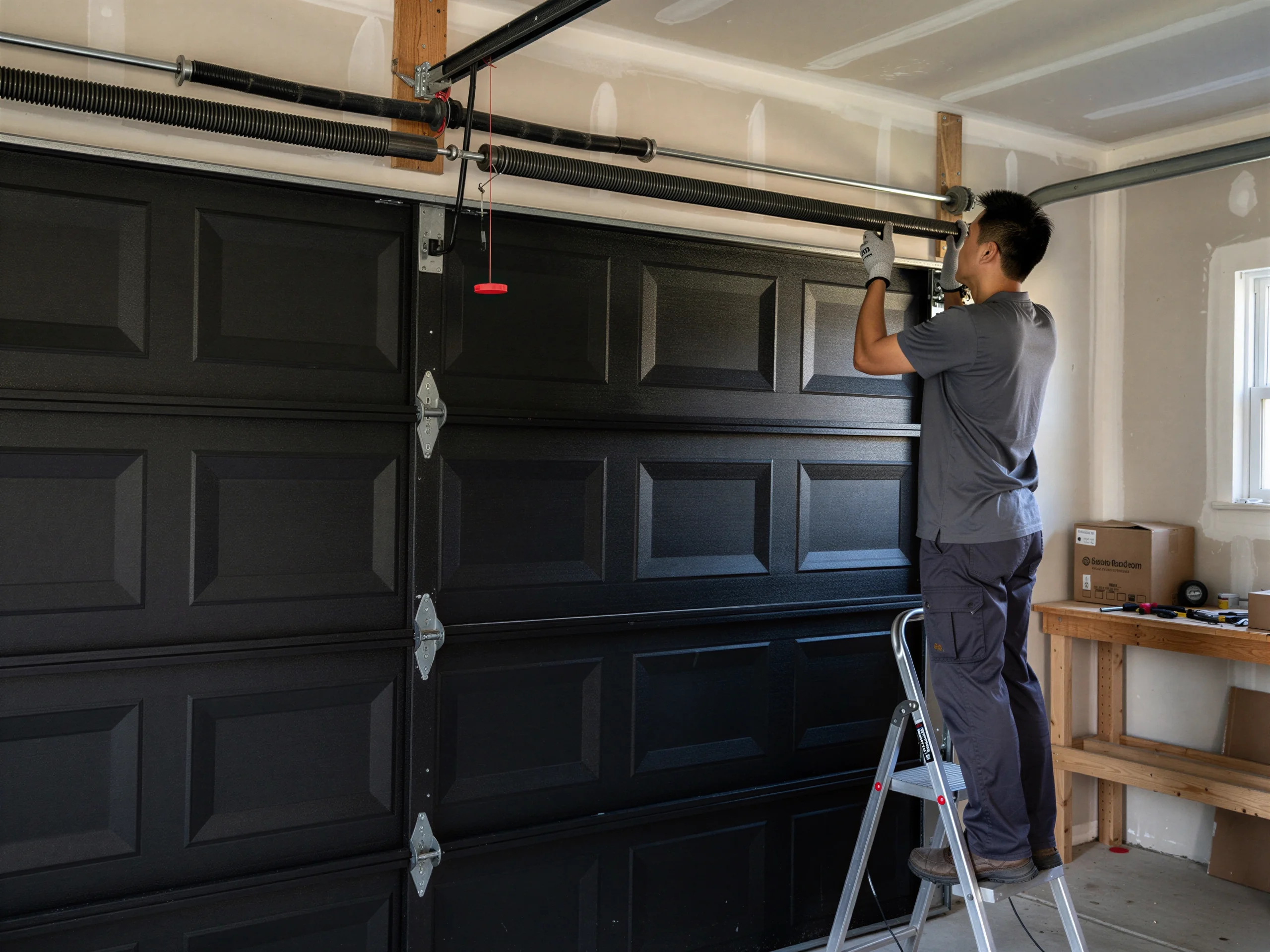
The complication in Fair Oaks isn't the opener itself - it's what's attached to it. On houses built around 1970, the opener is frequently bolted to a header that's also carrying an undersized torsion spring original to the door, and the two failures mask each other. A weak spring makes the opener work harder than it should, which wears the gear faster, which looks like an opener problem until we put a spring gauge on it and find the real cause.
We won't replace an opener and send you a bill for a new motor if the actual fix is a spring adjustment that costs a fraction of that. That's the honest order of operations, even when it means a shorter invoice.
What Is on the Truck
For calls into Fair Oaks we carry logic boards and drive gears sized for the chain-drive units common to 1970-era houses, plus photo-eye sensor kits built for retrofit mounting rather than factory-spec brackets.
Springs rated for swings
We stock torsion springs rated for cold-moderate climate swings, since temperature cycling is part of what fatigues old springs and belts out here.
Confirm brand when booking
What we don't carry on every run is a part for a opener brand we haven't confirmed in advance - which is why we ask about make and drive type when you book.
How We Fix It
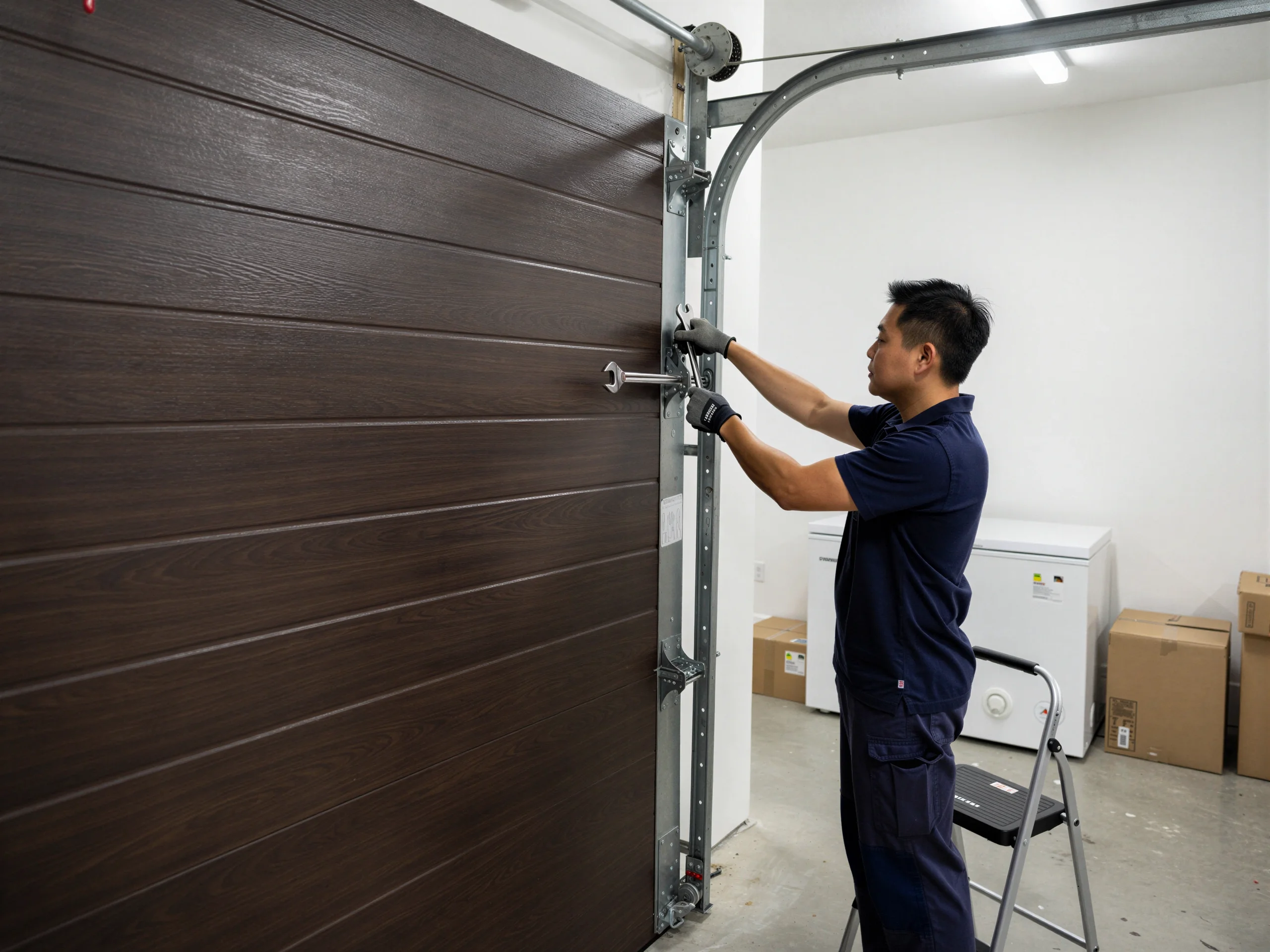
First we isolate opener from door: hand-operate the door disconnected from the opener to confirm the track, rollers, and spring are carrying weight properly on their own. Only once that's clean do we diagnose the opener itself - testing the logic board, the drive gear, and the sensor alignment in that order, since a misaligned sensor is the cheapest fix and the one most often mistaken for a dead board.
If the unit's original to the house, we'll tell you plainly whether a repair makes sense or whether, at 50-plus years old, replacement is the better math. We don't push a new opener on a unit that still has life in it, and we don't chase a repair on one that doesn't.
Talk to a local pro
Garage door service in Dallas?
Same-day service with honest, upfront quotes.